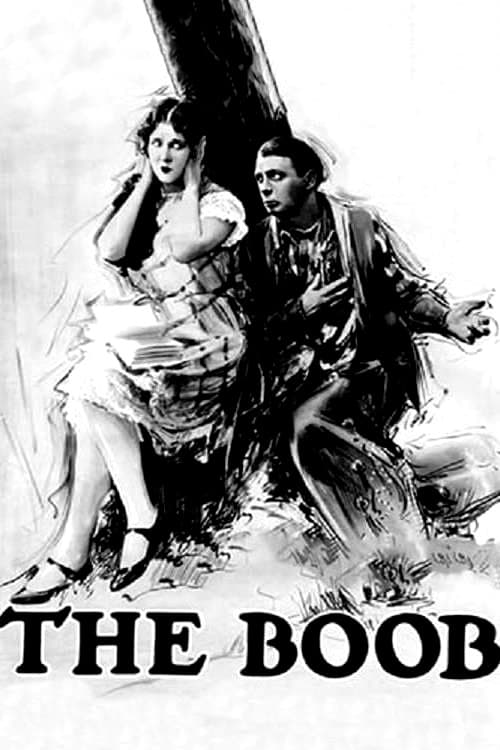
The Boob
1926
No user ratings available yet
Diversity score: 2.2 out of 10
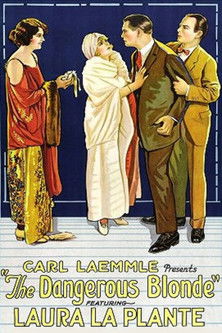
1924
PassedDirector
Robert F. Hill
Runtime
50 minutes
Average Rating
No ratings yetSynopsis
Colonel Faraday asks his daughter, Diana, to recover some letters he wrote to Yvette, an adventuress, when she tries to blackmail him.
Overall Score
Minimal
Category Breakdown
LGBTQ+ Representation
The film lacks any representation of non-cisnormative identities. The plot focuses entirely on traditional romantic and adversarial dynamics.
Gender Representation
While women like Diana and Yvette are central to the plot, they operate within restrictive tropes. Diana performs tasks for a patriarchal figure, and Yvette is framed as a blackmailing antagonist.
Racial & Ethnic Diversity
The film appears to follow the homogeneous casting standards of early Hollywood. There is no evidence of racial blending or non-Anglo-Saxon majority casting.
Religious & Cultural Diversity
The narrative operates within a traditional Western framework. It reinforces social order through characters like Colonel Faraday rather than critiquing systemic institutions.
Disability Representation
There is no indication of characters with visible or invisible disabilities. The story focuses on interpersonal conflict and familial duty.
Strengths
Areas for Improvement
AI Analysis
The Dangerous Blonde is a product of 1920s cinematic conventions, prioritizing genre-standard comedy and romance over social complexity. The narrative relies on established archetypes, such as the military officer and the adventuress, which reinforce existing social hierarchies rather than challenging them. Representation is minimal and follows the era's typical lack of intersectional depth. The film centers on a patriarchal structure where female characters are defined by their relationships to men or their roles as antagonists.
1926
1941

1932
1926
1928
1931
1931
1926
1923

1926
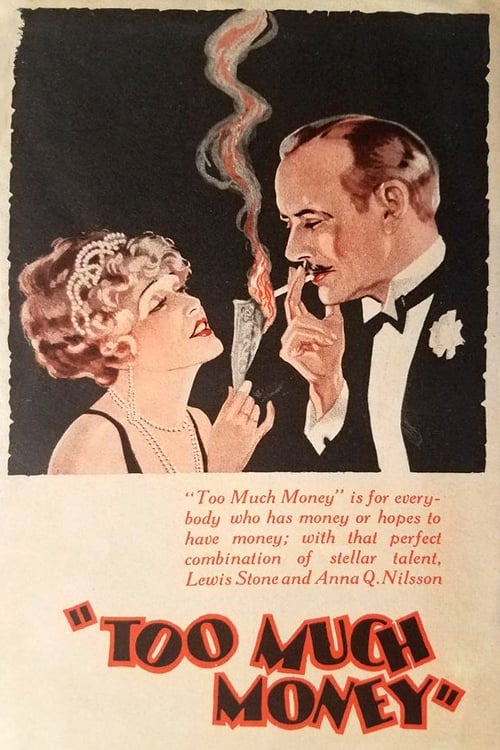
1926
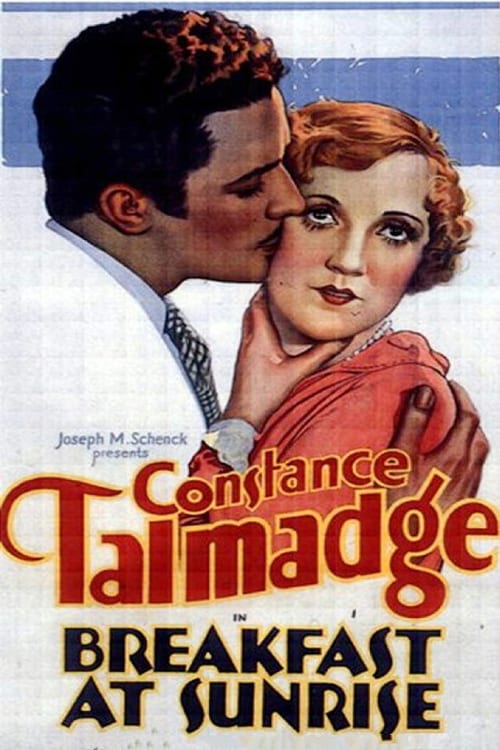
1927
No reviews yet. Be the first to share your thoughts on this movie!
Use the rating form above to leave a star rating and optional review.