The Cardboard Lover
1928
No user ratings available yet
Representation score: 2.3 out of 10
Representation Score
Minimal
1926
PassedDirector
Robert Z. Leonard
Runtime
70 minutes
Average Rating
No ratings yetNew Showbiz Analysis
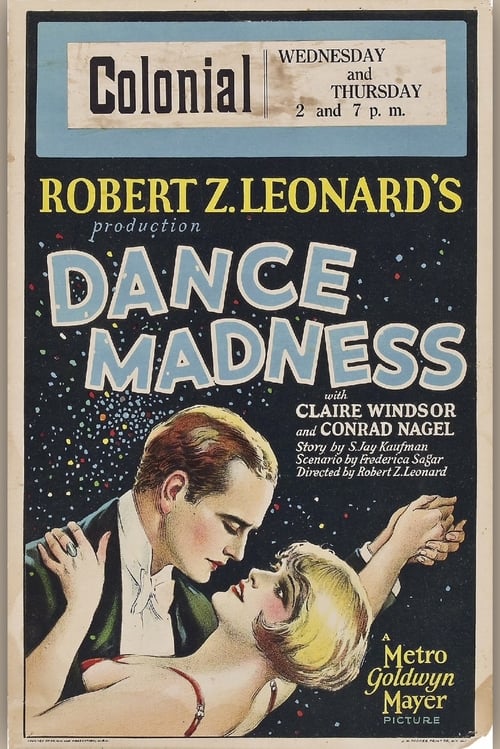
Dance Madness is a period-typical romantic comedy that adheres to the social and narrative frameworks of the silent film era. It utilizes a conventional 'test of fidelity' cliché common in 1920s melodrama. The film lacks complexity in representing multiple aspects of identity or systemic issues. Instead, it focuses on interpersonal dynamics and social spectacle, reflecting the prevailing norms of the studio system during its production. Ultimately, the work functions as a standard genre piece of its time, prioritizing traditional marital conflicts and social excess over diverse or subversive representation.
Category Breakdown
The film focuses solely on a heterosexual marriage conflict. There are no visible queer narratives or non-straight identities present in the plot.
The story centers on a wife managing her volatile husband through a masquerade. While the female lead shows significant influence, the conflict relies on traditional gender clichés.
The film appears to follow the homogeneous casting patterns typical of 1920s Hollywood. There is no evidence of diverse racial or ethnic representation.
The narrative engages with Jazz Age social mores and alcoholism through a comedic lens. It does not offer critiques of Western institutions or secularism.
The plot contains no evidence of characters with visible or invisible disabilities being integrated into the story.
Present on Screen
Limited or Absent
Official Synopsis
May s married to Roger, an alcoholic hell-raiser. During one of their riotous parties, she tests his fidelity by impersonating a notorious masked dancer and trying to seduce him.
1928
1926
1926
1937
1928
1938
1932
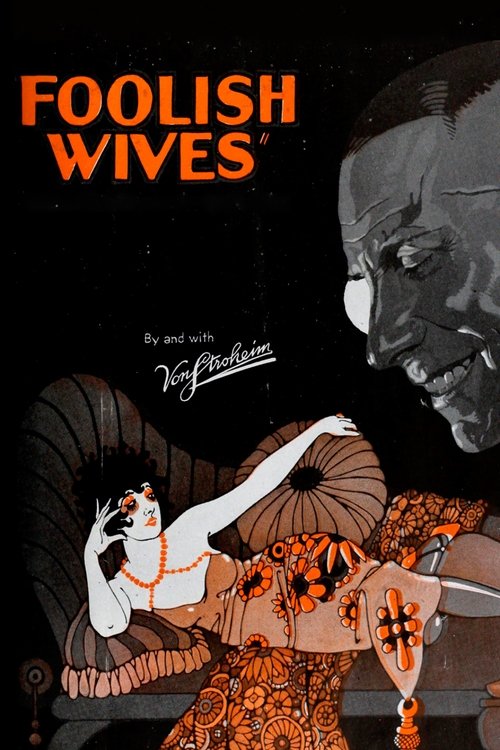
1922
No reviews yet. Be the first to share your thoughts on this movie!
Use the rating form above to leave a star rating and optional review.