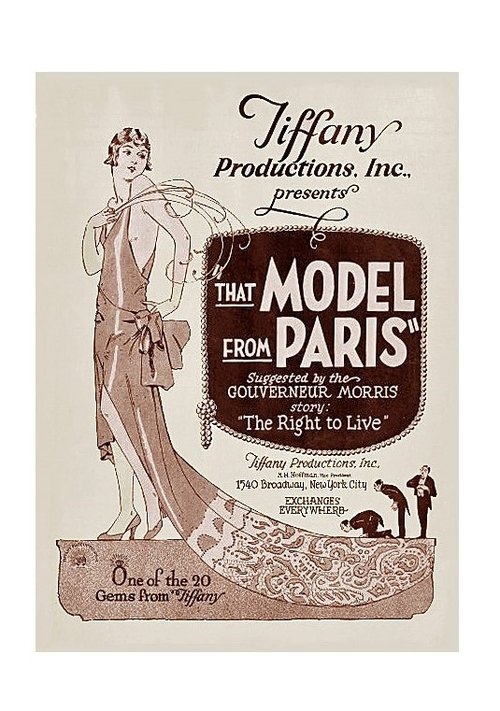
That Model from Paris
1926
No user ratings available yet
Representation score: 2.1 out of 10
Representation Score
Minimal
1923
PassedDirector
Edward LeSaint
Runtime
58 minutes
Average Rating
No ratings yetNew Showbiz Analysis
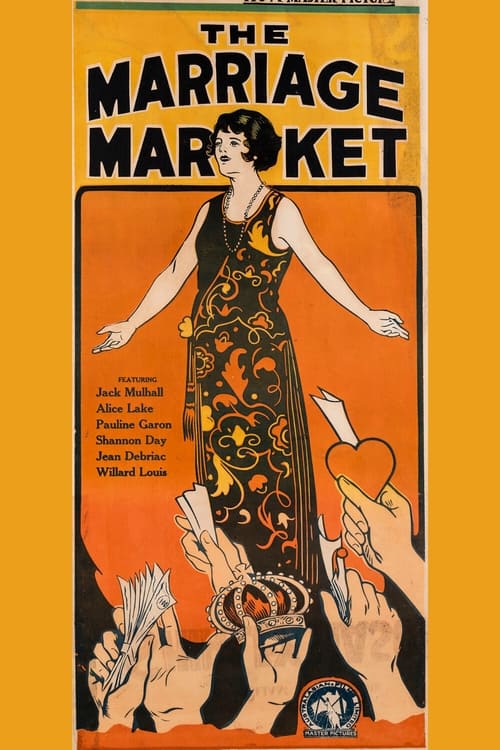
The Marriage Market is a typical product of the 1920s, following the conventions of romantic comedies from that era. It prioritizes heterosexual relationships and the social hierarchy of its time. While the flapper character suggests a hint of social change, the plot remains firmly rooted in traditional matrimonial outcomes and Western social norms. Overall, the film reflects the homogeneous and conservative social landscape of the early 20th century, focusing on status and romance rather than diverse perspectives.
Category Breakdown
The film focuses on heterosexual relationships and romantic adventures. There are no depictions of same-sex relationships or non-traditional gender identities.
The story revolves around a wealthy flapper, a symbol of growing female independence. However, her influence is primarily directed towards achieving a successful marriage.
The setting highlights upper-class, predominantly white social circles. The film reflects the social structures of the early 1920s, emphasizing a homogeneous society.
The narrative celebrates traditional Western social customs and class-based institutions. It emphasizes the importance of social standing and traditional romantic milestones.
There is no mention of characters with visible or invisible disabilities.
Present on Screen
Limited or Absent
Official Synopsis
The story of a wealthy young flapper, Theodora Bland (Pauline Garon), and the amorous adventures and misadventures she has after being expelled from a fashionable and costly east-coast boarding school.
1926
1934
1920
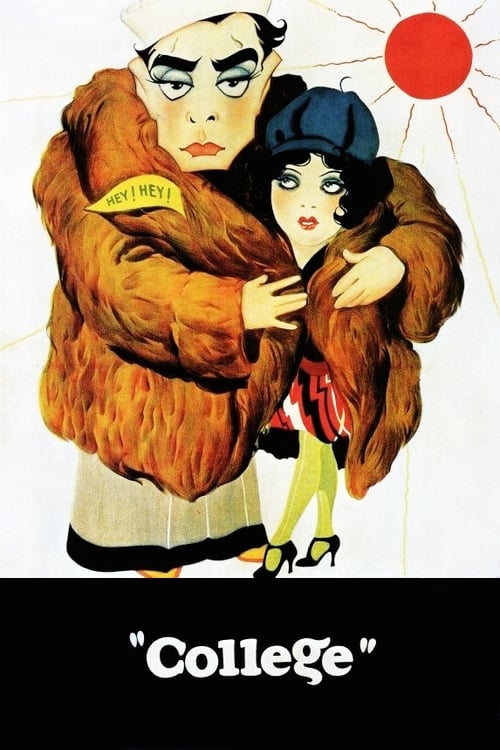
1927
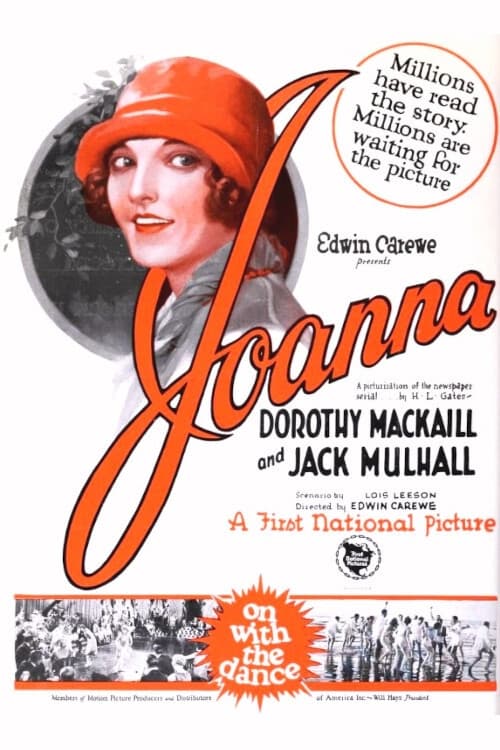
1925

1924
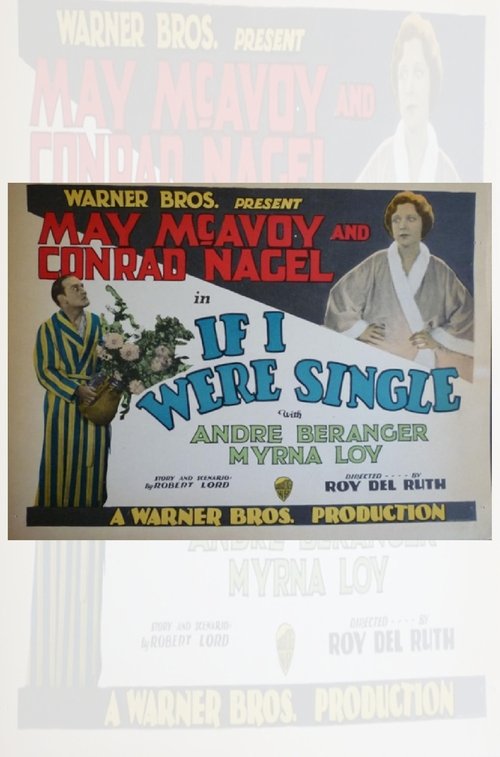
1927
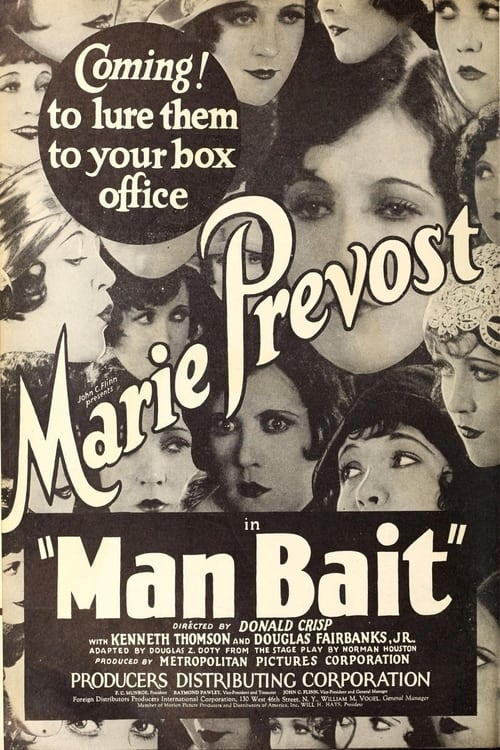
1927
No reviews yet. Be the first to share your thoughts on this movie!
Use the rating form above to leave a star rating and optional review.