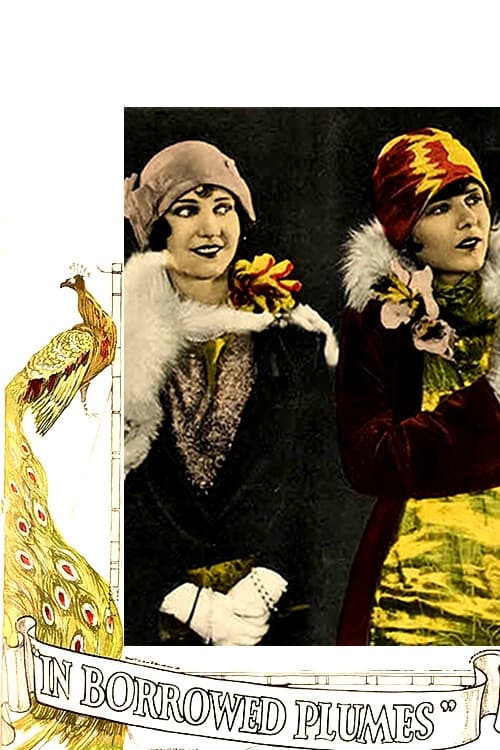
In Borrowed Plumes
1926
No user ratings available yet
Representation score: 1.1 out of 10
Representation Score
Minimal
1926
PassedDirector
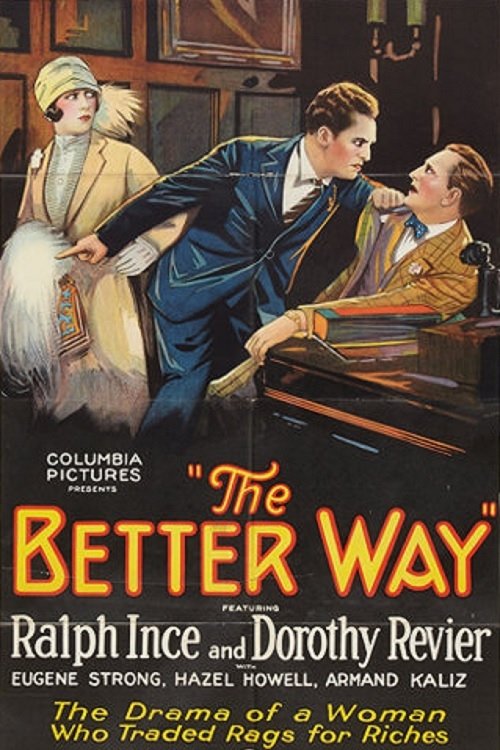
Ralph Ince
Runtime
58 minutes
Average Rating
No ratings yetNew Showbiz Analysis
The Better Way is a silent-era romantic comedy that appears to align with the conventional cinematic standards of 1926. The film likely reinforces the social and demographic hierarchies typical of the period rather than disrupting them. Because the film operates within the studio system of its time, it follows traditional storytelling clichés. The lack of documented subversion suggests a reliance on the era's standard social norms. Ultimately, the film serves as a product of its historical context, offering little evidence of diverse character perspectives.
Category Breakdown
The film does not include any characters with non-straight sexual orientations or non-cisgender identities. There are no narratives that question the assumption that everyone is straight or cisgender.
As a 1926 romantic comedy, the film likely adheres to the gendered expectations of the time. There is no evidence of women playing a significant role in driving the story or challenging traditional gender hierarchies.
The production likely reflects the homogeneous casting standards of the early 20th century. No characters of color with a significant role in driving the story are documented.
The narrative appears to focus on traditional romantic or social resolutions. It lacks themes that would challenge the prevailing cultural values of the 1920s.
There is no information regarding the inclusion of characters with visible or invisible disabilities.
Present on Screen
Limited or Absent
Official Synopsis
Directed by Ralph Ince. With Dorothy Revier, Ralph Ince, Eugene Strong, Armand Kaliz.
1926
1926
1926
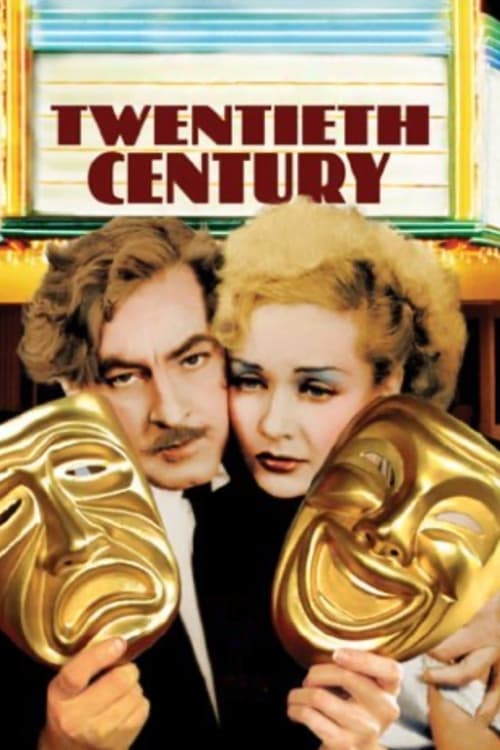
1934
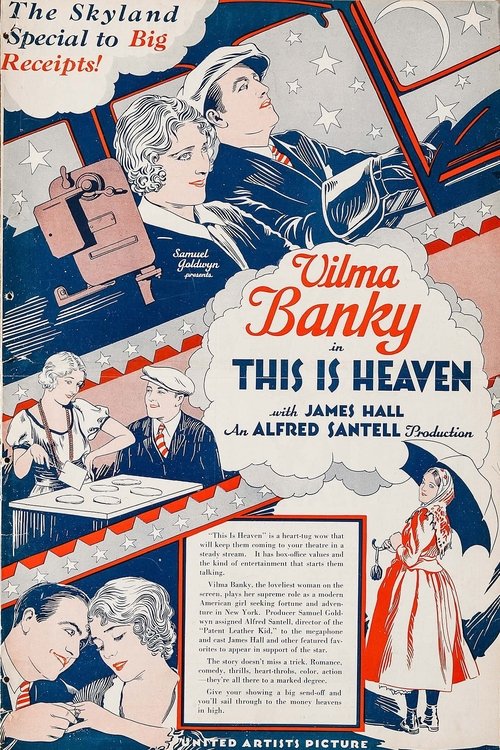
1929

1928
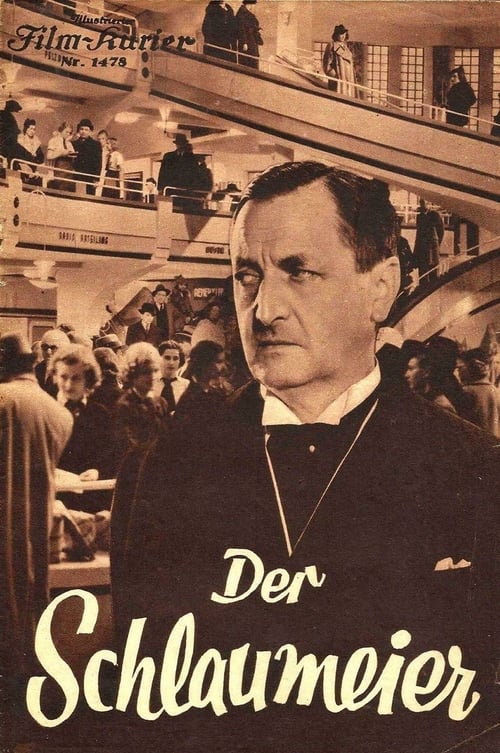
1936
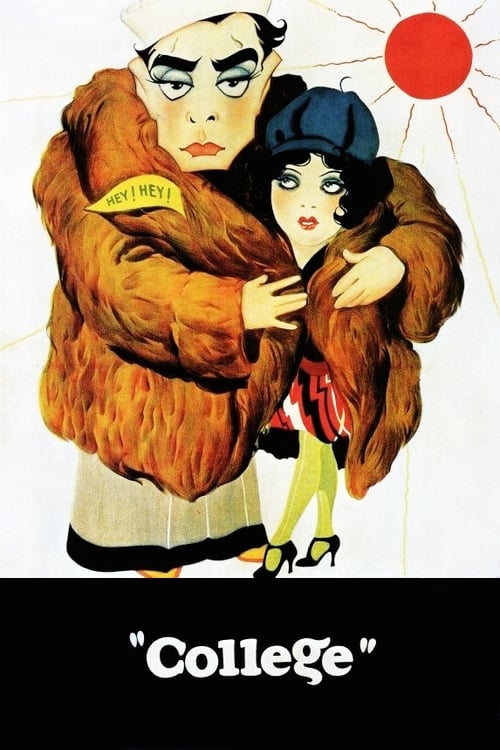
1927
No reviews yet. Be the first to share your thoughts on this movie!
Use the rating form above to leave a star rating and optional review.