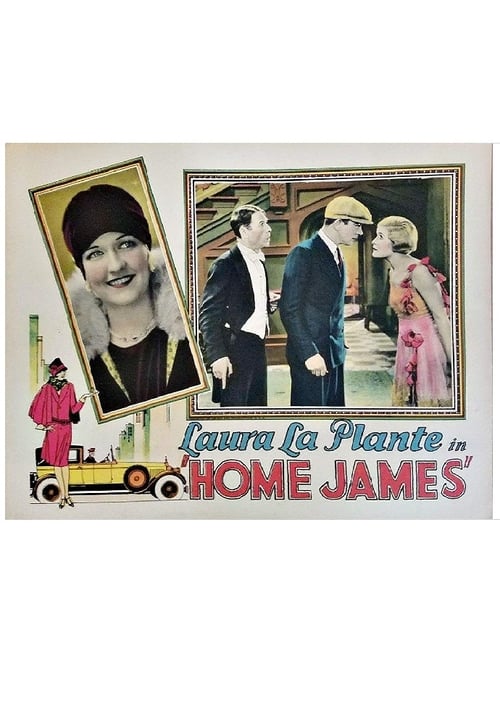
Home, James
1928
No user ratings available yet
Representation score: 0.6 out of 10
Representation Score
Minimal
1927
PassedDirector
Malcolm St. Clair
Runtime
62 minutes
Average Rating
No ratings yetNew Showbiz Analysis
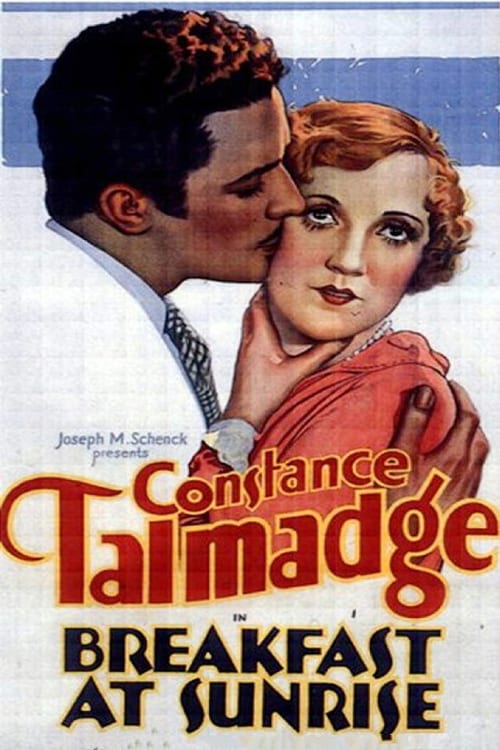
Breakfast at Sunrise is a conventional silent-era romantic comedy that relies heavily on established genre clichés. The plot centers on the 'opposites attract' dynamic, using the class divide between Madeleine and Pierre to drive the romantic tension. While the film offers some character's ability to drive the story through its central plotting, it functions primarily as a standard piece of 1920s cinema. It adheres to the social hierarchies and casting norms of its time rather than challenging them. Ultimately, the film lacks the narrative complexity needed to disrupt conventional expectations regarding identity, gender, or class, making it a product of its specific historical era.
Category Breakdown
The film follows a traditional romantic structure focused on a heterosexual relationship. There is no indication of LGBTQ+ identities or narratives that question the assumption that everyone is straight or cisgender.
The narrative uses traditional gender roles typical of the 1920s. Madeleine takes control through her plotting, but the story's framework remains rooted in standard romantic pursuits.
The film likely reflects the homogeneous casting standards of 1927 Hollywood. There is no indication of casting actors with diverse backgrounds or race-bending casting.
The story focuses on the class disparity between the wealthy and the poor. It prioritizes romantic union over any critique of social or capitalist structures.
There is no mention of characters with visible or invisible disabilities in the narrative or historical record.
Present on Screen
Limited or Absent
Official Synopsis
While plotting together to win back their lovers, the rich Madeleine and the penniless Pierre fall for each other.
1928

1938
1926

1937
1932

1934
1928

1928
No reviews yet. Be the first to share your thoughts on this movie!
Use the rating form above to leave a star rating and optional review.