
Death Day
1934
No user ratings available yet
Representation score: 5.7 out of 10
Representation Score
Fair
1932
Not RatedDirector
Sergei Eisenstein
Runtime
88 minutes
Average Rating
No ratings yetNew Showbiz Analysis
Eisenstein’s project serves as a vital historical artifact that centers a non-Western culture through a sophisticated cinematic lens. By focusing on the textures and rituals of Mexico, the work actively challenges the Eurocentric perspectives dominant in 1930s global cinema. The film's strength lies in its intentionality to elevate indigenous and mestizo experiences. The planned focus on 'Soldaderas' suggests a desire to portray women as active participants in social upheaval rather than passive figures. However, the unfinished nature of the footage prevents a full assessment of character portrayal. Without a cohesive edit, the depth of individual portrayals remains tied to ethnographic observation rather than fully realized narrative arcs.
Category Breakdown
The unedited footage does not include any documented LGBTQ+ characters or narratives. The documentary focuses on ethnographic and cultural observation rather than identity-based character arcs.
The planned 'Soldadera' segment highlights female combatants and participants in the Mexican Revolution. This disrupts passive domestic depictions, though the lack of a completed edit limits the depth of character portrayal.
The film centers indigenous and mestizo experiences, providing a powerful counter-narrative to Eurocentric cinema. It celebrates Mexican identity by shifting the lens away from Western-centric norms.
The work uses an anti-colonial framework to document local traditions and social upheaval. It prioritizes the visceral reality of the Mexican landscape over Western-imposed order.
There is no evidence that neurodivergence or physical disabilities are central themes. The ethnographic study does not intentionally represent these specific identities.
Present on Screen
Limited or Absent
Official Synopsis
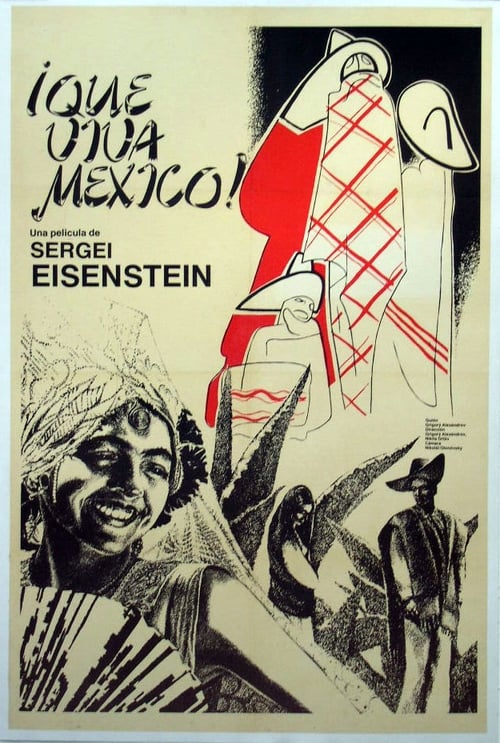
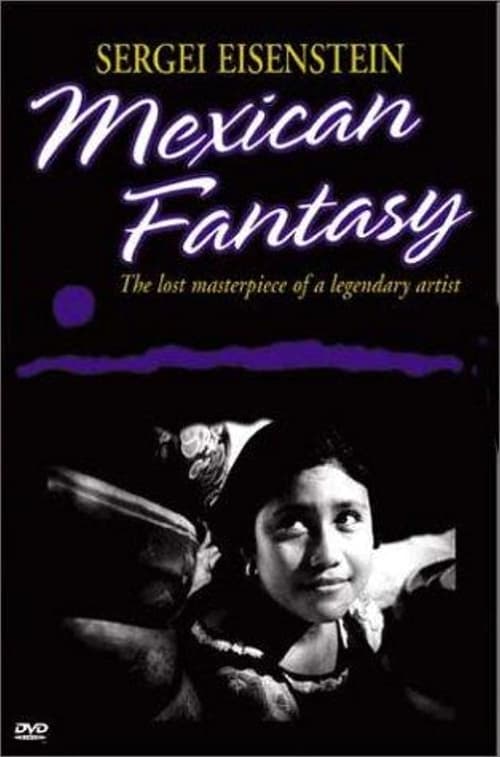
Unedited film that Sergei Eisenstein, Grigoriy Aleksandrov and Eduard Tisse shot in Mexico 1931-32. This record only represents the 200,000-plus feet of unedited film that Sergei Eisenstein, Grigoriy Aleksandrov and Eduard Tisse shot in Mexico 1931/32 for Mary and Upton Sinclair and three American co-financiers. It was Eisenstein's vision to end up with movie about Mexico in six parts called "Calavera", "Sandunga", "Maguey", "Fiesta", "Soldadera", and "Epilogue". The project was canceled before it was completed due to cost overruns and months-delayed completion, and the producers refused to let Eisenstein attempt to edit anything from the material he had finished after Iosif Stalin called him back to the USSR. From this footage the following pictures were subsequently edited by other hands: Thunder Over Mexico (1933), Eisenstein in Mexico (1933), Death Day (1934), Time in the Sun (1940), and Que Viva Mexico (1979).
1934
1938
1998
1935
1931
1979

1934
1922
No reviews yet. Be the first to share your thoughts on this movie!
Use the rating form above to leave a star rating and optional review.