Saura(s)
2017
No user ratings available yet
Representation score: 5.9 out of 10
Representation Score
Limited
2007
Director
João Moreira Salles
Runtime
80 minutes
Average Rating
No ratings yetNew Showbiz Analysis
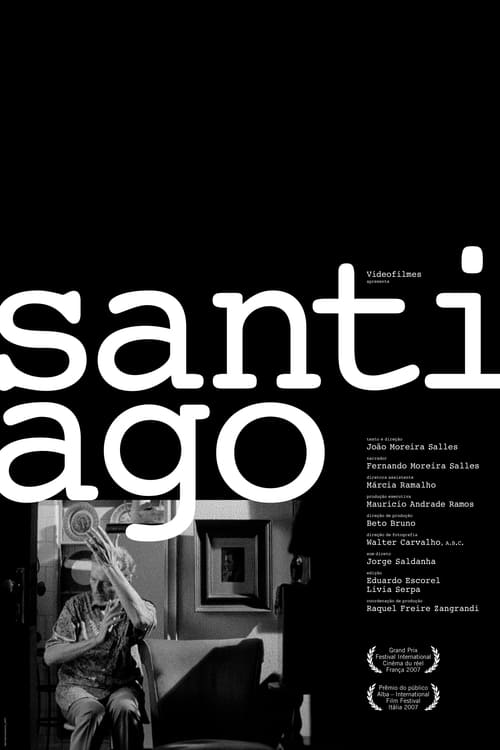
Santiago is a sophisticated documentary that excels at interrogating racial and class-based power dynamics. It uses personal memory to conduct a broader sociological inquiry into the hierarchies of Brazilian society. The film's strength lies in its ability to give a underrepresented subject a complex, central identity. By focusing on a Black domestic worker, it challenges conventional perspectives on social status and the ethics of the gaze. However, the film lacks explicit representation regarding LGBTQ+ identities and women's ability to drive the story. While it critiques class, it does not provide significant gender-specific subversion or diverse gendered perspectives.
Category Breakdown
The film does not include LGBTQ+ characters or explore non-straight relationships. The narrative instead focuses on memory, class, and the subject's personal history.
The documentary centers on the relationship between the director and a male domestic worker. It avoids reinforcing traditional male dominance by highlighting the subject's vulnerability and inner life.
By centering on Santiago, a Black man, the film explores racial and class dynamics in Brazil. It challenges traditional historical narratives by examining post-colonial legacies through the lens of domestic work.
The film critiques class privilege and systemic structures in Brazilian society. It uses the filmmaker's self-reflection to examine the ethics of observation and socioeconomic disparities in domestic service.
There are no prominent depictions of physical or neurodivergent disabilities that drive the narrative or serve as central character traits.
Present on Screen
Limited or Absent
Official Synopsis
Documentary about Santiago, a peculiar man who used to work for the director and his parents as a butler. The material was filmed in 1992 but, for some strange reason, the director felt he couldn't edit it and put it aside. In 2005 he remembers the unfinished film and starts its edition.
2017
2003
2007

2018
1991
2015
2018
2009
No reviews yet. Be the first to share your thoughts on this movie!
Use the rating form above to leave a star rating and optional review.