The White Match
1968
No user ratings available yet
Diversity score: 6.9 out of 10
1973
Director
Raymundo Gleyzer
Runtime
65 minutes
Average Rating
No ratings yetSynopsis
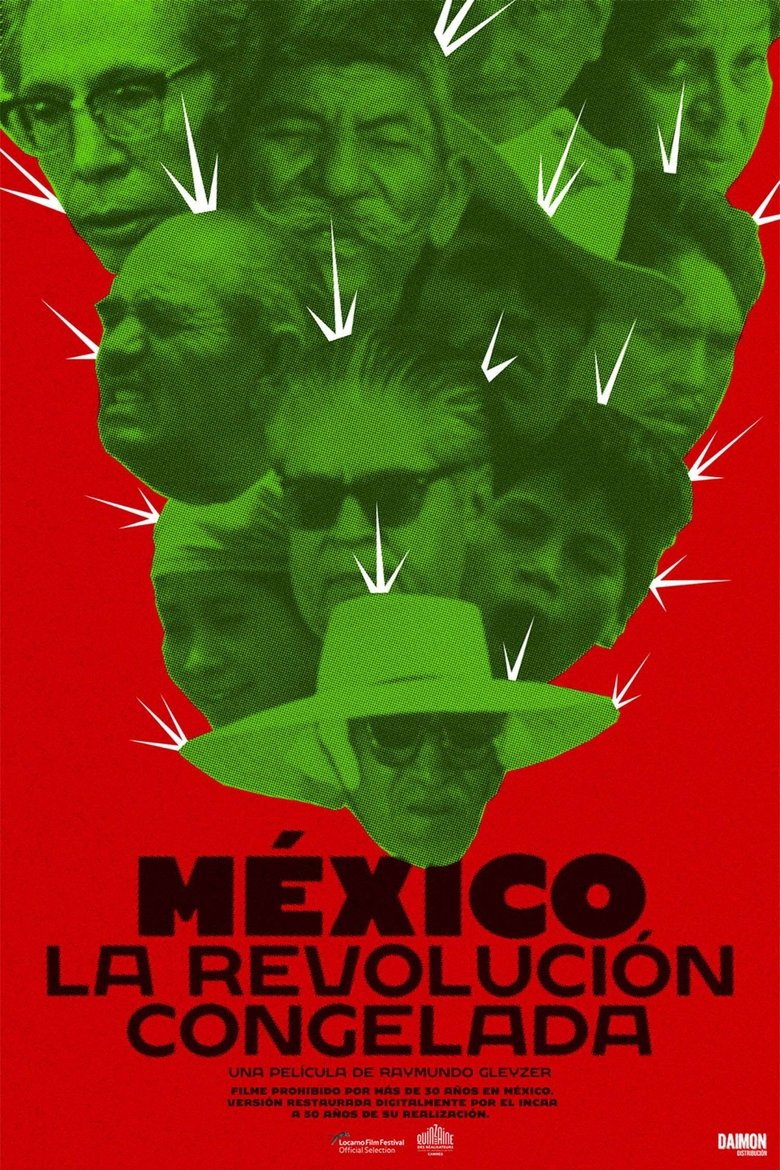
A thorough analysis of the socio-politics of Mexico, within the historical context of the Mexican Revolution reality. Includes footage from the 1910s, interviews with farmers, politicians, intellectuals, middle class, union, etc, as well as scenes from the life of an Indian family in Chiapas, their religious rituals, their crops, trials and bilingual schools. The film ends with the slaughter in the Plaza de Tlatelolco in 1968, during the infamous Olympics.
Overall Score
Good
Category Breakdown
LGBTQ+ Representation
The film lacks explicit evidence of LGBTQ+ character arcs or non-cisnormative identities. It focuses primarily on class, ethnicity, and political struggle rather than sexual orientation.
Gender Representation
The documentary moves beyond domestic hierarchies by centering the socio-political agency of the working class and rural families. It disrupts traditional tropes by highlighting collective agency against state structures.
Racial & Ethnic Diversity
The film provides exceptional representation by centering indigenous experiences in Chiapas. It integrates rituals and bilingual education into a critique of the Mexican Revolution, granting high agency to ethnic minorities.
Religious & Cultural Diversity
By focusing on religious rituals and indigenous life, the film prioritizes localized truths over state-sanctioned morality. It uses an anti-establishment framework to critique the frozen nature of revolutionary progress.
Disability Representation
There is no documented evidence regarding the portrayal of physical or neurodivergent disabilities within the film's narrative.
Strengths
Areas for Improvement
AI Analysis
Raymundo Gleyzer’s documentary serves as a powerful social critique that disrupts conventional historical narratives. Its primary strength is the intentional centering of marginalized voices, particularly through the lens of indigenous life in Chiapas. By weaving together rituals, bilingual schooling, and labor, the film challenges the centralized, mestizo-centric history of Mexico. The film effectively uses the 1968 Tlatelolco massacre to frame state institutions as oppressive forces. This perspective shifts the narrative from state-sanctioned progress to a critique of systemic failure and unfulfilled revolutionary promises. While the film excels in racial and cultural depth, it offers little visibility regarding LGBTQ+ identities or disability representation. The focus remains strictly on the intersection of class, ethnicity, and political struggle.
1968
1966
1972
1968
2012
1980
1982
1969
2014
1963
1969
2011
No reviews yet. Be the first to share your thoughts on this movie!
Use the rating form above to leave a star rating and optional review.