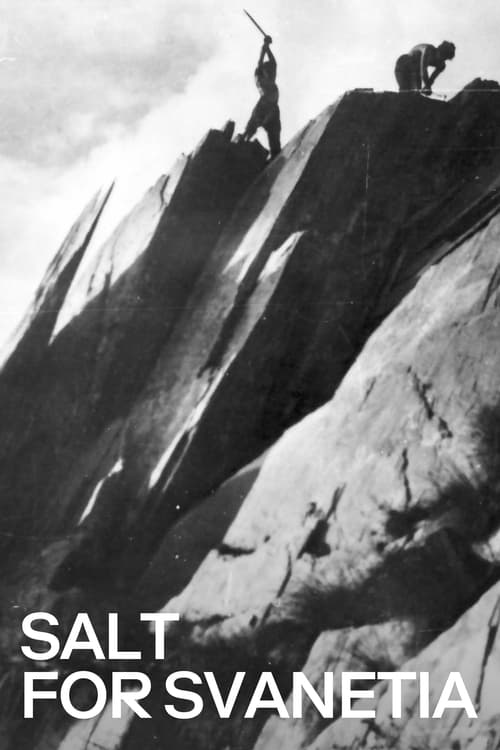
Salt for Svanetia
1930
No user ratings available yet
Diversity score: 5.5 out of 10

1939
Director
Yuliya Solntseva
Runtime
30 minutes
Average Rating
No ratings yetSynopsis
Dovzhenko and Solntseva's documentary about the Bukovina region.
Overall Score
Fair
Category Breakdown
LGBTQ+ Representation
The film lacks any evidence of LGBTQ+ characters or narratives. It functions as a regional ethnographic study rather than a character-driven exploration of non-heteronormative identities.
Gender Representation
The documentary likely focuses on traditional agrarian life typical of 1939. However, Yuliya Solntseva’s role as co-director provides significant female agency within the film's creative architecture.
Racial & Ethnic Diversity
The work offers a profound exploration of ethnic identity by centering the Ukrainian experience. It prioritizes a non-Anglo-Saxon perspective through the documentation of local cultural nuances.
Religious & Cultural Diversity
The film disrupts Western-centric narratives by elevating the specific social realities of the Bukovina region. It emphasizes communal importance and the relationship between the people and their land.
Disability Representation
There is no verifiable evidence that disability serves as a central thematic element. The ethnographic focus does not appear to feature disability as a primary subject.
Strengths
Areas for Improvement
AI Analysis
Bukovyna, Ukrainian Land is a vital piece of ethnographic cinema that excels in its cultural and ethnic specificity. By centering the Ukrainian experience, it provides a necessary counter-narrative to dominant imperial histories and Western-centric perspectives. While the film succeeds in cultural preservation, it is constrained by the social structures of 1939. The lack of LGBTQ+ visibility and the focus on traditional agrarian roles limit its representation of gender and identity diversity. Ultimately, the film's strength lies in its ability to document a specific regional identity, making it a significant work for understanding localized social and cultural landscapes.
1930
1969
1929

2005
2011

1933
1955

2022
1934
1943
1955
1926
No reviews yet. Be the first to share your thoughts on this movie!
Use the rating form above to leave a star rating and optional review.