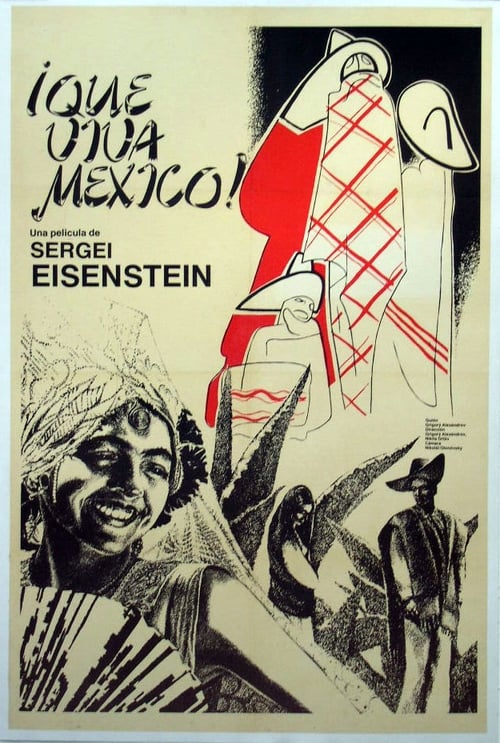
Hurray Mexico!
1932
No user ratings available yet
Representation score: 4.4 out of 10

Representation Score
Fair
1934
Director
Sergei Eisenstein
Runtime
17 minutes
Average Rating
No ratings yetNew Showbiz Analysis
Eisenstein’s documentary serves as a vital ethnographic disruption of the 1930s cinematic landscape. By centering Mexican cultural rituals, the film challenges the era's prevailing Eurocentric standards and provides a platform for non-Western traditions to take center stage. While the film excels in racial and cultural representation, it lacks the scripted character arcs found in narrative cinema. It functions more as a sociological observation of existing traditions rather than a vehicle for specific identity-driven stories. Ultimately, the work's strength lies in its refusal to center Western social structures, offering a pluralistic view of human experience through the lens of communal ritual.
Category Breakdown
The film focuses on communal ritual and religious tradition without showing any specific LGBTQ+ character arcs or non-cisgender identities.
It highlights traditional communal roles within Mexican celebrations and offers a glimpse into women's lived experiences without challenging existing gender hierarchies.
This ethnographic study centers Mexican culture and indigenous traditions, disrupting 1930s Eurocentric cinematic norms by giving prominence to non-Western subjects.
The film examines mortality and spirituality through a non-Christian, localized lens, prioritizing communal ritual over individualistic Western moral frameworks.
There is no specific evidence regarding the portrayal of individuals with disabilities in this work.
Present on Screen
Limited or Absent
Official Synopsis
During his adventure in Mexico, Sergei Eisenstein made footage of a Mexican "Death Day" celebration for inclusion in his "Que Viva Mexico!" film project. When the 200,000-plus feet of film he eventually exposed in Mexico was first attempted to be made into a feature film, "Thunder Over Mexico", the producers excluded the Death Day material for subsequent compilation as an independent short subject. Silent with music track and explanatory English intertitles.
1932

1927
1931
1935
1998
1979
1934
1896
No reviews yet. Be the first to share your thoughts on this movie!
Use the rating form above to leave a star rating and optional review.