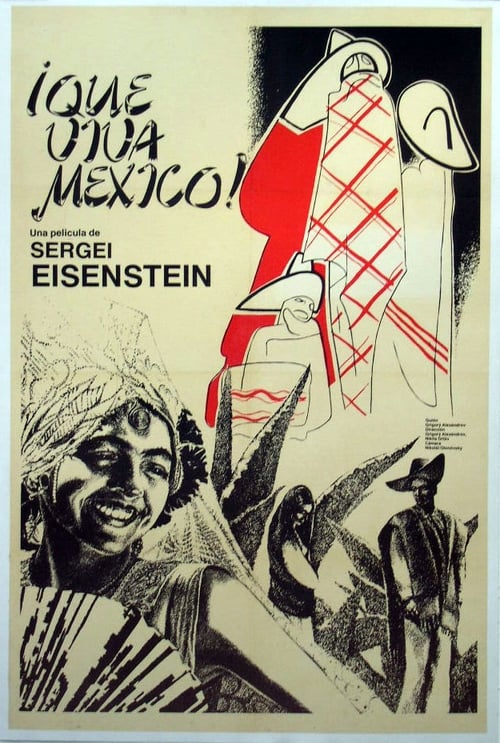
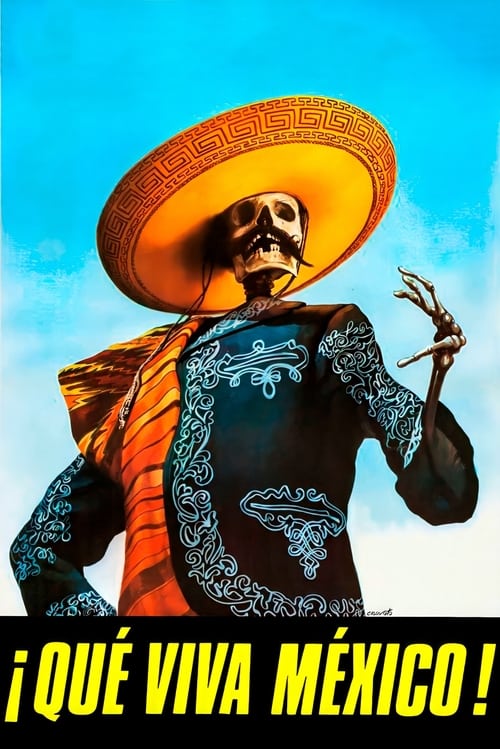
Hurray Mexico!
1932
No user ratings available yet
Representation score: 4.4 out of 10
Representation Score
Limited
1979
Not RatedDirector
Sergei Eisenstein
Runtime
85 minutes
Average Rating
No ratings yetNew Showbiz Analysis
¡Qué Viva México! stands out as a deconstruction of colonial narratives. By focusing on the Mexican experience and its evolution into modernity, the film provides a significant role in driving the story to non-Western subjects and disrupts Eurocentric cinematic perspectives. However, its broad societal focus results in a lack of representation for individual identity issues, particularly LGBTQ+ and disability narratives. While the film is a powerful cultural document, its emphasis on traditional masculine archetypes in historical leadership roles limits its gender diversity score.
Category Breakdown
The film does not include any LGBTQ+ characters or stories. Instead, it focuses on large-scale societal changes and historical movements rather than individual identity issues.
The narrative emphasizes historical momentum and collective struggle. This focus often centers around traditional masculine archetypes of leadership and strength.
The film offers a deep exploration of Mexican identity. It challenges Anglo-centric views by highlighting indigenous culture and the historical struggles of the Mexican people.
The work delves deeply into anti-colonialism and systemic change. It portrays the movement of the masses as a necessary disruption of oppressive historical frameworks.
There are no characters with visible or invisible disabilities mentioned in the project.
Present on Screen
Limited or Absent
Official Synopsis
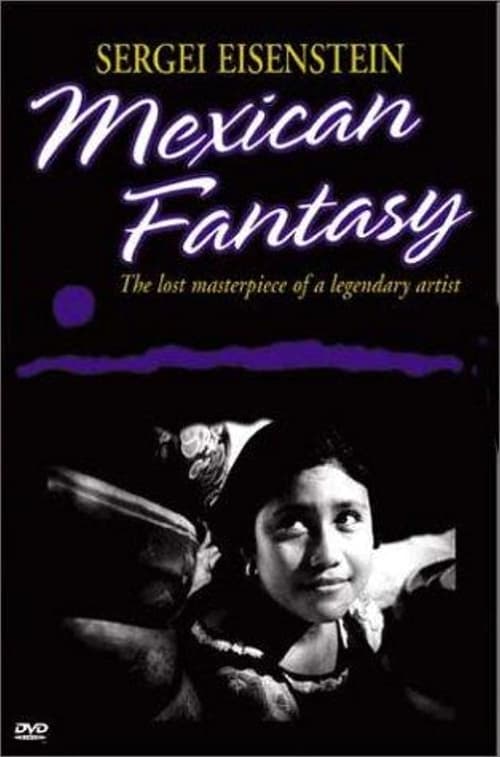
Having revolutionized film editing through such masterworks of montage as Potemkin and Strike, Soviet director Sergei Eisenstein emigrated West in hopes of testing the capabilities of the American film industry. Quickly ostracized from Hollywood, Eisenstein, Grigory Alexandrov, and photographer Eduard Tisse (at the urging of author Upton Sinclair) wandered south of the border, where they began filming a highly stylized documentary about the people and volatile social climate of Mexico. Unfortunately, a lack of funds prohibited the film's completion, and the famed director was unable to edit the film. In 1979, by referring to Eisenstein's extensive notes and sketches, Alexandrov assembled the most definitive version of the film; as close to Eisenstein's vision as one is ever likely to see.
1932
1928
1950

1964
1998

1934

2005
1994
No reviews yet. Be the first to share your thoughts on this movie!
Use the rating form above to leave a star rating and optional review.