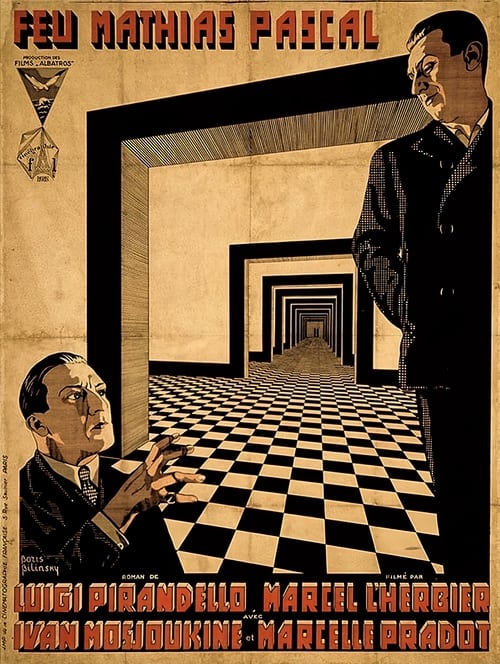
The Late Mathias Pascal
1925
No user ratings available yet
Diversity score: 4.2 out of 10
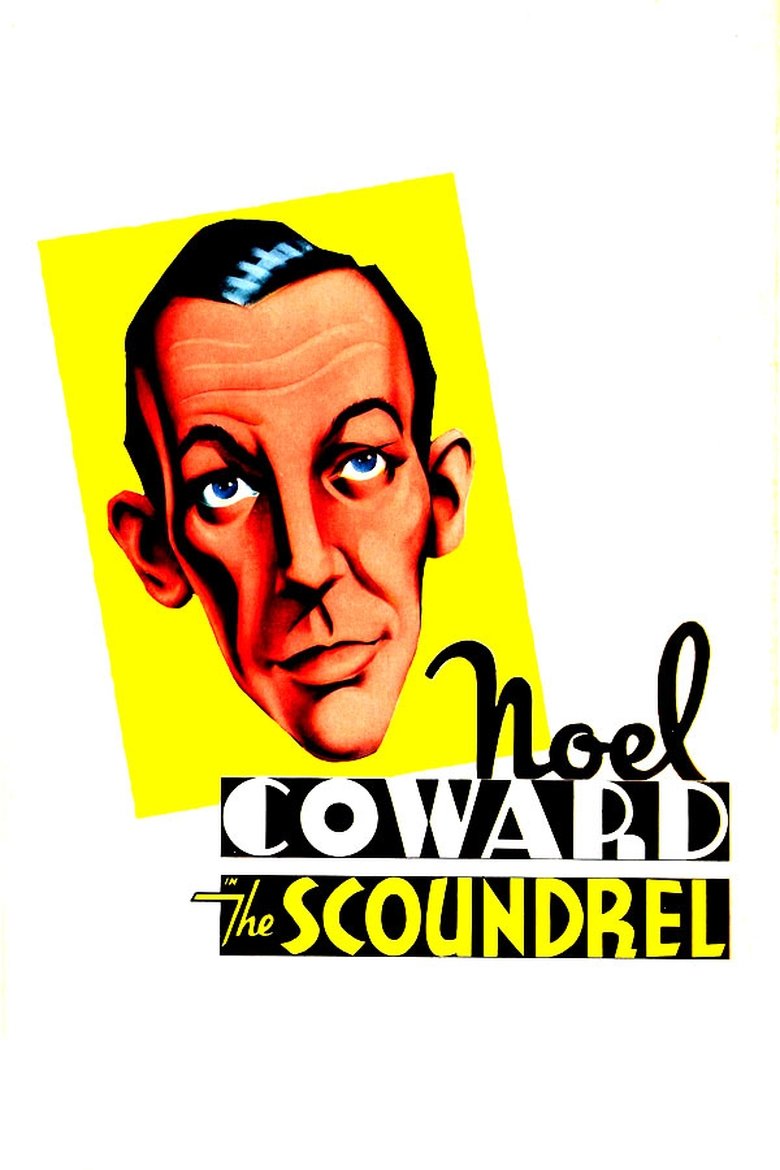
1935
Director
Ben Hecht, Charles MacArthur
Runtime
76 minutes
Average Rating
No ratings yetSynopsis
A ruthless, cynical, hated publisher is killed in a plane crash, doomed to be a "restless" spirit for being unloved. A heavenly power gives him a month on Earth to find one person to shed a tear for him before his fate is sealed.
Overall Score
Limited
Category Breakdown
LGBTQ+ Representation
The film lacks explicit evidence of LGBTQ+ characters or non-heteronormative identities. The narrative focuses almost entirely on the spiritual redemption of a single male protagonist.
Gender Representation
The story centers on a ruthless male publisher, a role defined by patriarchal authority. There is little evidence of female agency within the provided narrative structure.
Racial & Ethnic Diversity
The film provides no indication of a diverse cast or non-Anglo-Saxon characters. It appears to reflect the homogeneous casting standards typical of 1935.
Religious & Cultural Diversity
The narrative disrupts traditional celebrations of capitalist success by focusing on a hated, unloved figure. It explores moral relativism through a struggle against a heavenly power.
Disability Representation
There are no specific details regarding physical, neurodivergent, or mental health representations in the film's description.
Strengths
Areas for Improvement
AI Analysis
The Scoundrel is a character study that prioritizes thematic subversion over demographic variety. While the film challenges the era's glorification of industrial power, it does so through a narrow lens centered on a singular male figure. The narrative architecture suggests a sophisticated engagement with subjective morality and social alienation. However, this intellectual depth does not translate into visible representation for marginalized groups. Ultimately, the film reflects the restrictive social norms of the 1930s, offering psychological complexity while remaining demographically homogeneous.
1925
1930
1956
1955

1933
1935

1929
1930
1932
1929
1930

1936
No reviews yet. Be the first to share your thoughts on this movie!
Use the rating form above to leave a star rating and optional review.