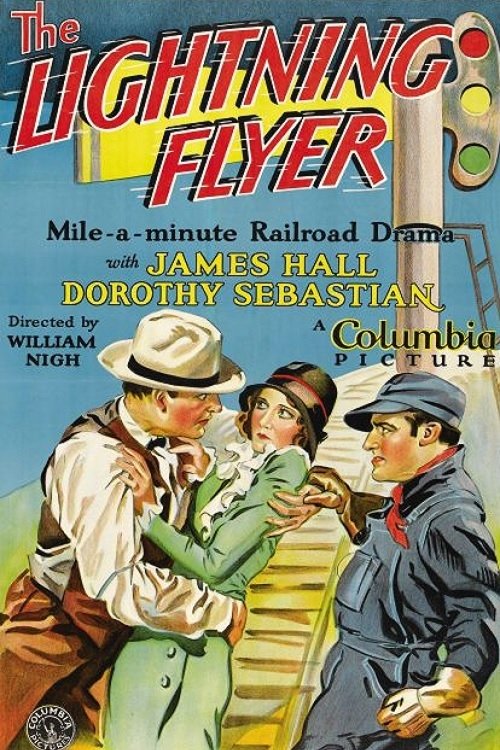
The Lightning Flyer
1931
No user ratings available yet
Diversity score: 2.2 out of 10
1929
PassedDirector
William Nigh
Runtime
86 minutes
Average Rating
No ratings yetSynopsis
A train operator's obsession with being on time leads to tragedy for his family.
Overall Score
Limited
Category Breakdown
LGBTQ+ Representation
The film lacks any evidence of non-heteronormative identities. The narrative focus on a traditional family structure suggests a standard heteronormative framework.
Gender Representation
Agency is concentrated in the male protagonist's professional obsession. The story likely reinforces traditional gender roles by centering the male figure's labor and consequences.
Racial & Ethnic Diversity
The production appears to reflect the homogeneous casting standards typical of 1920s Hollywood. There is no indication of diverse ensemble structures or race-bent casting.
Religious & Cultural Diversity
The drama explores the friction between individual obsession and social duty. It functions as a moralistic tale aligning with traditional values of domestic cohesion.
Disability Representation
There is no information regarding the inclusion of neurodivergent characters or individuals with physical disabilities within the narrative.
Strengths
Areas for Improvement
AI Analysis
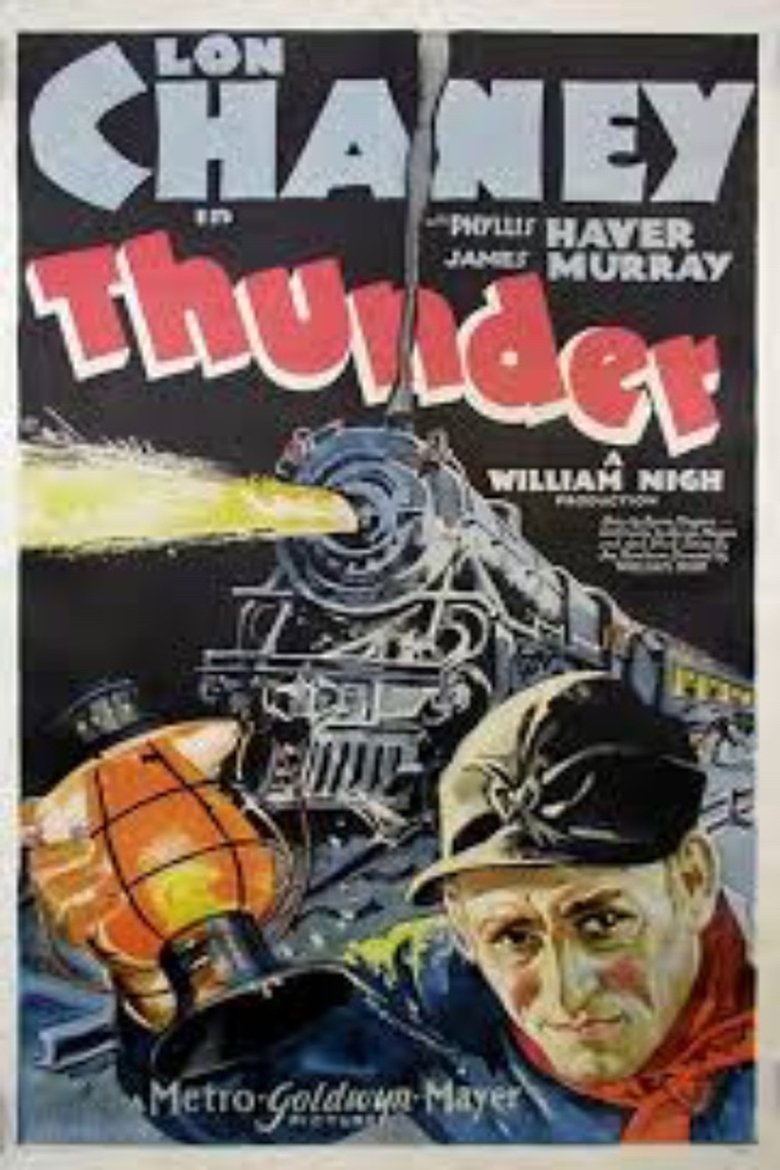
Thunder (1929) functions as a conventional cautionary tale centered on a male train operator's professional obsession. The film prioritizes a traditional moral framework, focusing on the tension between industrial duty and familial stability. The narrative architecture suggests a standard early Hollywood approach, emphasizing individual responsibility and domestic consequences. It operates within the social constraints of its era rather than challenging systemic power dynamics. Because the story centers on a singular male drive and its impact on a nuclear family, it lacks significant representation of intersectional identities or diverse social perspectives.
1931
1922
1931
1924
1922

1933
1923
1924
1920
1940
1948
1905
No reviews yet. Be the first to share your thoughts on this movie!
Use the rating form above to leave a star rating and optional review.