
The Last Mile
1932
No user ratings available yet
Representation score: 2.6 out of 10
Representation Score
Minimal
1932
NRDirector
James Flood, Elliott Nugent
Runtime
86 minutes
Average Rating
No ratings yetNew Showbiz Analysis
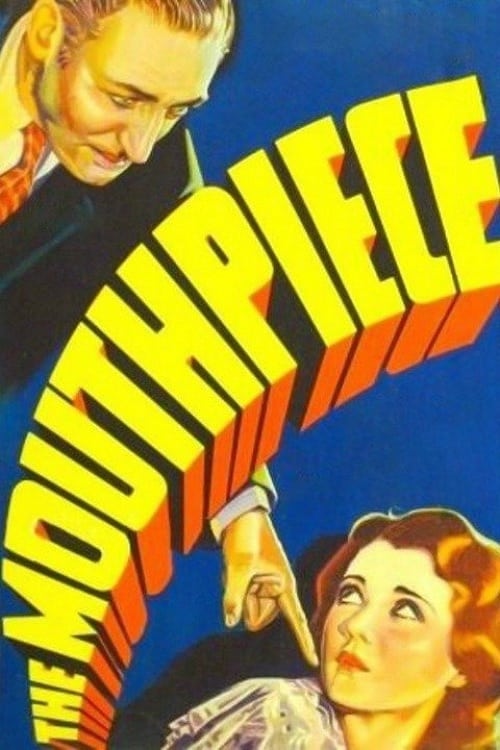
The Mouthpiece is a conventional legal drama that centers on a male protagonist's moral journey. The narrative focuses on a man's transition from prosecutor to defense attorney to correct a judicial error, a cliché centered on individual conscience. Because the film is a product of 1932, it lacks complexity in reflecting multiple aspects of identity. The story reinforces traditional hierarchies, focusing on a male-dominated professional sphere and a homogeneous social environment. It serves more as a study of personal guilt than a critique of systemic identity-based issues.
Category Breakdown
The film does not include any characters with non-straight sexual orientations or gender identities. It adheres to the social norms and censorship standards of 1932.
The story revolves around a male protagonist dealing with a professional crisis. Female characters have limited roles and do not drive the plot, reinforcing traditional male leadership in the legal profession.
The film lacks a diverse cast and does not feature characters of color with significant roles. It likely reflects the homogeneous society of early 1930s American cinema.
The film critiques institutional infallibility through a personal moral lens. It emphasizes individual redemption over a broader examination of Western social or political institutions.
There are no characters with visible or invisible disabilities mentioned. The synopsis does not indicate any representation of neurodivergence or mental health issues.
Present on Screen
Limited or Absent
Official Synopsis
A prosecutor quits his job and becomes a defense attorney when he finds out that a man he got convicted and executed was actually innocent.
1932
1948
1923

1930
1993

1930
1929
1932
No reviews yet. Be the first to share your thoughts on this movie!
Use the rating form above to leave a star rating and optional review.