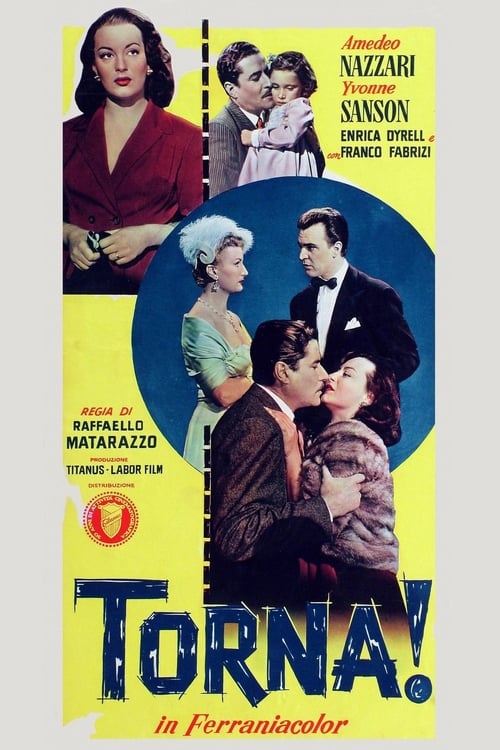
Torna!
1954
No user ratings available yet
Diversity score: 2.6 out of 10
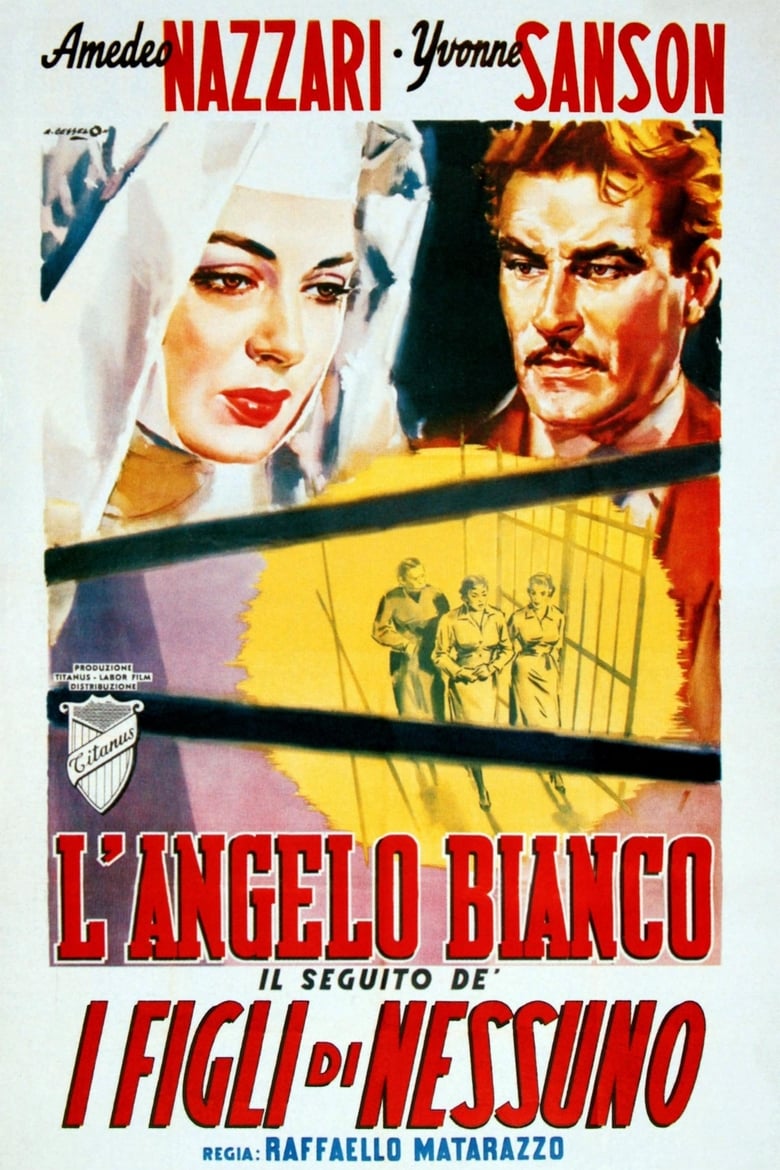
1955
Director
Raffaello Matarazzo
Runtime
97 minutes
Average Rating
No ratings yetSynopsis
In this sequel to Nobody's Children, Guido still longs for Luisa, who has become a nun. Then he meets Lina, a chorus dancer who is a dead ringer for his former lover.
Overall Score
Limited
Category Breakdown
LGBTQ+ Representation
The film centers on traditional romantic longing and spiritual archetypes. There is no evidence of non-cisnormative identities or critiques of heteronormativity within the narrative.
Gender Representation
Female characters are largely defined by their relationships to the male protagonist. While a chorus dancer provides some female visibility, the story prioritizes the man's emotional journey over female agency.
Racial & Ethnic Diversity
The production reflects the demographic homogeneity of mid-century Italy. The focus on local social and religious dynamics suggests a lack of intersectional racial diversity.
Religious & Cultural Diversity
The narrative operates within the framework of traditional religious institutions. Themes of spiritual devotion and moral structures prioritize established social values over secularism.
Disability Representation
The film provides no information or visible portrayal regarding physical or neurodivergent disabilities.
Strengths
Areas for Improvement
AI Analysis
The White Angel is a quintessential mid-century Italian melodrama that reinforces established social and religious hierarchies. Its narrative architecture relies on conventional romantic tropes and the preservation of traditional moral orders. The film lacks intersectional identities, focusing instead on a singular romantic ideal and the pursuit of lost love. This narrow focus limits the subversion of systemic norms. Ultimately, the work functions as a period piece that upholds the status quo of its era rather than challenging it.
1954
1952
2008
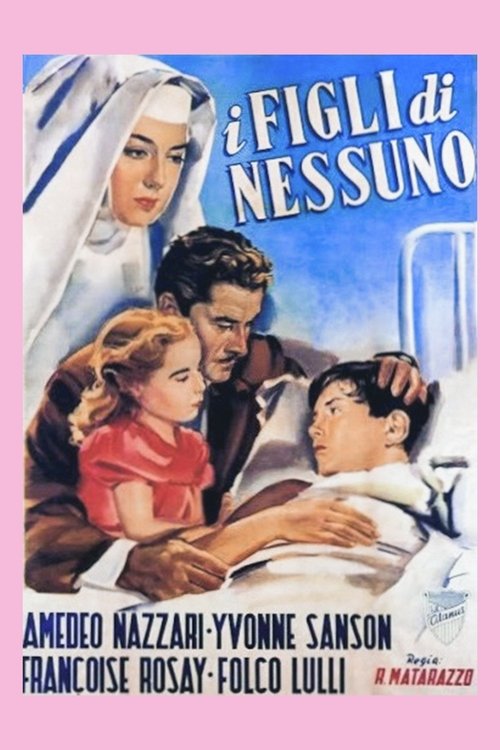
1951
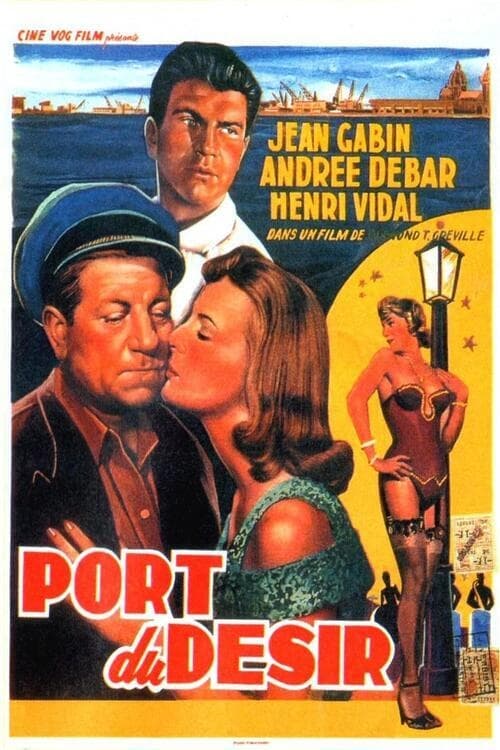
1955

1991

1949
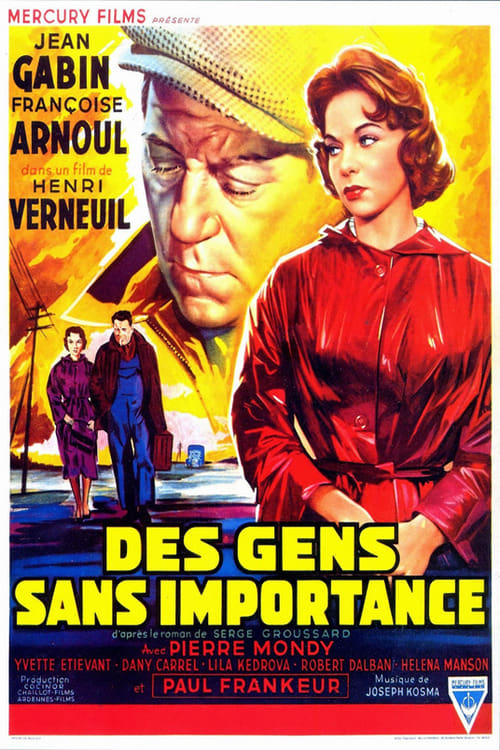
1956

1994
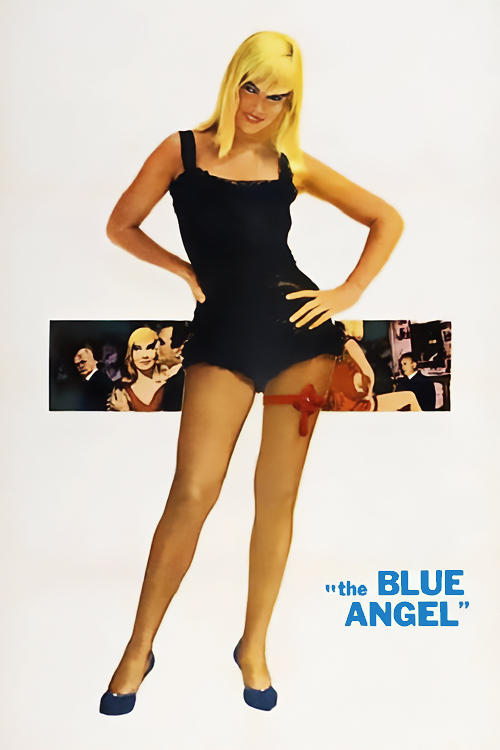
1959
1955
1946
No reviews yet. Be the first to share your thoughts on this movie!
Use the rating form above to leave a star rating and optional review.