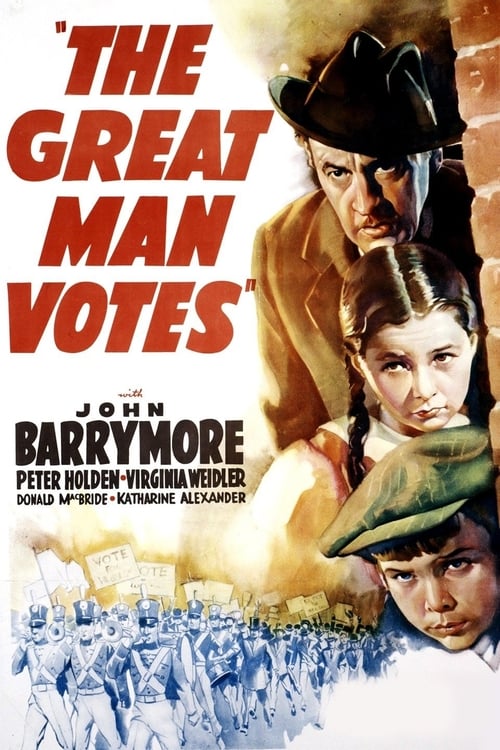
The Great Man Votes
1939
No user ratings available yet
Diversity score: 2.8 out of 10
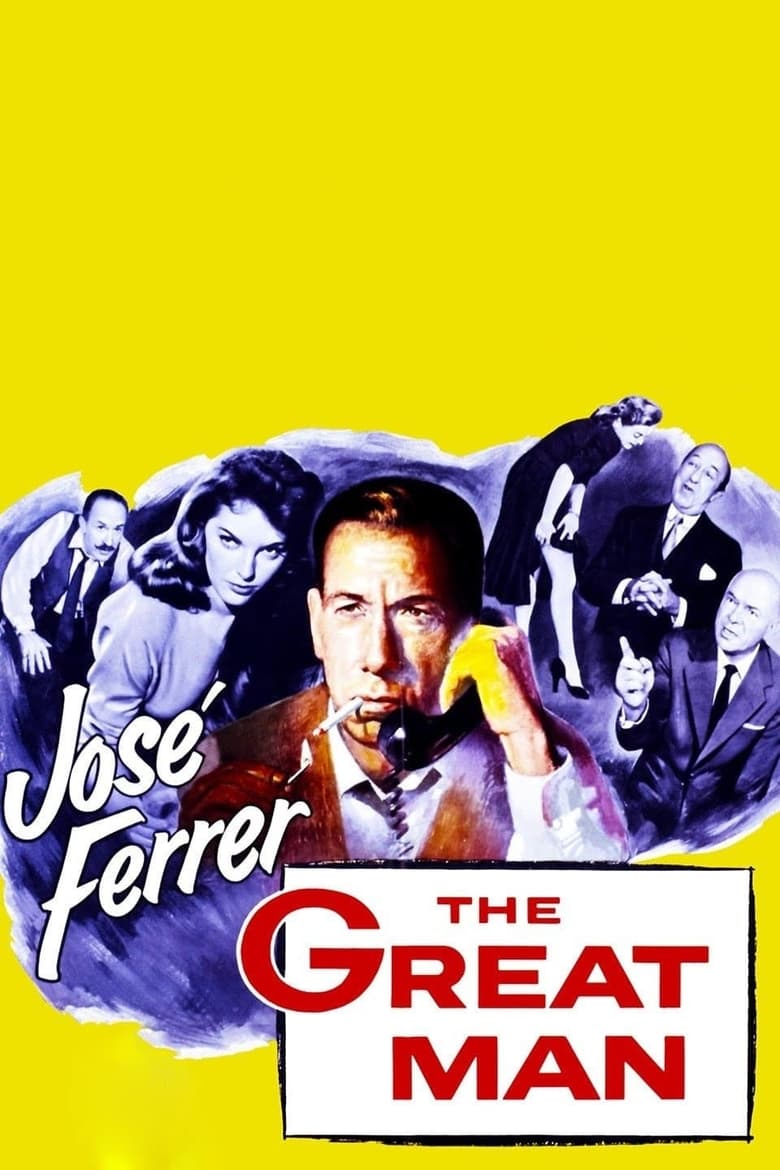
1956
NRDirector
José Ferrer
Runtime
92 minutes
Average Rating
No ratings yetSynopsis
Joe Harris, preparing a eulogy for popular radio commentator Herb Fuller, finds that nobody has a good word to say about him.
Overall Score
Limited
Category Breakdown
LGBTQ+ Representation
The film contains no evidence of LGBTQ+ characters or narratives addressing non-heteronormative identities.
Gender Representation
The story focuses on a male radio commentator within a traditional 1950s patriarchal framework. It shows no evidence of elevating female agency or subverting gender hierarchies.
Racial & Ethnic Diversity
The film likely reflects the demographic homogeneity of 1956. There is no evidence of diverse casting or racial intersectionality in the available data.
Religious & Cultural Diversity
The narrative disrupts traditional heroism by deconstructing the 'Great Man' mythos. However, it lacks explicit evidence of anti-capitalist or secularist themes.
Disability Representation
There is no information available regarding the inclusion of characters with physical or neurodivergent disabilities.
Strengths
Areas for Improvement
AI Analysis
The Great Man functions as a psychological character study rather than a vehicle for social representation. It focuses on the discrepancy between a public persona and private reality through the lens of a radio commentator's eulogy. While the film subtly challenges the sanctity of public icons and traditional hero tropes, it remains a product of its era. The narrative architecture prioritizes individual character flaws over systemic or intersectional social dynamics. Ultimately, the film lacks the demographic breadth and identity-driven agency necessary for a modern diversity profile, remaining centered on mid-century social structures.
1939

1955

1946

1961

1956

1959

1962
1939

1978
1958
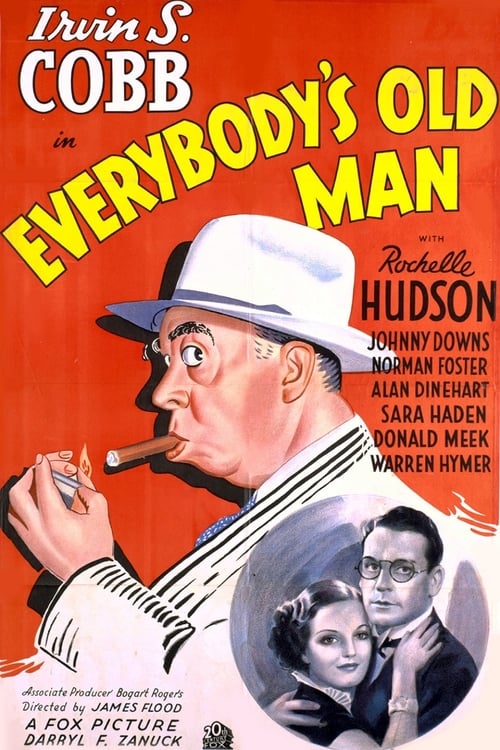
1936
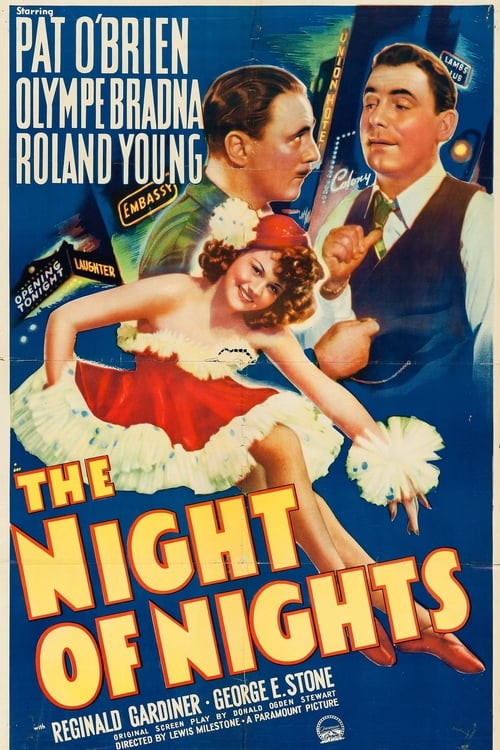
1939
No reviews yet. Be the first to share your thoughts on this movie!
Use the rating form above to leave a star rating and optional review.