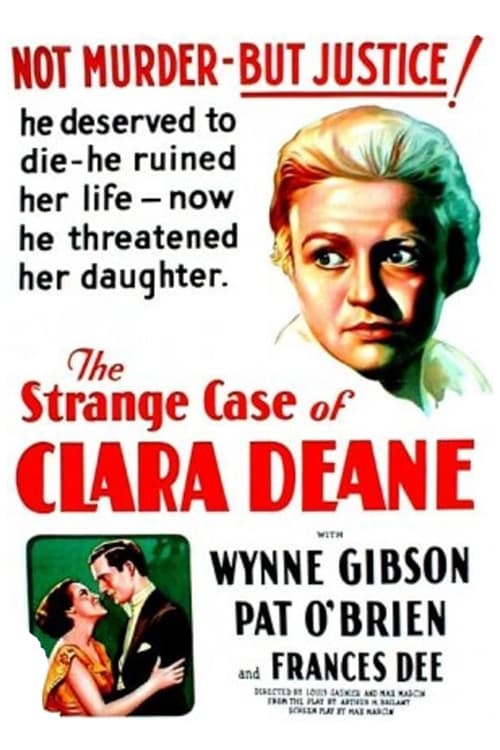
The Strange Case of Clara Deane
1932
No user ratings available yet
Diversity score: 2.1 out of 10

1936
ApprovedDirector
Carol Reed
Runtime
76 minutes
Average Rating
No ratings yetSynopsis
A ruthless businessman tries to steal his brother's successful shipping company. He hires a gifted mimic to date one of his brother's daughters to get some inside information about the business. The mimic succeeds only too well, with tragic results.
Overall Score
Limited
Category Breakdown
LGBTQ+ Representation
The plot centers on corporate espionage and familial betrayal. There are no non-cisnormative identities or narratives that critique heteronormativity.
Gender Representation
Female characters are central to the plot but primarily serve as objects of deception. Power dynamics are driven by male-centric corporate and familial ambitions.
Racial & Ethnic Diversity
The film features a homogeneous cast consistent with 1930s Western dramatic norms. There is no evidence of racial blending or diverse casting.
Religious & Cultural Diversity
The story explores superstition and the psychological weight of folklore. It focuses on individual morality rather than a systemic critique of religious institutions.
Disability Representation
No characters with visible or invisible disabilities are utilized as central plot devices or portrayed with specific agency.
Strengths
Areas for Improvement
AI Analysis
Talk of the Devil is a period-typical drama that adheres to the social and narrative constraints of 1936. The film relies on traditional tropes of deception and familial conflict to drive its tragic conclusion. The narrative lacks intersectional complexity, focusing instead on individual character flaws and the consequences of social manipulation. It operates within a conventional social order without attempting to subvert established hierarchies. Ultimately, the film serves as a study of corporate greed and psychological manipulation rather than a vehicle for diverse representation.
1932
1948

1932
1929
1934
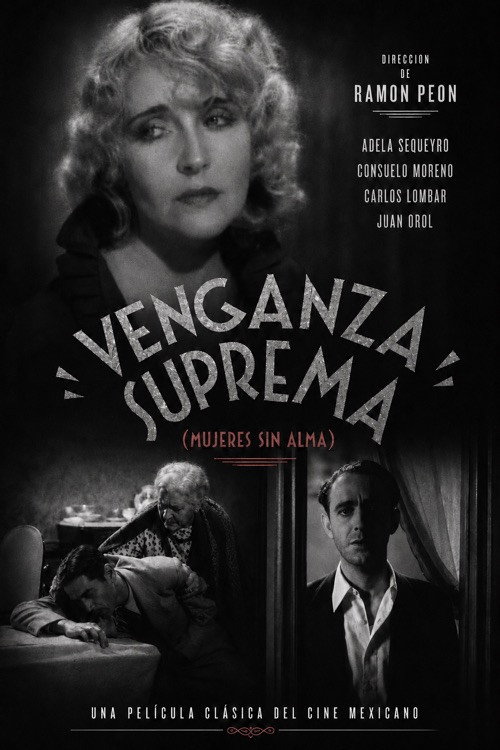
1934
1927

1934
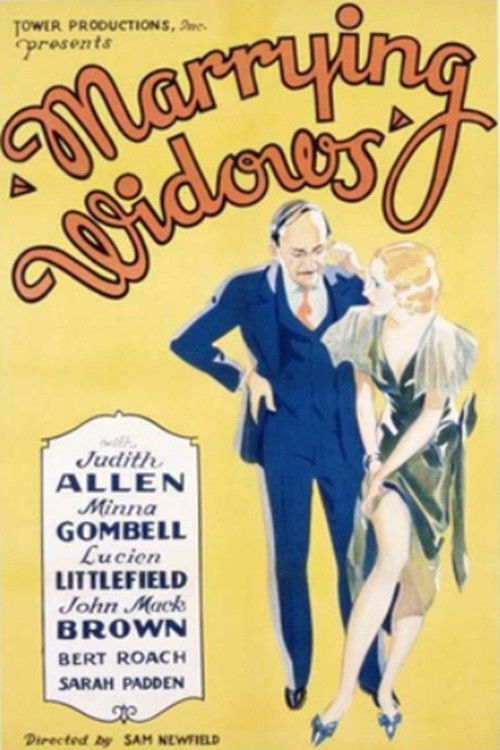
1934
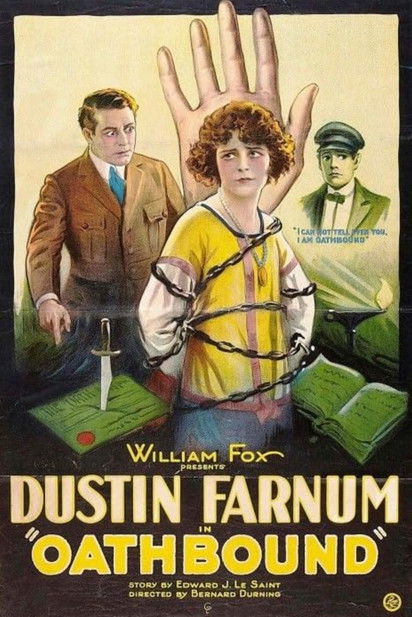
1922
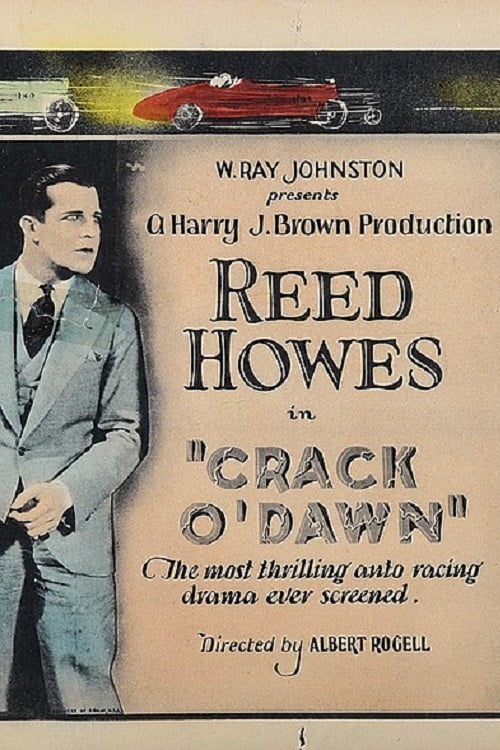
1926

1931
No reviews yet. Be the first to share your thoughts on this movie!
Use the rating form above to leave a star rating and optional review.