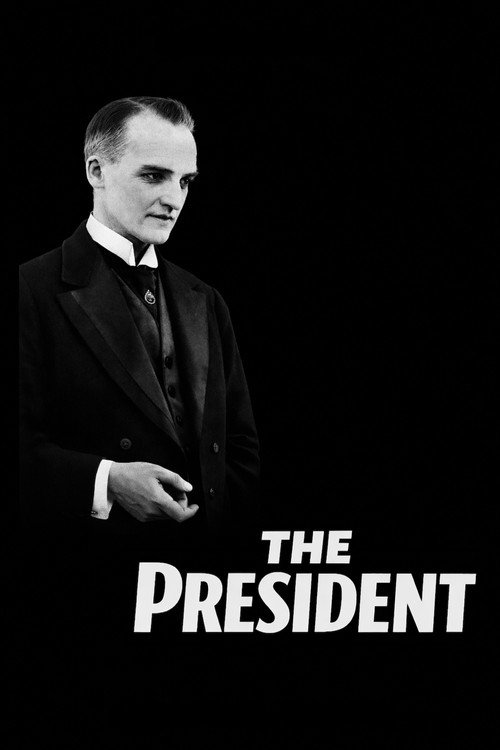
The President
1919
No user ratings available yet
Diversity score: 3.9 out of 10
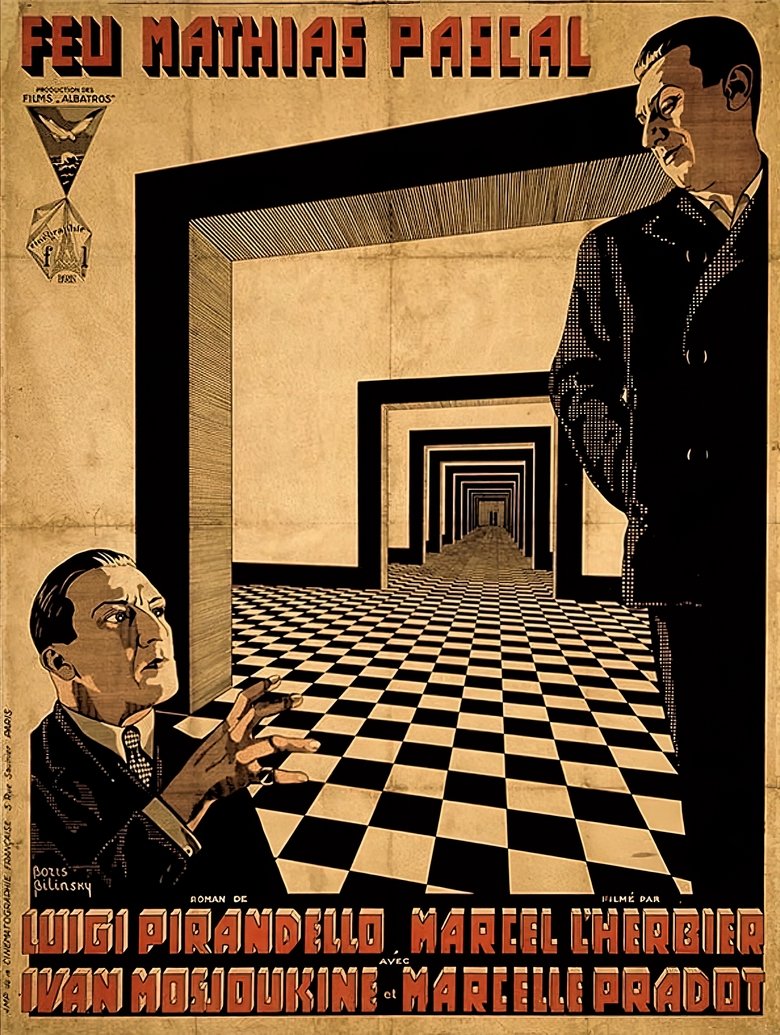
1925
Director
Marcel L'Herbier
Runtime
170 minutes
Average Rating
No ratings yetSynopsis
Mathias Pascal, only son of a once-rich family, marries beautiful Romalinda, who has a terrible mother-in-law. She controls her daughter, and soon his home life becomes a nightmare. His only moments of lights are his mother and baby, but both die on the same day. Shocked, he leaves his hometown and goes to Monte Carlo, where he wins a fortune at the casino. Returning home, he reads his own obituary in a paper. They have found a corpse in a creek and connected it with his disappearance. Mathias, noticing that he is now free from all ties to his old life, decides to start a new one.
Overall Score
Fair
Category Breakdown
LGBTQ+ Representation
The film lacks explicit LGBTQ+ characters or non-heteronormative identities. The narrative centers on traditional marriage and familial bonds rather than queer themes.
Gender Representation
Female characters are often defined by their relationships to the male protagonist. However, the film subverts domestic tropes by portraying the mother-in-law as a controlling, antagonistic force.
Racial & Ethnic Diversity
The production reflects a homogeneous European social landscape typical of 1920s France. There is no indication of racial blending or non-majority casting within the narrative.
Religious & Cultural Diversity
The story critiques traditional social structures by prioritizing individual reinvention over family sanctity. The protagonist's decision to abandon his old life suggests a deconstruction of Western social institutions.
Disability Representation
There is no information regarding the depiction of physical, sensory, or neurodivergent disabilities in this work.
Strengths
Areas for Improvement
AI Analysis
The film functions as a psychological study of identity and social detachment. It achieves a moderate score by subverting the ideal of the stable family unit, framing the abandonment of traditional roles as a form of personal liberation. However, the work lacks modern intersectional markers. It remains rooted in a localized, traditional European context that offers little engagement with racial or LGBTQ+ diversity. Ultimately, the narrative's strength lies in its focus on the individual's ability to exist outside of systemic social expectations, even if the characterizations remain largely reactive to traditional domestic conflicts.
1919

1923
1925
1931

1929

1930
1934

1935

1929

1931

1910
1958
No reviews yet. Be the first to share your thoughts on this movie!
Use the rating form above to leave a star rating and optional review.