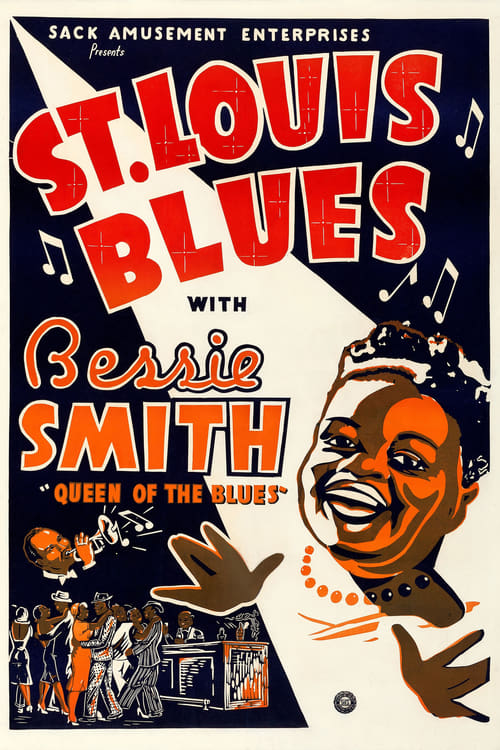
St. Louis Blues
1929
No user ratings available yet
Diversity score: 6.8 out of 10

1935
UnratedDirector
Fred Waller
Runtime
9 minutes
Average Rating
No ratings yetSynopsis
A rising nineteen-year-old singer by the name of Billie Holiday made her screen debut in this musical landmark, which features Duke Ellington and his orchestra performing his symphonic jazz piece “A Rhapsody of Negro Life” set to scenes of everyday African American life.
Overall Score
Good
Category Breakdown
LGBTQ+ Representation
The film functions as a musical montage rather than a character-driven narrative. There is no documented evidence of non-cisnormative gender identities or same-sex intimacy within the work.
Gender Representation
Billie Holiday provides a central, emotive presence that challenges traditional vocal archetypes. However, the film's observational montage structure prevents the development of specific character arcs regarding gender hierarchies.
Racial & Ethnic Diversity
This landmark work centers an entirely Black cast, disrupting 1930s cinematic trends. By showcasing both urban and rural African American life, it asserts cultural excellence and complexity.
Religious & Cultural Diversity
The film celebrates Black lived experience through a sophisticated, symphonic lens. This artistic framing asserts cultural autonomy and highlights the dignity of everyday life.
Disability Representation
The montage format does not provide sufficient evidence to evaluate the depiction of visible or invisible disabilities.
Strengths
Areas for Improvement
AI Analysis
Symphony in Black is a vital historical document that disrupts the cinematic hierarchies of the 1930s. By centering Black agency through the musical genius of Duke Ellington and the emotive vocals of Billie Holiday, the film moves beyond mere representation into true cultural assertion. While the montage structure lacks the narrative depth to explore specific identity politics like LGBTQ+ or disability representation, its structural intentionality is profound. It bypasses the prevailing white gaze of the era to present a sophisticated, autonomous view of African American life. Ultimately, the film uses a musical rhapsody to frame the complexities of Black existence, establishing an early precedent for intersectional visibility and artistic dignity.
1929

1929
1929
1953
1947
1974
1929
2016
1959
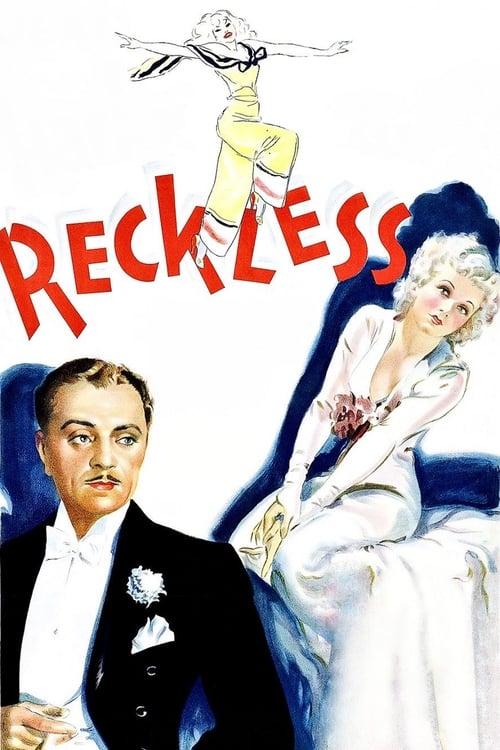
1935
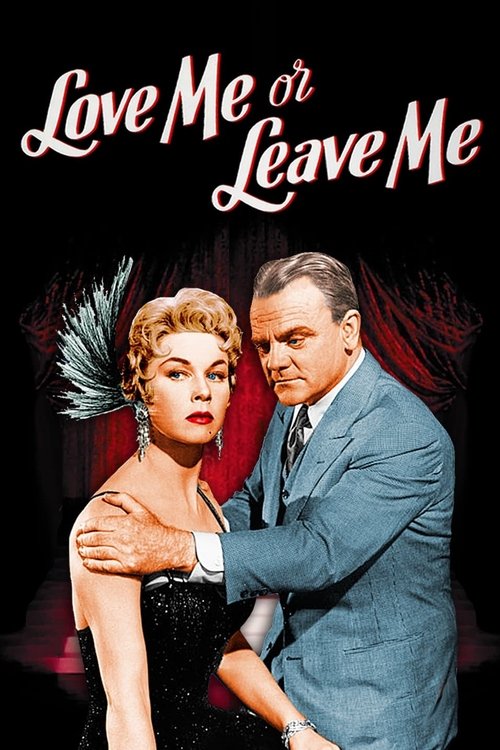
1955
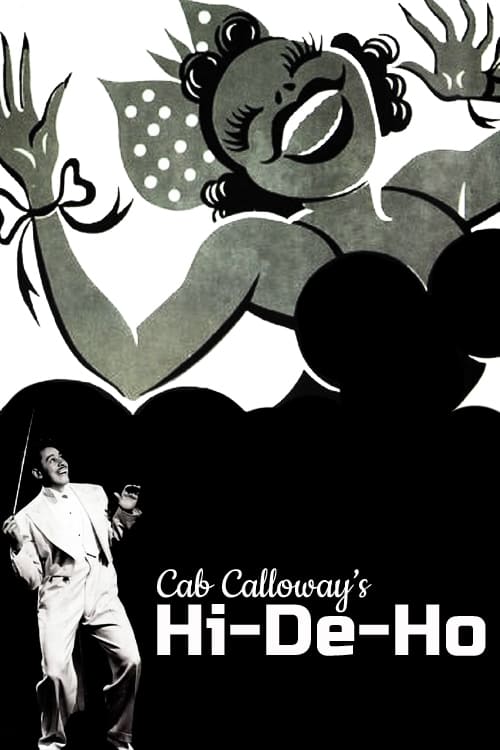
1934
No reviews yet. Be the first to share your thoughts on this movie!
Use the rating form above to leave a star rating and optional review.