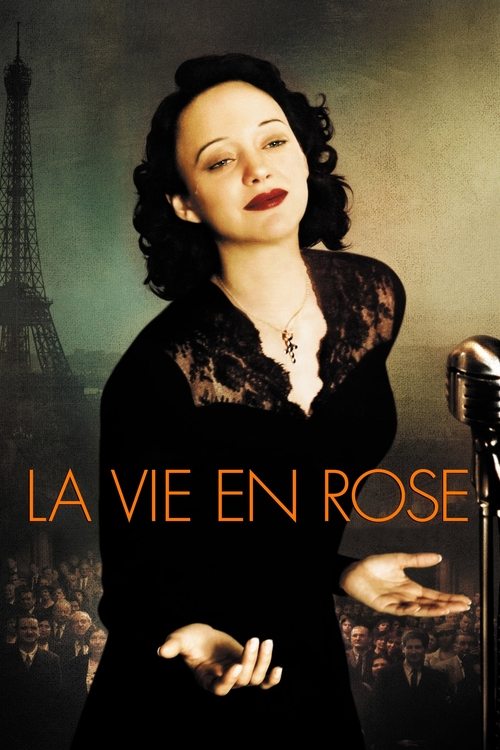
La Vie en Rose
2007
No user ratings available yet
Representation score: 7.6 out of 10
Representation Score
Limited
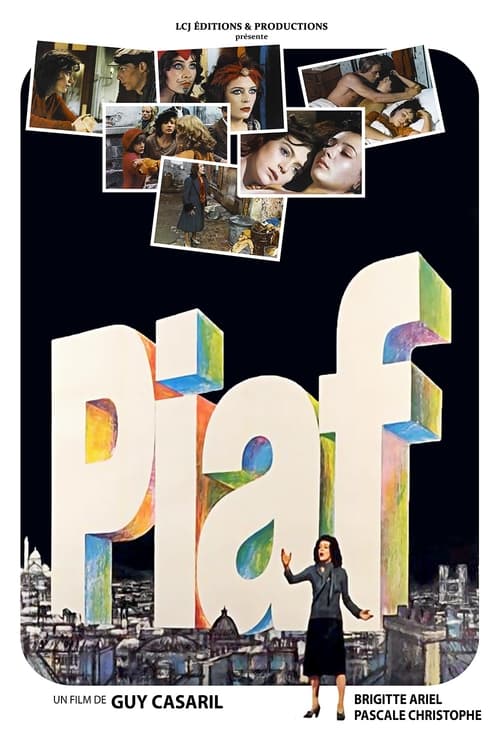
1974
PGDirector
Guy Casaril
Runtime
98 minutes
Average Rating
No ratings yetNew Showbiz Analysis
Piaf (1974) is a traditional biographical drama that centers on the individual narrative of a singular talent. It succeeds in highlighting a powerful female lead who challenges her immediate social environment through intelligence and vocal talent. However, the film lacks depth in addressing various aspects of identity. It adheres to the demographic and social constraints of its period, providing a standard historical reconstruction rather than a subversion of systemic power dynamics. The production primarily serves as a character study of resilience within a specific, historically homogeneous Parisian setting.
Category Breakdown
The film focuses on the professional journey and personal struggles of Édith Piaf. It does not include explicit narratives about non-binary gender identities or challenge assumptions about straight relationships.
Édith Piaf is a central female protagonist who dominates spaces usually controlled by men. However, the story follows the classic tragic muse cliché.
Set in early 20th-century Paris, the film reflects the historical homogeneity of the time. It functions as a localized study rather than an exploration of diverse racial backgrounds.
The narrative explores socioeconomic struggle and urban survival. It serves as a character study of individual resilience within a traditional Western social structure.
There is no mention of characters dealing with physical, sensory, or neurodivergent disabilities.
Present on Screen
Limited or Absent
Official Synopsis
Édith Giovanna Gassion is born in 1915. As a young girl she sings on the streets of Paris until a nightclub owner, Louis Leplée, discovers her. When he is murdered the composer Raymond Asso takes care of her and lets her perform at the ABC theatre, which leads to her breakthrough.
2007

2017

2013

2010

2014

2021

2024

2004
No reviews yet. Be the first to share your thoughts on this movie!
Use the rating form above to leave a star rating and optional review.