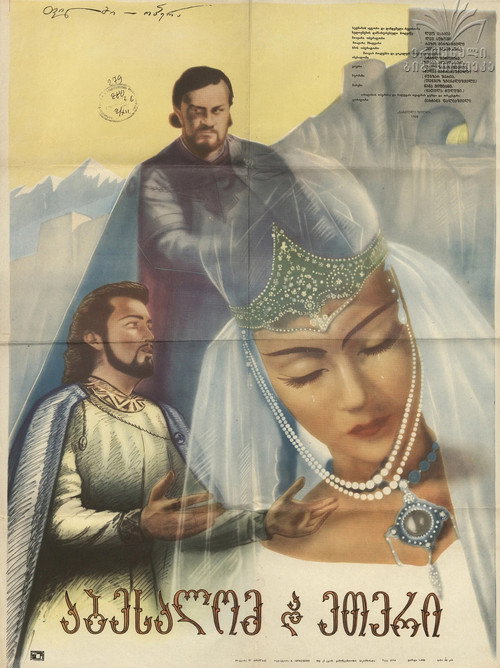
Abesalom and Eteri
1967
No user ratings available yet
Diversity score: 5.4 out of 10
1959
NRDirector
Otto Preminger
Runtime
138 minutes
Average Rating
No ratings yetSynopsis
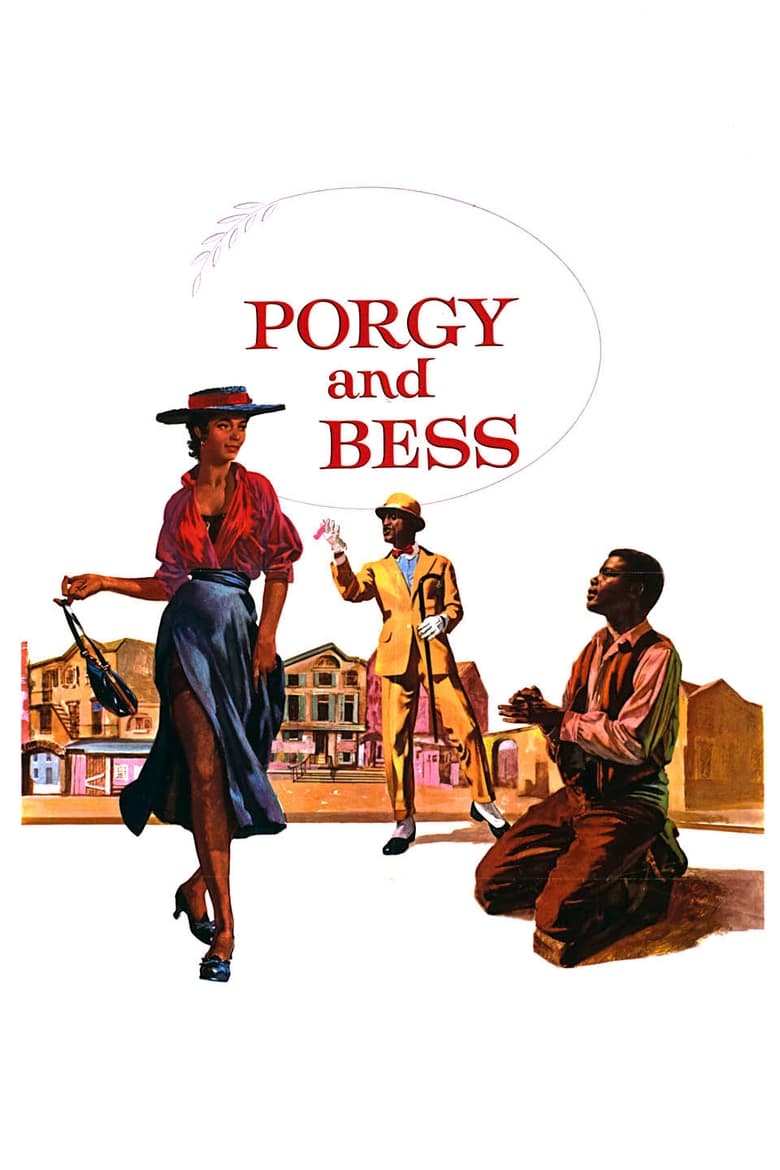
Set in the early 1900s in the fictional Catfish Row section of Charleston, South Carolina, which serves as home to a black fishing community, the story focuses on the titular characters, crippled beggar Porgy, who travels about in a goat-drawn cart, and the drug-addicted Bess, who lives with stevedore Crown, the local bully.
Overall Score
Good
Category Breakdown
LGBTQ+ Representation
The film focuses on heteronormative romantic tensions. There is no depiction of non-cisnormative gender identities or same-sex intimacy.
Gender Representation
Bess displays psychological agency through her struggle with addiction and power dynamics. However, the narrative occasionally relies on tropes of female vulnerability and moral instability.
Racial & Ethnic Diversity
This landmark production features an all-Black cast, disrupting the era's tendency toward whitewashing. It prioritizes the cultural expressions and lived experiences of a Black fishing community.
Religious & Cultural Diversity
The film explores systemic poverty and uses moral relativism through Bess's survival. While religion is a central pillar, the depiction of institutions is nuanced rather than purely celebratory.
Disability Representation
Porgy is an amputee whose disability is a lived reality rather than a plot device. He possesses profound agency and avoids the pitfalls of being a saintly, pity-inducing figure.
Strengths
Areas for Improvement
AI Analysis
Porgy and Bess is a significant cinematic achievement for its era, particularly through its commitment to an all-Black ensemble. This casting choice provides a level of racial authenticity and agency that was rare in the late 1950s. The film excels by centering a protagonist with a visible disability who maintains high narrative agency. By portraying a community shaped by systemic socioeconomic pressures, it challenges the monolithic depictions of Black life common in mid-century media. While the film operates within traditional romantic and moral frameworks, its disruption of conventional casting norms and its nuanced portrayal of marginalized identities create a sophisticated narrative architecture.
1967
1958
1955
1953
No reviews yet. Be the first to share your thoughts on this movie!
Use the rating form above to leave a star rating and optional review.