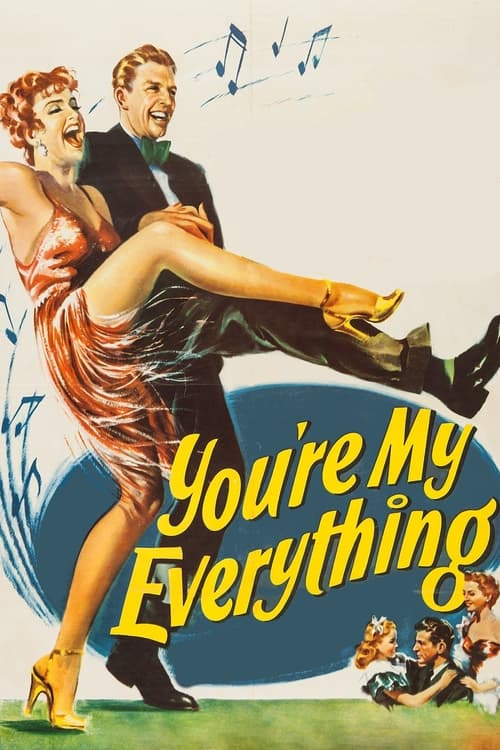
You're My Everything
1949
No user ratings available yet
Representation score: 1.1 out of 10
Representation Score
Minimal
1953
ApprovedDirector
Alfred E. Green
Runtime
115 minutes
Average Rating
No ratings yetNew Showbiz Analysis
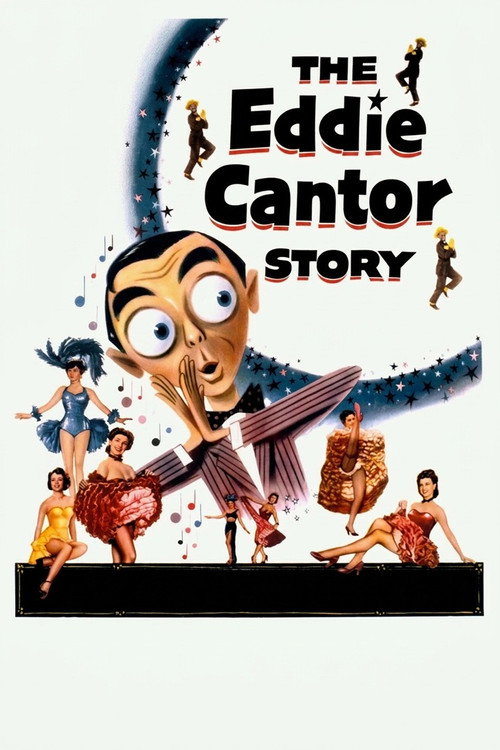
The film celebrates individual achievement and cultural assimilation typical of its era. While it provides depth by focusing on the Jewish immigrant experience, it remains tied to traditional social norms and gender roles. Its portrayal of the American Dream reinforces the stability of capitalist institutions and meritocracy. The narrative sticks to conventional character arcs and moral clarity without challenging established norms.
Category Breakdown
The film adheres to the assumption that everyone is straight or cisgender. There is no depiction of non-binary gender identities or same-sex relationships.
The story emphasizes traditional gender roles from the mid-20th century. Female characters mainly support the plot in domestic roles, while the male protagonist focuses on his professional success.
The film offers a detailed look at the Jewish immigrant experience in early 20th-century New York. It highlights the cultural identity and economic challenges faced by a Jewish protagonist.
The story upholds traditional Western values and celebrates the American Dream. It portrays personal success and perseverance as inherently positive.
There are no prominent depictions of visible or invisible disabilities used as central narrative drivers or character traits.
Present on Screen
Limited or Absent
Official Synopsis
Film biography of entertainer Eddie Cantor, with Keefe Brasselle starring as the popular stage, radio and movie comic.
1949

1942

1957
1936
1974

1954
1952

1954
No reviews yet. Be the first to share your thoughts on this movie!
Use the rating form above to leave a star rating and optional review.