Cab Calloway's Jitterbug Party
1935
No user ratings available yet
Representation score: 3.7 out of 10
Representation Score
Limited
1934
Not RatedDirector
Fred Waller
Runtime
10 minutes
Average Rating
No ratings yetNew Showbiz Analysis
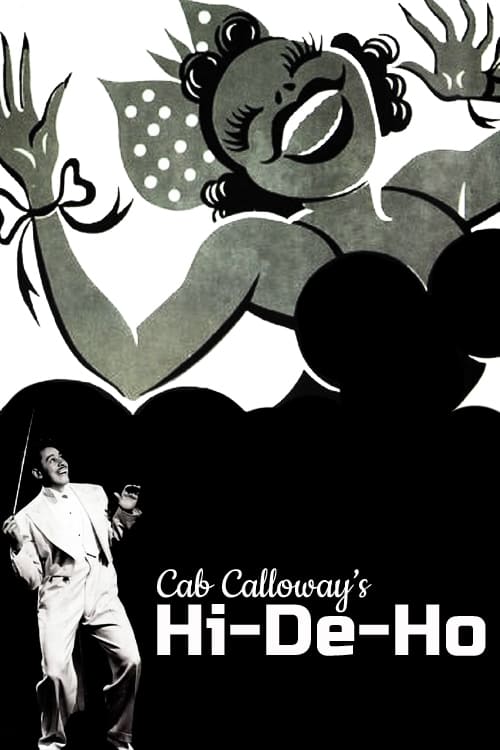
Cab Calloway's Hi-De-Ho is a crucial historical document that challenges the cinematic norms of the 1930s. By highlighting Black virtuosity and leadership, it transforms a typical musical revue into a platform for cultural assertion. The film's strength lies in its racial representation, using the Cotton Club setting to elevate Black performers to positions of artistic authority. This counters the era's prevailing trends of exclusion. However, the film remains constrained by the era's gendered performance standards and lacks any LGBTQ+ or disability-focused narratives. The comedic plot relies on traditional romantic clichés and male-centric leadership.
Category Breakdown
The film follows the social norms of 1934. There are no explicit representations of LGBTQ+ identities or queer stories.
The story focuses on Cab Calloway and his orchestra. While Fredi Washington plays a key comedic role, female characters are often placed in the background as dancers.
This film features an all-Black cast, offering excellent representation for its time. It highlights Black performers' ability to act and musical skill, challenging the era's systemic exclusion.
The celebration of Black jazz culture and scatting serves as a form of cultural assertion. It presents a nuanced view of social dynamics through comedy.
There are no specific depictions of physical or neurodivergent disabilities in the film.
Present on Screen
Limited or Absent
Official Synopsis
This jazz musical short has a comedy plot about marital infidelity. Bandleader Cab Calloway plays a ladies man who dates the wife (Fredi Washington) of a train porter who is frequently absent from home. Calloway and his Orchestra perform "Zaz-zuh-zaz" and "The Lady with the Fan" at the Cotton Club in Harlem.
1935
1929

1939
1933
1934
1929
1948
1928
No reviews yet. Be the first to share your thoughts on this movie!
Use the rating form above to leave a star rating and optional review.