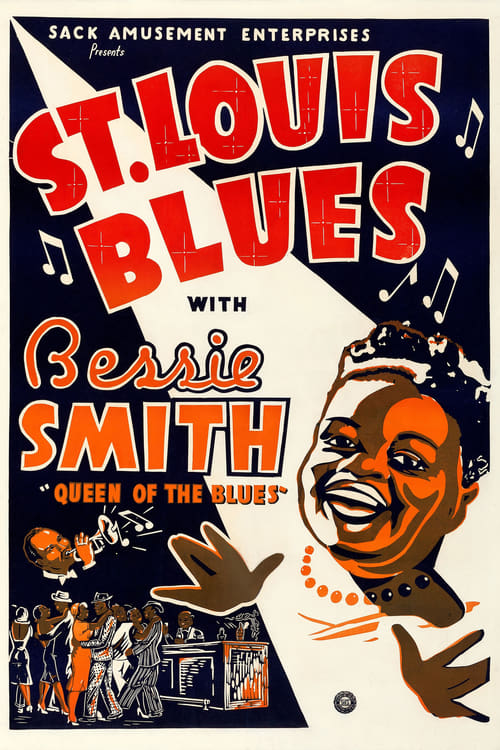
St. Louis Blues
1929
No user ratings available yet
Diversity score: 6.8 out of 10
1929
Not RatedDirector
Dudley Murphy
Runtime
19 minutes
Average Rating
No ratings yetSynopsis
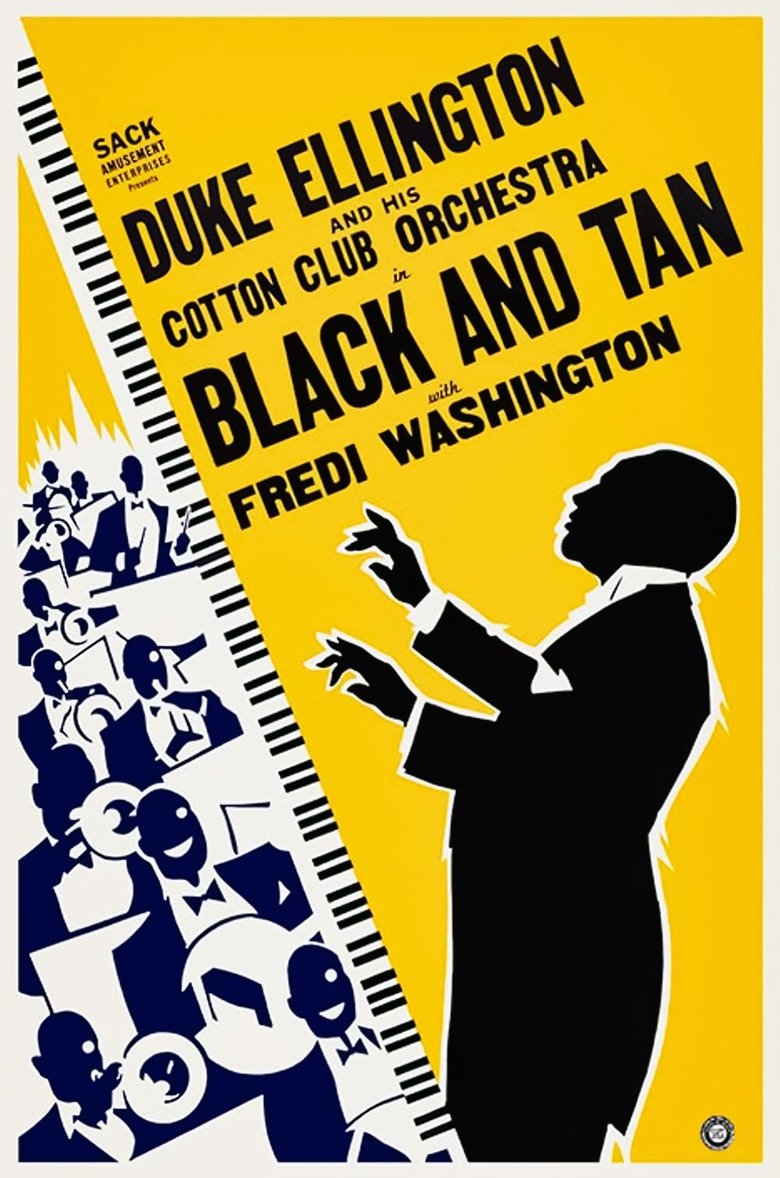
Duke Ellington plays hot jazz in a fictional story that finds him down on his luck; he tries in vain to dissuade his friend, dancer Fredi Washington, from working with heart trouble even though it means work for his band. Sure enough, she collapses on stage...
Overall Score
Fair
Category Breakdown
LGBTQ+ Representation
The film contains no discernible depictions of LGBTQ+ identities. The narrative focus remains strictly on professional tensions between the musical ensemble and the dancers.
Gender Representation
Fredi Washington is granted agency through her physical performance and the narrative tension surrounding her health. Her professional choices drive the plot, though traditional gender hierarchies remain largely intact.
Racial & Ethnic Diversity
The film centers Black protagonists like Duke Ellington and Fredi Washington, avoiding 1920s caricatures. It showcases Black excellence and creative leadership through the medium of jazz.
Religious & Cultural Diversity
The film portrays the specific subculture of 'hot jazz' and the physical toll of professional performance. It highlights a cultural identity with its own internal social codes.
Disability Representation
A medical crisis involving heart trouble serves as a central plot driver. However, the condition is used primarily as a device to create tension rather than exploring lived experience.
Strengths
Areas for Improvement
AI Analysis
Black and Tan stands as a significant historical artifact that disrupts 1920s cinematic norms. By centering Duke Ellington and Fredi Washington, the film provides Black performers with professional agency and artistic sophistication, moving far beyond the era's typical reliance on caricatured archetypes. While the film excels in racial representation by showcasing Black creative leadership, it is limited by the era's constraints. The narrative uses physical illness as a plot device rather than a nuanced exploration of disability, and it lacks any LGBTQ+ presence. Ultimately, the film is a powerful showcase of jazz culture. It captures the pressures of the entertainment industry and the reality of labor, providing a sophisticated look at Black excellence during a period of intense racial hierarchy.
1929
1935
1929
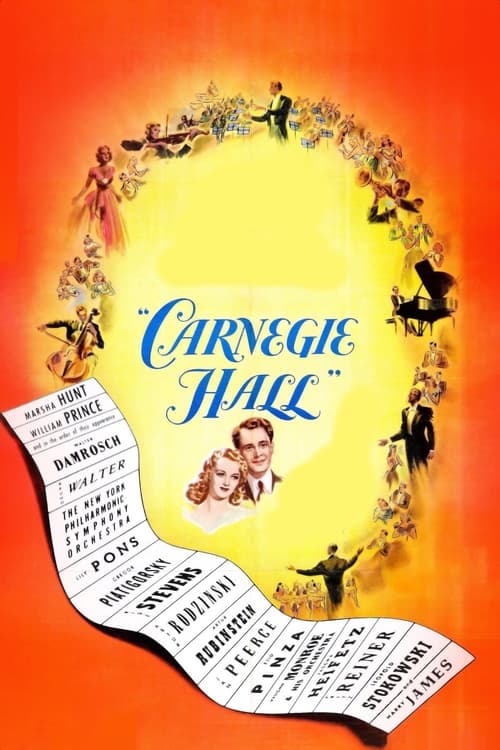
1947
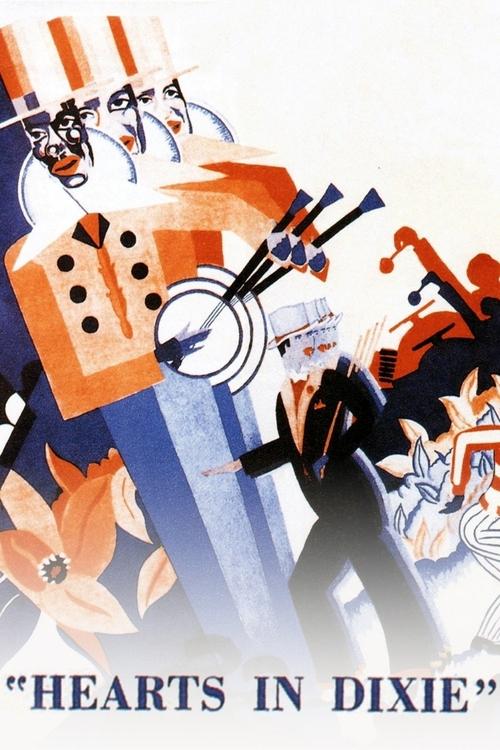
1929
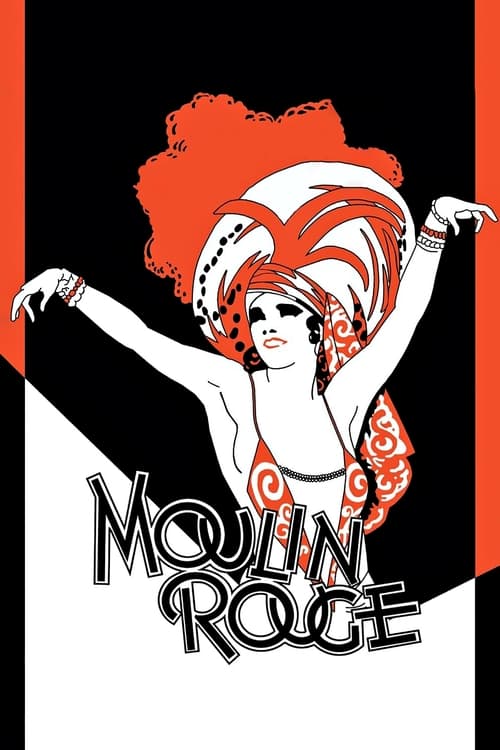
1928

1943
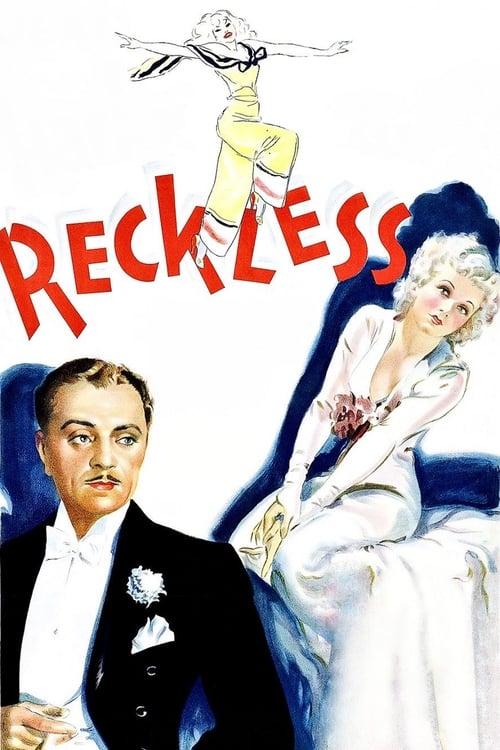
1935
1929
1955
1953
No reviews yet. Be the first to share your thoughts on this movie!
Use the rating form above to leave a star rating and optional review.