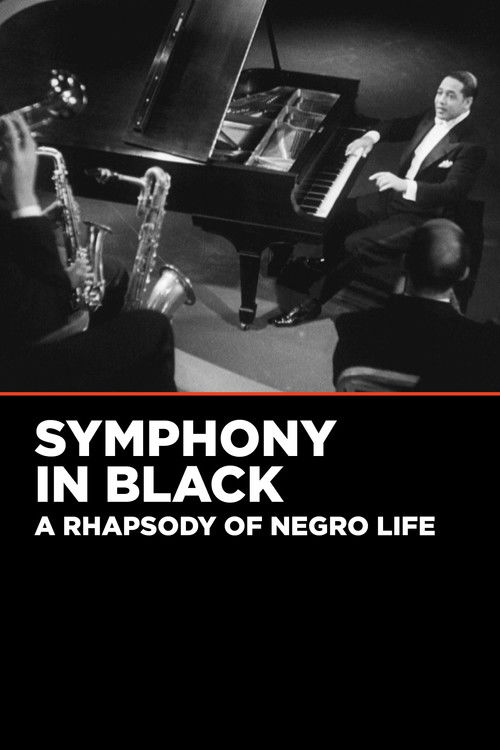
Symphony in Black: A Rhapsody of Negro Life
1935
No user ratings available yet
Representation score: 4.1 out of 10
Representation Score
Limited
1947
NRDirector
Edgar G. Ulmer
Runtime
144 minutes
Average Rating
No ratings yetNew Showbiz Analysis
Carnegie Hall functions primarily as a showcase for period-specific musical talent and traditional immigrant narratives. While the film provides a platform for women's ability to drive the story through its protagonist, the story remains anchored in the social hierarchies of the late 1940s. The narrative lacks complexity in reflecting multiple aspects of identity, focusing instead on the meritocratic aspirations of an Irish immigrant within a prestigious Western institution. The musical performances reinforce a homogeneous cultural standard centered on European-descended artists. Ultimately, the film serves as a cultural document of its time, prioritizing institutional stability and Western musical excellence over diverse representation or systemic critique.
Category Breakdown
The film follows traditional romantic and social structures typical of 1947. There is no evidence of non-binary gender identities or same-sex relationships within the narrative.
A female protagonist drives the story as she navigates a new country. However, her role as a cleaning lady reflects traditional socioeconomic hierarchies and service-based labor.
The story highlights the Irish immigrant experience within the American melting pot. The cast and performers primarily reflect the homogeneous Western classical standards of the era.
The film celebrates Western classical music and the prestige of Carnegie Hall. It reinforces established cultural landmarks rather than offering a critique of Western institutions.
No visible or invisible disabilities are documented as central to the character arcs or the plot progression.
Present on Screen
Limited or Absent
Official Synopsis
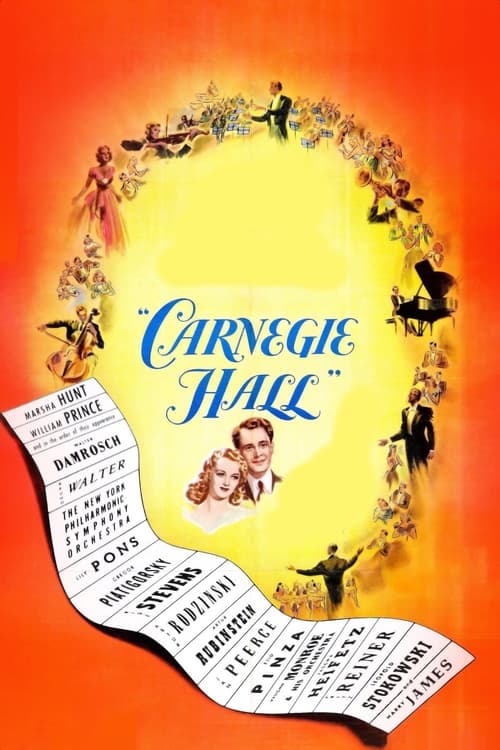
A young Irishwoman comes to the United States to live and work with her mother as a cleaning lady at Carnegie Hall. She becomes attached to the place as the people she meets there gradually shape her life. The film also includes a variety of performances from some of the foremost musical artists of the times: conductors Bruno Walter & Leopold Stokowski, solists Arthur Rubinstein & Jascha Haifetz, singers Lily Pons & Jan Peerce and bandleader Vaughn Monroe among many others.
1935
1949
1952
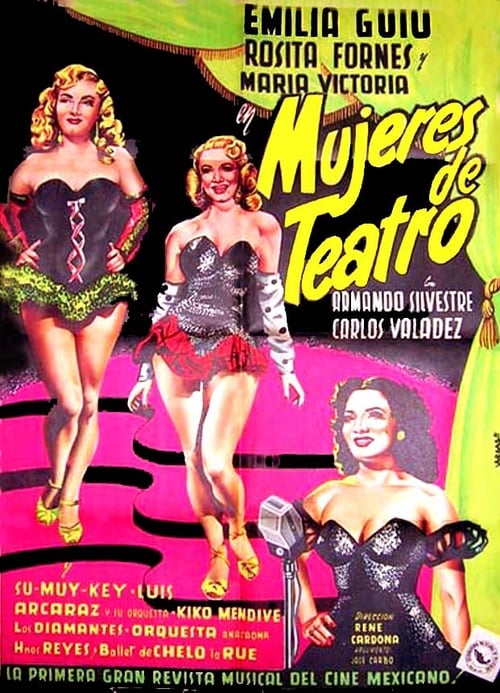
1951
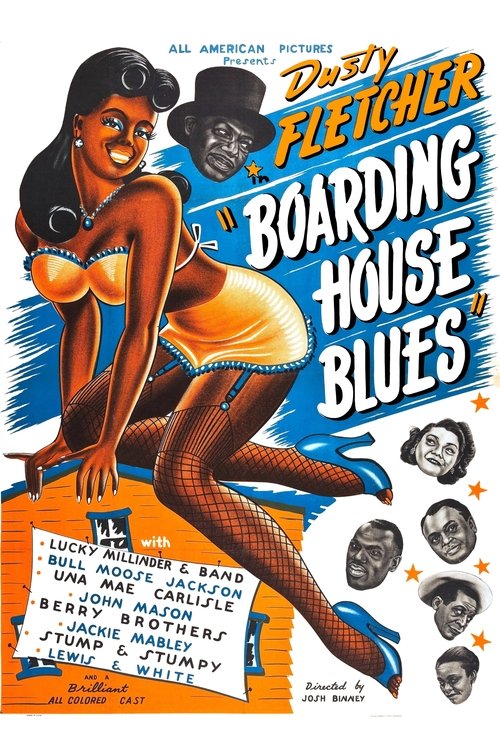
1948
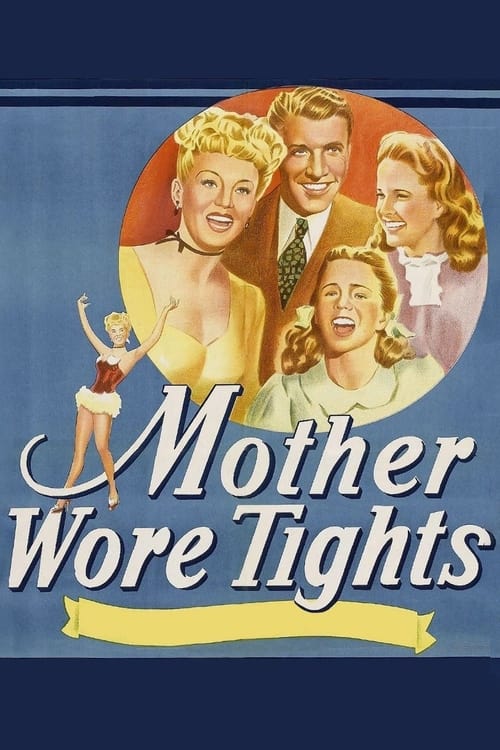
1947

1946
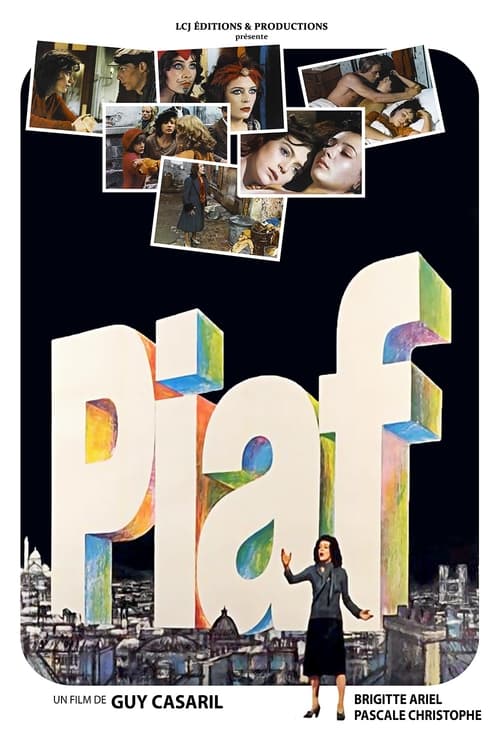
1974
No reviews yet. Be the first to share your thoughts on this movie!
Use the rating form above to leave a star rating and optional review.