Nina
2016
No user ratings available yet
Representation score: 4.7 out of 10
Representation Score
Excellent
2016
TV-14Director
Lonny Price
Runtime
90 minutes
Average Rating
No ratings yetNew Showbiz Analysis
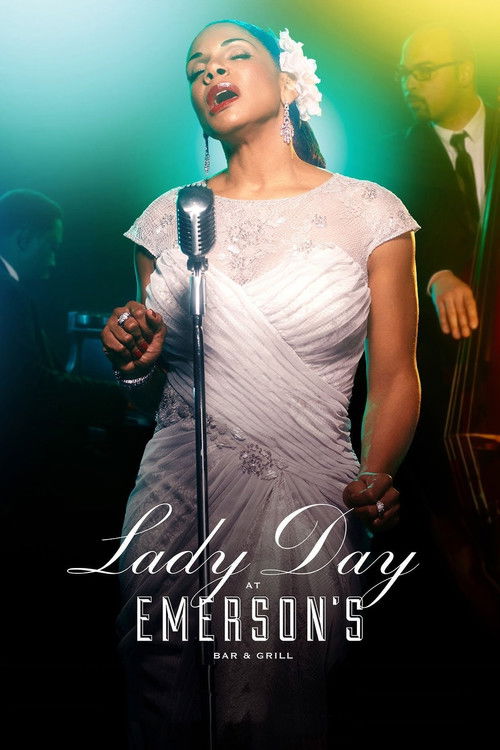
Lady Day at Emerson's Bar & Grill is a focused character study that uses musical theater to explore the intersection of race, gender, and systemic oppression. By centering Billie Holiday's lived experience, the film critiques the social structures of the 1950s. The production's greatest strength lies in its multi-layered approach. It leverages Audra McDonald's performance to give a Black protagonist a significant role in driving the story in navigating a world designed to exploit her talent while criminalizing her existence. While the film excels in racial and gendered storytelling, it remains limited in its exploration of LGBTQ+ identities and physical disabilities. It primarily serves as a historical critique of institutional power and personal struggle.
Category Breakdown
The film does not include explicit focus on non-traditional gender identities or same-sex relationships. There are no specific LGBTQ+ characters, and the bar setting does not offer any queer subtext.
The film centers on a woman's autonomy within a male-dominated industry. It passes the Bechdel test, highlighting Holiday's role in driving the story and emphasizing her intellectual depth alongside other women.
This is a standout element, featuring a powerful Black protagonist. The narrative critiques mid-20th-century racial segregation and the systemic exploitation of Black artists.
The film critiques the tension between Black artistry and Western capitalist structures. It highlights how society celebrates Black culture while criminalizing the personal autonomy of the creators.
The film lacks characters with physical or sensory disabilities. However, it offers a nuanced, tragic depiction of addiction, focusing on the personal struggles rather than using substance abuse merely as a plot device.
Present on Screen
Limited or Absent
Official Synopsis
It's 1959 in a seedy bar in Philadelphia, and Billie Holiday is giving one of her last performances interlaced with salty, often humorous, reminiscences to project a riveting portrait of the lady and her music 4 months before her death.
2016
2015
2015
1986
2016
1998
2020
1988
No reviews yet. Be the first to share your thoughts on this movie!
Use the rating form above to leave a star rating and optional review.