
Black and Tan
1929
No user ratings available yet
Representation score: 5.7 out of 10
Representation Score
Fair
1929
Not RatedDirector
Dudley Murphy
Runtime
16 minutes
Average Rating
No ratings yetNew Showbiz Analysis
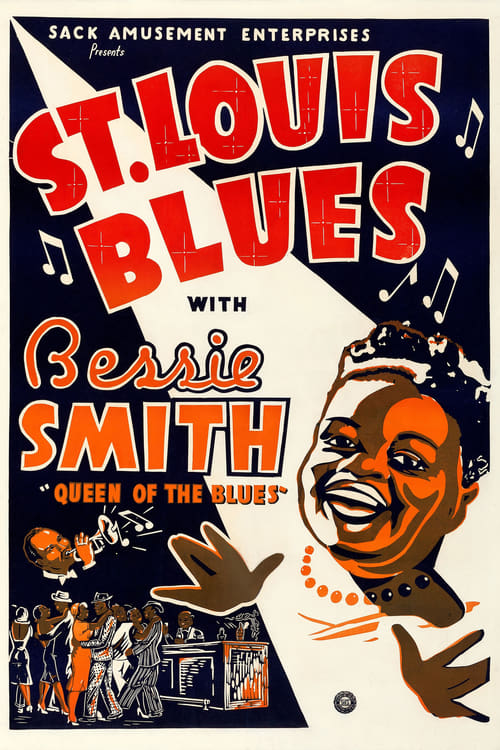
St. Louis Blues is a groundbreaking film from the early sound era, showcasing Black artistry. By featuring legendary figures like Bessie Smith and Louis Armstrong, the film avoids the stereotypes common in 1920s media. The film challenges the systemic biases of the time through its casting and creative direction, making Black identity the central theme rather than a supporting role. Despite the lack of LGBTQ+ or disability representation, the film’s focus on authentic Black representation marks it as a significant historical achievement.
Category Breakdown
The film centers around a traditional heterosexual love triangle with no hints of LGBTQ+ identities or non-straight relationships.
Bessie Smith is the main character who drives the story with her powerful music and emotional depth. She plays a key role in shaping the narrative.
The film features an all-Black cast in lead roles, avoiding the white perspective and focusing on Black identity and musicianship.
The film captures the essence of working-class urban life through the lens of personal emotions and artistic expression, rather than focusing on the moral structures of the time.
The film does not depict any characters with physical or cognitive disabilities.
Present on Screen
Limited or Absent
Official Synopsis
In this all-black cast short, legendary blues singer Bessie Smith finds her gambler lover Jimmy messin' with a pretty, younger woman; he leaves and she sings the blues, with chorus and dancers.
1929
1935
1929
1928
1935
1929

1951
1929
No reviews yet. Be the first to share your thoughts on this movie!
Use the rating form above to leave a star rating and optional review.