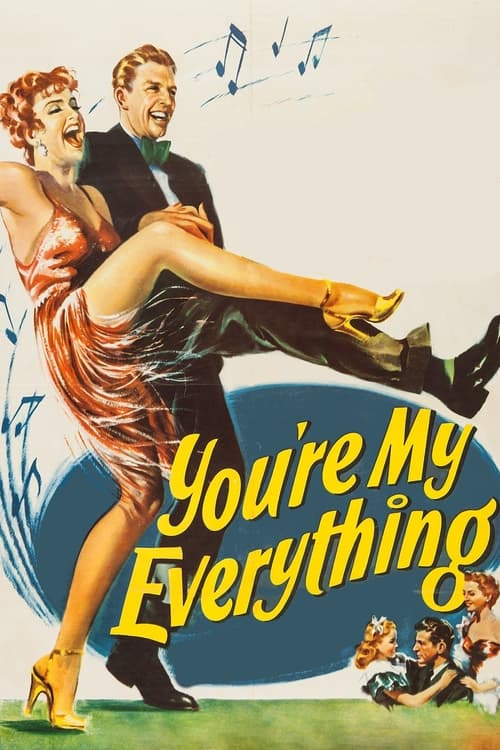
You're My Everything
1949
No user ratings available yet
Representation score: 1.1 out of 10
Representation Score
Fair
1929
PassedDirector
Rouben Mamoulian
Runtime
80 minutes
Average Rating
No ratings yetNew Showbiz Analysis
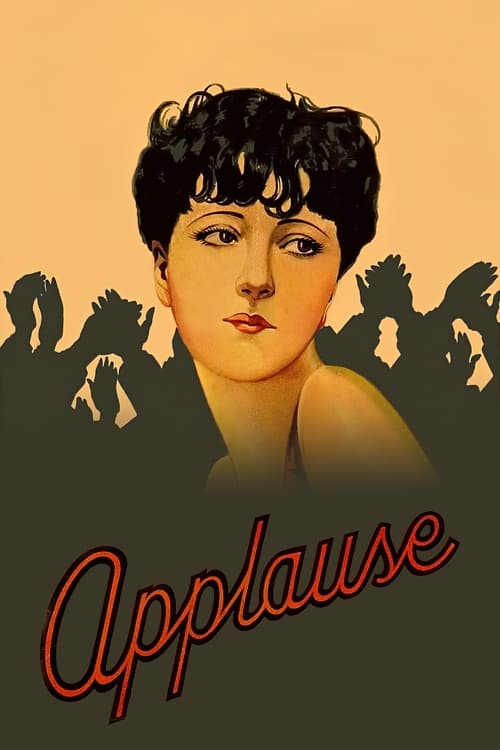
Mamoulian's film centers on female professional ability to act, providing a nuanced look at career autonomy and maternal influence. However, the production is limited by the demographic norms of the 1920s, lacking racial, ethnic, or LGBTQ+ representation. The film celebrates theatrical spectacle and individual ambition without engaging in systemic social critique.
Category Breakdown
The film follows the social norms of the late 1920s and does not include any non-traditional gender identities or same-sex relationships.
Kitty Darling's professional journey is central to the plot, challenging the static portrayal of women by highlighting her intellect and career autonomy.
The cast and setting reflect the homogeneous demographics of the 1920s Broadway stage, lacking visible racial or ethnic diversity.
The film operates within traditional Western entertainment values, focusing on theatricality rather than critiquing social or economic structures.
The characters are defined by their professional status and romantic relationships, with no representation of individuals with visible or invisible disabilities.
Present on Screen
Limited or Absent
Official Synopsis
This early example of the "backstage" musical genre tells the story of Kitty Darling, a fading burlesque star who tries to save her convent-educated daughter April from following in mom's footsteps.
1949

1933
1947
1936
1928
1937
1930
1948
No reviews yet. Be the first to share your thoughts on this movie!
Use the rating form above to leave a star rating and optional review.