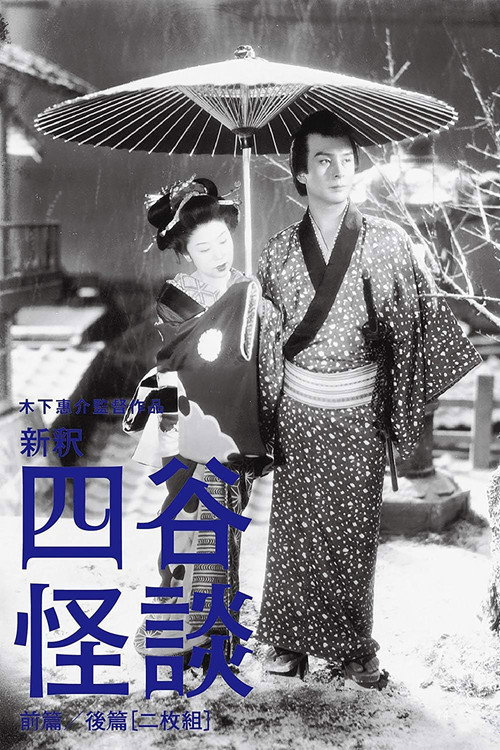
Yotsuya Ghost Story Part 2
1949
No user ratings available yet
Representation score: 2.7 out of 10
Representation Score
Limited
1949
Director
Keisuke Kinoshita
Runtime
85 minutes
Average Rating
No ratings yetNew Showbiz Analysis
Keisuke Kinoshita’s horror classic employs supernatural elements to examine the rigid social and domestic structures of the Edo period. While grounded in traditional historical clichés, the film gains depth by challenging the power dynamics between its main characters. The film excels in its critique of class and gendered authority. By evolving a passive character into a force of retribution, the story questions the stability of masculine leadership and traditional marital roles. However, the film’s historical context limits its diversity. The absence of LGBTQ+ representation and the lack of diverse casting prevent it from achieving a higher score despite its thematic complexity.
Category Breakdown
The film centers on a traditional marriage where infidelity is a key plot point. It does not include any characters with non-binary gender identities or same-sex relationships.
The story challenges traditional gender roles by showing a woman's transformation from a submissive wife to a powerful avenging spirit. This shift highlights her growing strength and independence.
The cast is made up of actors representing a single ethnic background, fitting the historical Edo period setting. The film does not feature characters from different racial backgrounds or non-Western casting.
The narrative critiques the corruption within the samurai class and the erosion of traditional societal norms. It uses supernatural elements to explore themes of moral ambiguity and societal decay.
The film does not include any characters with visible or invisible disabilities that play a central role in the narrative.
Present on Screen
Limited or Absent
Official Synopsis
Iemon Tamiya is an impoverished masterless samurai who craves a better life, which he cannot have because of his marriage to Oiwa, who is completely devoted to her husband.
1949
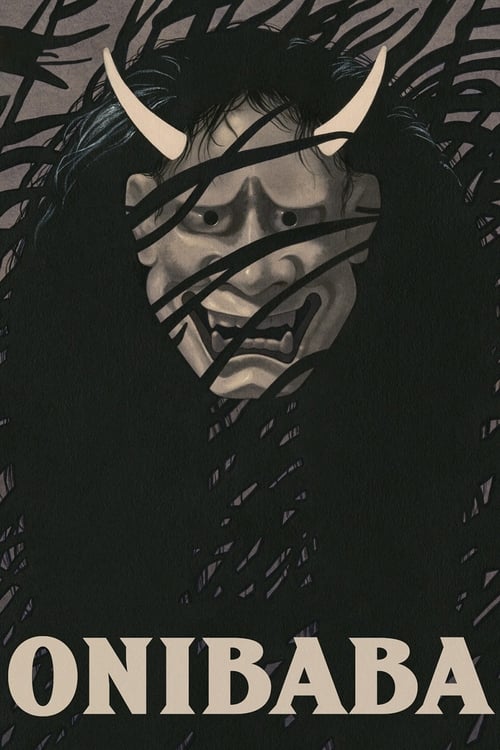
1964
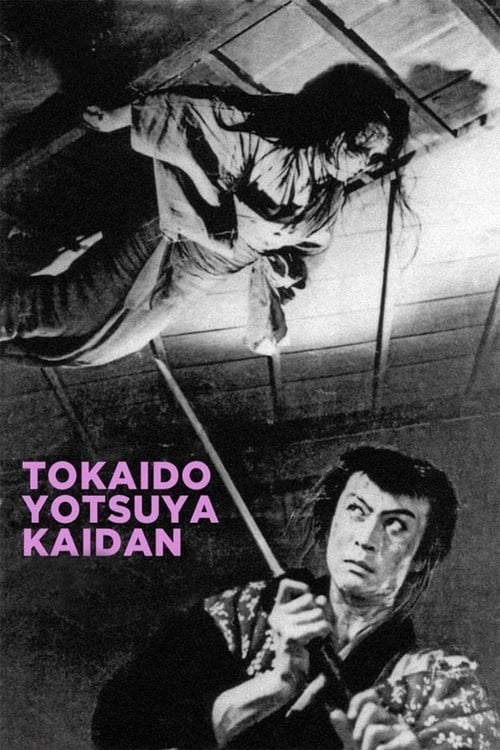
1959

1926
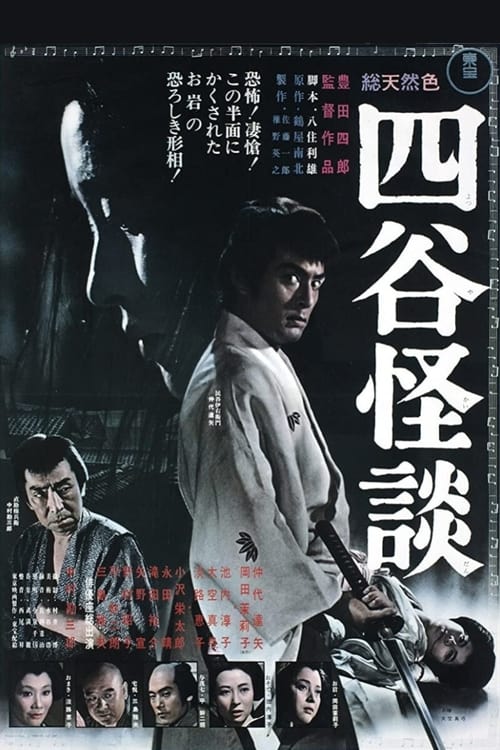
1965
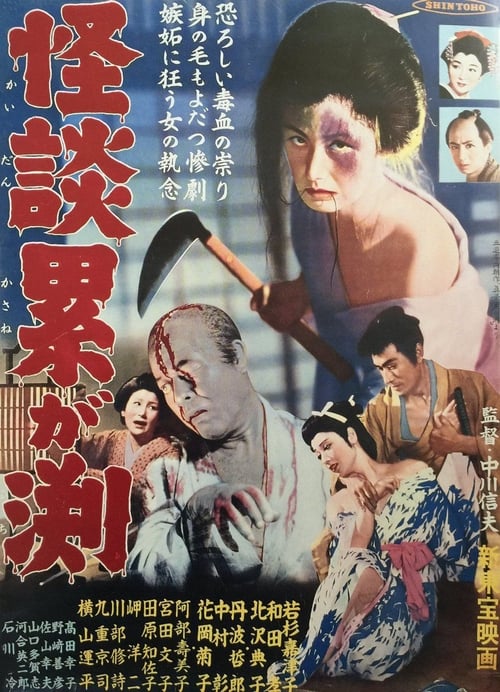
1957
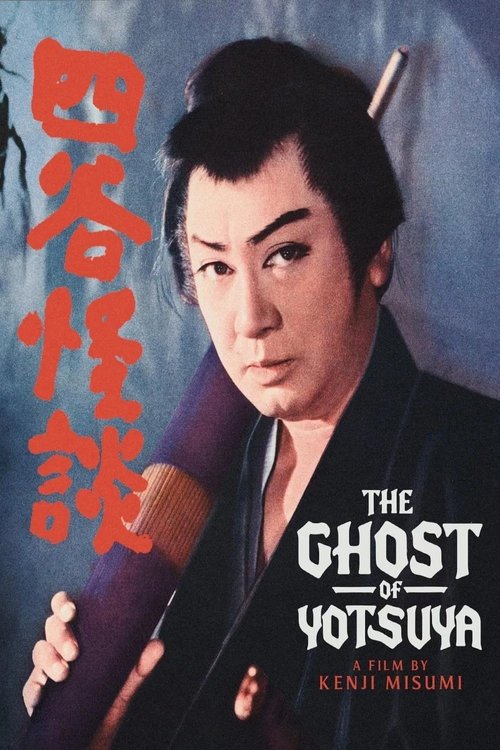
1959
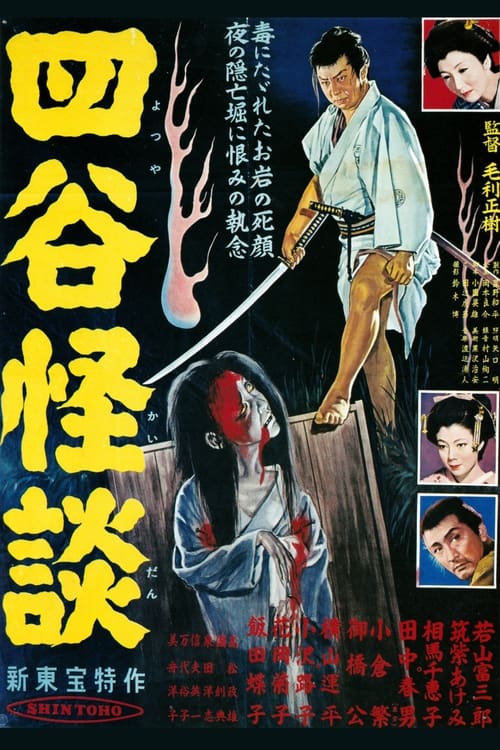
1956
No reviews yet. Be the first to share your thoughts on this movie!
Use the rating form above to leave a star rating and optional review.