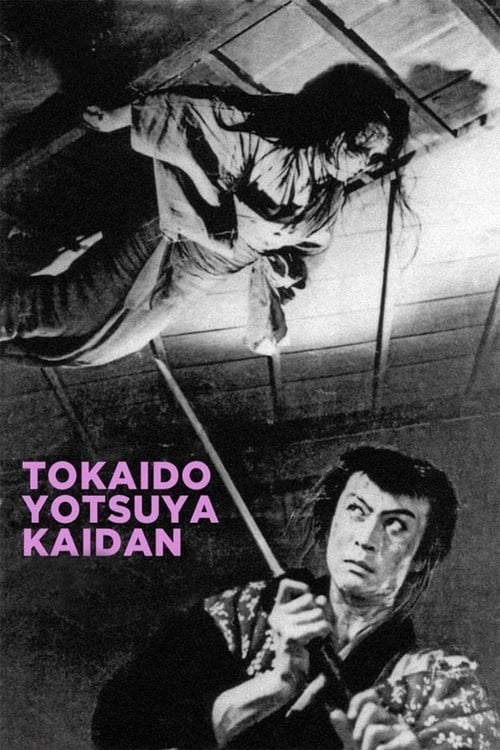
Ghost Story of Yotsuya
1959
No user ratings available yet
Diversity score: 4.4 out of 10

1968
Not RatedDirector
Nobuo Nakagawa
Runtime
85 minutes
Average Rating
No ratings yetSynopsis
An old man dies of heartbreak when a cruel landlord is about to repossess his land. The old man haunts the landlord from the grave. Since the man died in debt, his wife and daughter are indentured servants and are forced to work in the landlord's factory.
Overall Score
Limited
Category Breakdown
LGBTQ+ Representation
The film offers no evidence of non-heteronormative identities. The narrative focus remains strictly on the familial unit and the struggle against class oppression.
Gender Representation
The story centers on the plight of a wife and daughter forced into labor. Their experiences highlight the vulnerability of women within rigid, oppressive social structures.
Racial & Ethnic Diversity
As a Japanese production, the film features a culturally homogeneous cast. It centers on indigenous social dynamics rather than following Western cinematic tropes.
Religious & Cultural Diversity
The narrative critiques traditional concepts of property and hierarchy. It portrays institutionalized greed and the corruption of social stability through the lens of indentured servitude.
Disability Representation
There is no evidence of characters with visible or invisible disabilities. No such characters serve as central narrative drivers in the story.
Strengths
Areas for Improvement
AI Analysis
Snake Woman's Curse functions as a critique of class-based oppression and systemic cruelty. The supernatural elements serve to address the grievances of the disenfranchised against a predatory landlord. The film's strength lies in its subversion of traditional morality. By framing the landlord's pursuit of land as a source of trauma, the story challenges the legitimacy of property ownership and capital accumulation. However, the film lacks modern intersectional markers. There is no representation of LGBTQ+ identities or characters with disabilities, which limits its diversity profile.
1959
1957

1958
1949

1973
2008

1964
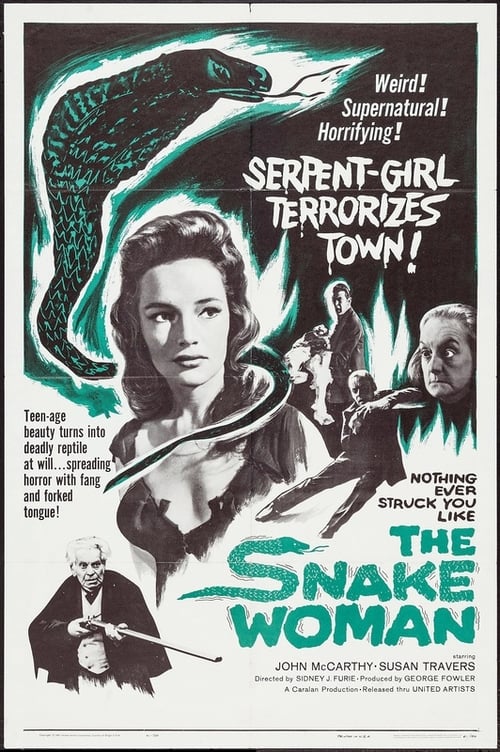
1961
1949

1968

2001

2014
No reviews yet. Be the first to share your thoughts on this movie!
Use the rating form above to leave a star rating and optional review.