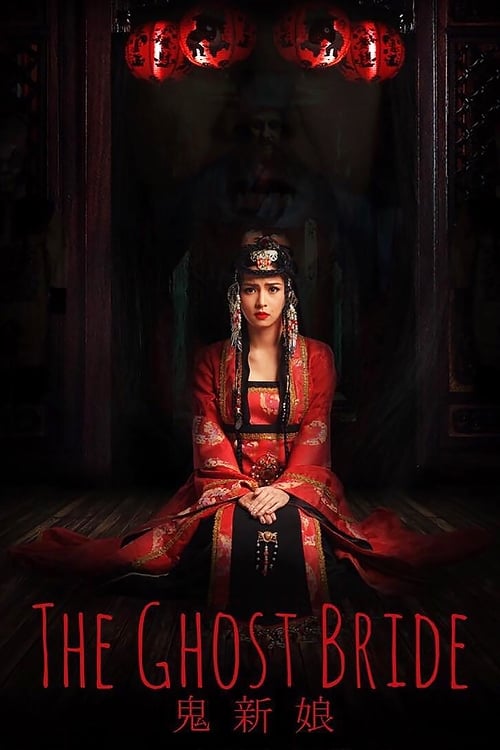
The Ghost Bride
2017
No user ratings available yet
Diversity score: 5.4 out of 10

1957
Director
Toshikazu Kono
Runtime
45 minutes
Average Rating
No ratings yetSynopsis
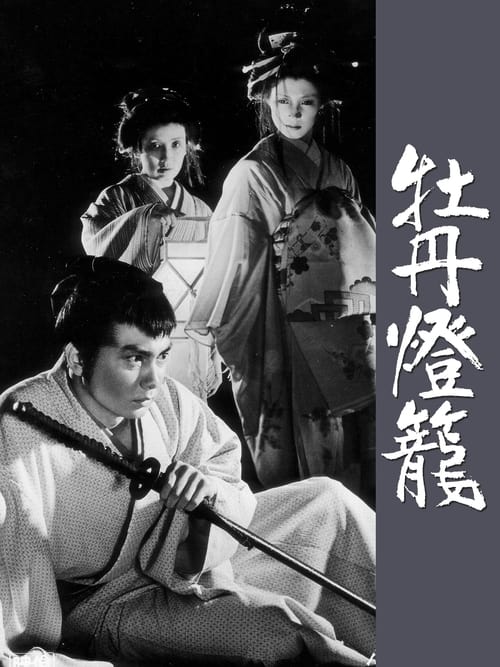
Harima Aoyama (Chiyonosuke Azume) was a young hatamoto (samurai bannerman) to the Shogun. He seduced his commoner house maid Okiku (Hibari). He promised that his love was no passing infatuation & she would never suffer for it. She resisted his charms for some while knowing full well that they are of classes that do not intermarry, but in time he broke down her resistance, for how could she help but love him. Political expedience puts the young hatamoto in the way of a marriage with a woman of his own station. This will cement family connections & see his family safely through a crisis, at a time when many clans were finding themselves abolished on any pretext.
Overall Score
Fair
Category Breakdown
LGBTQ+ Representation
The film lacks explicit depictions of non-heteronormative identities or same-sex intimacy. The central plot focuses entirely on a heterosexual romance between a samurai and a commoner.
Gender Representation
The story centers the emotional weight on Okiku, the female protagonist. While the male lead holds systemic power, the narrative is driven by the consequences of his betrayal and her emotional agency.
Racial & Ethnic Diversity
The production features a culturally homogeneous cast consistent with its Japanese historical setting. It functions as a culturally specific narrative rather than an intersectional or Western-centric one.
Religious & Cultural Diversity
The film critiques traditional institutions by portraying the rigid class system and arranged marriages as oppressive. It frames political expedience as a corrupt force that destroys human connection.
Disability Representation
There is no information regarding characters with visible or invisible disabilities within the narrative.
Strengths
Areas for Improvement
AI Analysis
Ghost in the Well is a period horror that uses its setting to critique the cruelty of social hierarchies. The film's strength lies in its subversion of the honorable samurai archetype, presenting systemic class structures as the true antagonist. However, the film remains limited by its lack of queer representation and its culturally homogeneous cast. While it offers a deep critique of Japanese social orders, it does not explore intersectional identities or disability. Ultimately, the film succeeds as a moral critique of the Shogunate's social order, even if it stays within traditional demographic boundaries.
2017
2019
2008
1968
1965
1949
1956

2014
1949

1982

1969
1968
No reviews yet. Be the first to share your thoughts on this movie!
Use the rating form above to leave a star rating and optional review.