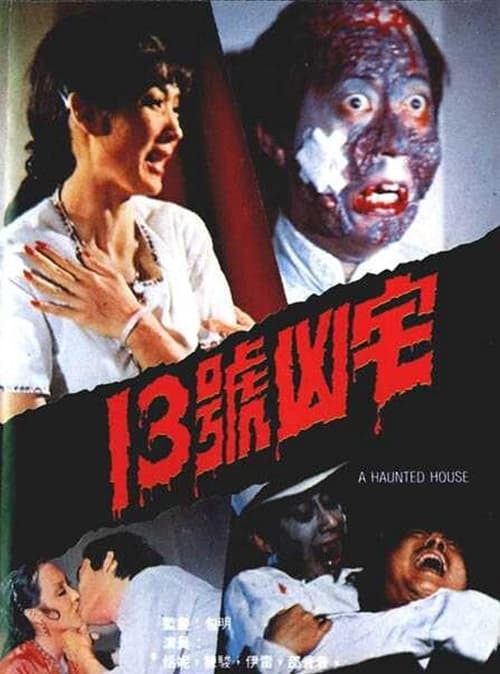
A Haunted House
1975
No user ratings available yet
Representation score: 5.4 out of 10
Representation Score
Limited
1982
Director
Hsin Yen
Runtime
80 minutes
Average Rating
No ratings yetNew Showbiz Analysis
Ghost Stories (1982) functions as a standard genre piece that adheres strictly to the cinematic and social constraints of its era. The film prioritizes folklore and supernatural retribution over progressive narrative structure. While the film provides a culturally specific experience through its East Asian cast and traditional storytelling, it lacks characters who reflect more than one aspect of diversity. The characters largely inhabit conventional roles that reinforce existing social and gendered frameworks rather than challenging them. Ultimately, the work serves as a period-accurate example of regional horror, focusing on genre clichés rather than systemic critique or diverse representation.
Category Breakdown
The film does not show any explicit representations of LGBTQ+ identities or same-sex relationships. Instead, it relies on traditional romantic or supernatural themes common to the 1980s.
Female characters often play roles defined by victimhood or domesticity. There is little evidence of women challenging patriarchal hierarchies or demonstrating significant influence beyond traditional roles.
The cast is predominantly East Asian, reflecting the regional context of its production. This maintains a culturally specific homogeneity typical of the era's cinema.
The narrative leans on traditional folklore and moralistic storytelling. These structures often reinforce singular moralities rather than offering a critique of social institutions.
There is no verifiable evidence regarding the inclusion of characters with physical or neurodivergent disabilities.
Present on Screen
Limited or Absent
1975
2019
1994
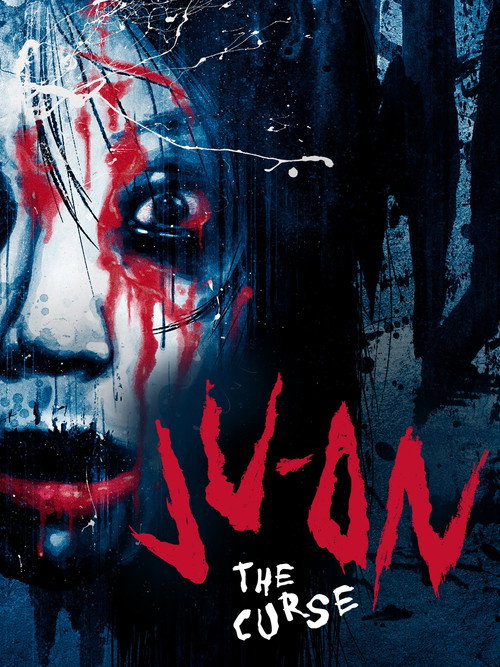
2000
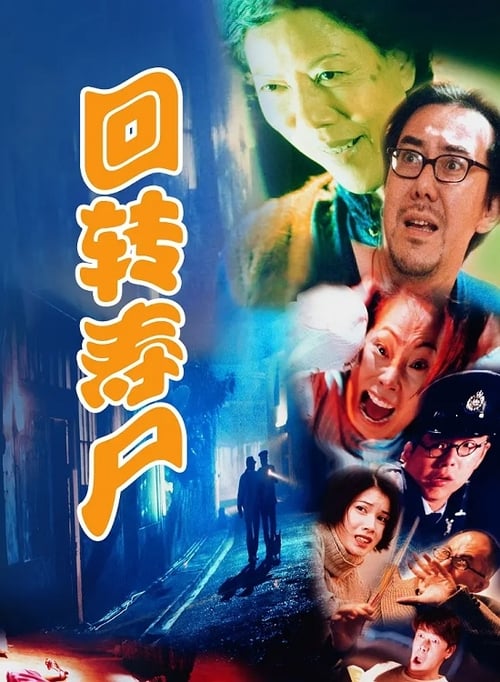
1997
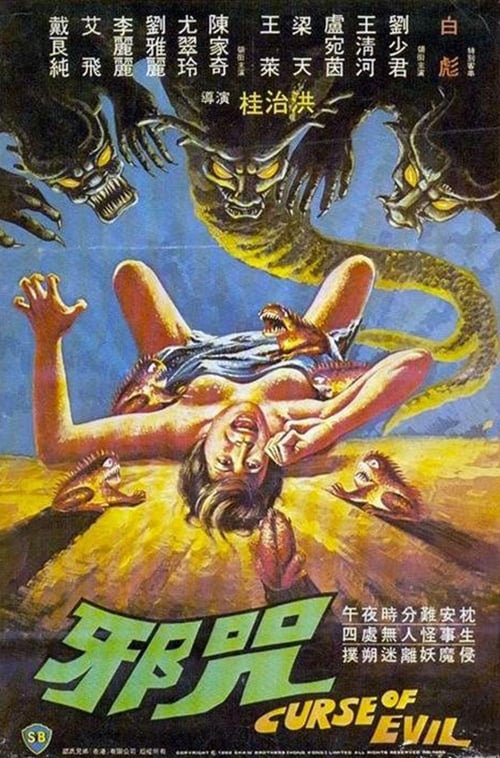
1982
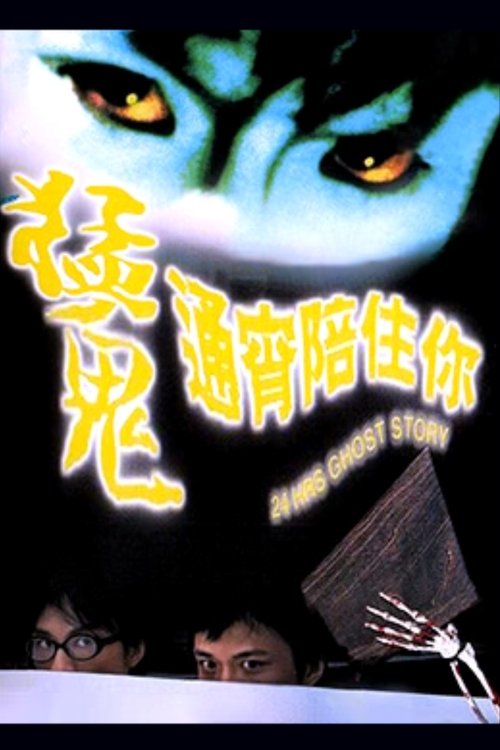
1997
1985
No reviews yet. Be the first to share your thoughts on this movie!
Use the rating form above to leave a star rating and optional review.