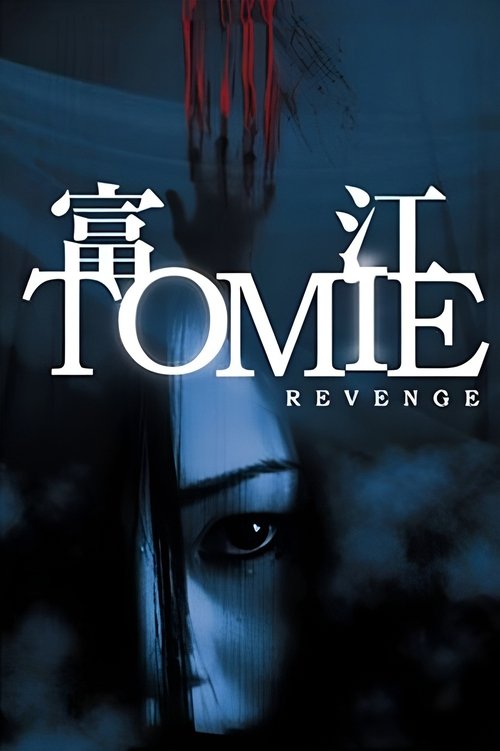
Tomie: Revenge
2005
No user ratings available yet
Representation score: 4.9 out of 10
Representation Score
Limited
2001
Director
Norio Tsuruta
Runtime
86 minutes
Average Rating
No ratings yetNew Showbiz Analysis
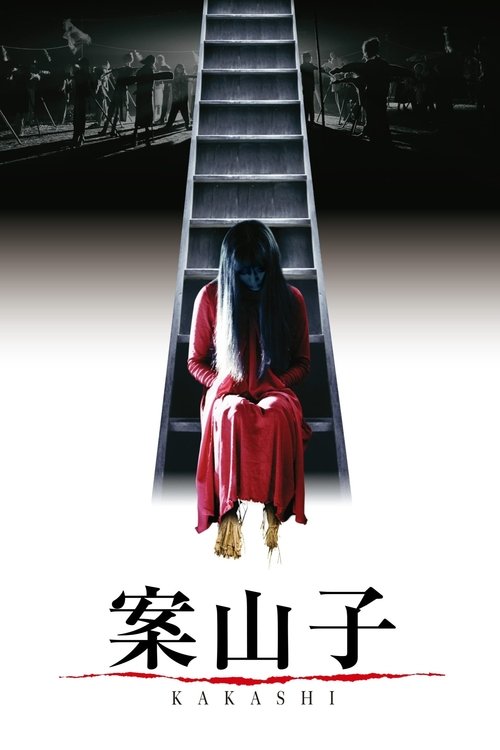
Kakashi is a psychological horror film that delves into social exclusion through the lens of a closed community. Despite lacking LGBTQ+ representation, it benefits from its ethnic diversity and female-led storyline. The film employs the 'unwelcoming village' cliché to explore the tension between personal freedom and traditional structures. This results in a narrative focused on displacement and the struggle of being an outsider. Overall, Kakashi operates as a conventional genre piece. It offers some diversity through its casting and protagonist, but fails to deeply challenge traditional structures or provide multi-layered character development.
Category Breakdown
The film does not include any characters with LGBTQ+ identities or same-sex relationships. The main conflict revolves around family search and community hostility.
Kaoru is a strong female lead who drives the plot forward. However, she ends up in a vulnerable position within the village.
Sally, a Chinese girl, adds ethnic diversity to the rural Japanese setting, providing a contrast to a traditionally homogeneous cast.
The story looks at the tension between modern individual ability to act and traditional social norms. The village's hostility highlights the clash between outsiders and community traditions.
There are no characters with visible or invisible disabilities in the narrative.
Present on Screen
Limited or Absent
Official Synopsis
The search for her vanished brother Tsuyoshi leads Kaoru to the lonesome village Kozukata in the Japanese back-land. The locals react repelling to her, which the exception of the Chinese girl Sally. As her car breaks down Kaoru is trapped in the village; will she have to repay for something she has done in the past?
2005

1964
2019
2000

1999

2016

2014
2020
No reviews yet. Be the first to share your thoughts on this movie!
Use the rating form above to leave a star rating and optional review.