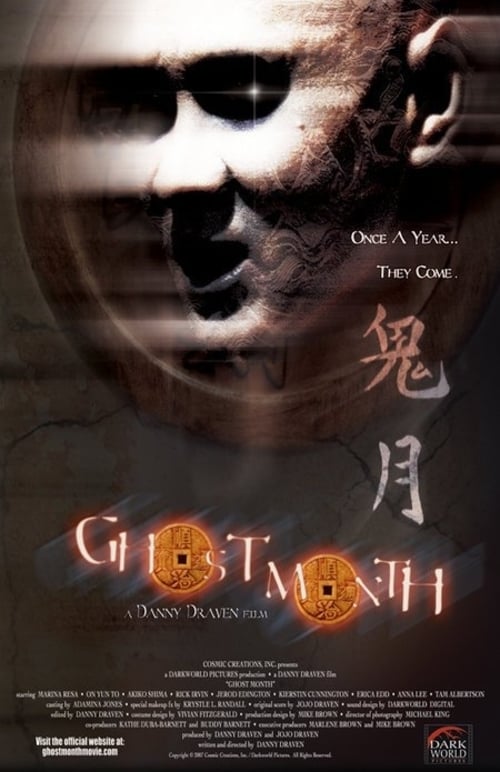
Ghost Month
2009
No user ratings available yet
Diversity score: 4.8 out of 10
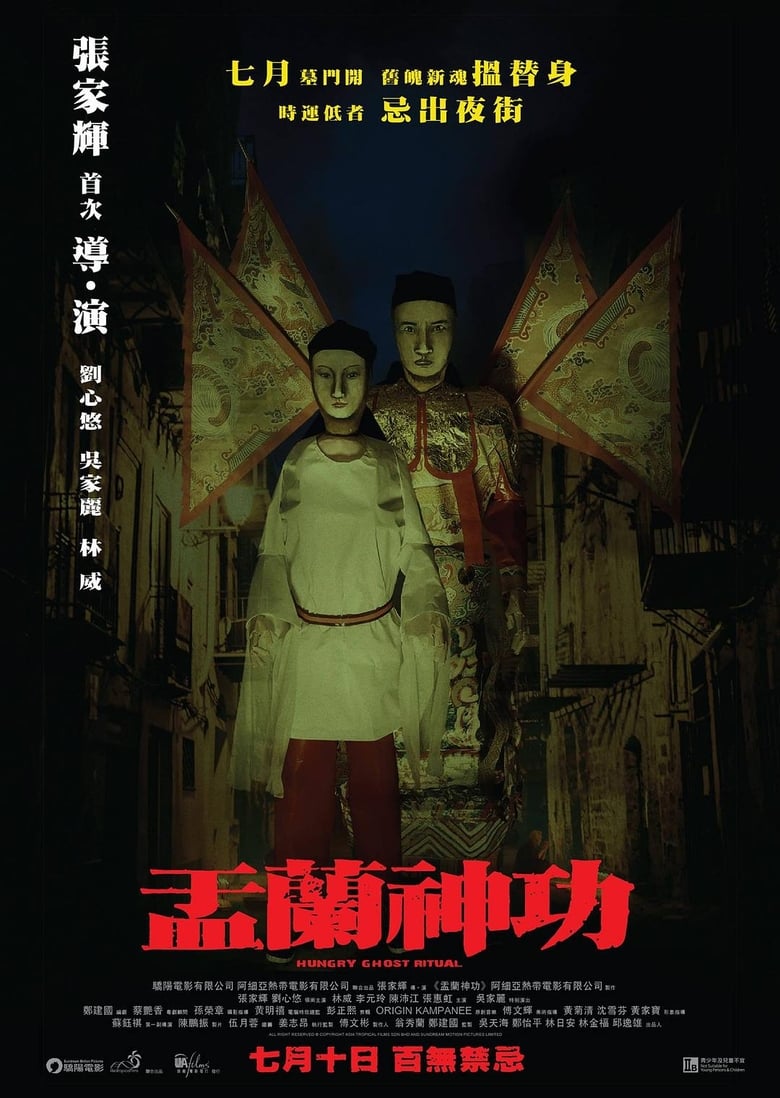
2014
Director
Nick Cheung Ka-Fai
Runtime
82 minutes
Average Rating
No ratings yetSynopsis
After incurring debts from his failed business venture in China, Zong Hua (Cheung) returns to Malaysia after a decade's hiatus. The demoralised Zong Hua faces problems finding a job and tries hard to get used to things at home, including his estranged relationship with his step-father, Xiaotian, who runs a Cantonese opera troupe, and half-sister, Jing Jing (Cathryn Lee). Jing Jing is hostile towards Zong Hua as she always has the impression that the death of their mother was caused by the excessive fights between Zong Hua and his step-father.
Overall Score
Fair
Category Breakdown
LGBTQ+ Representation
The film lacks LGBTQ+ characters or themes exploring non-heteronormative identities. Central conflicts remain rooted in traditional familial and step-familial dynamics.
Gender Representation
Female characters like Jing Jing drive emotional stakes through their hostility toward the protagonist. However, the narrative relies on established tropes of domestic conflict without subverting gender hierarchies.
Racial & Ethnic Diversity
The story centers a Cantonese-speaking diaspora experience within a Malaysian setting. This focus on specific ethnic identities and localized customs disrupts a Western-centric gaze.
Religious & Cultural Diversity
The film engages with Chinese cultural traditions, such as Cantonese opera and Hungry Ghost rituals. It avoids idealized family depictions, focusing instead on the complexities of step-parentage.
Disability Representation
There is no mention of characters navigating physical, neurodivergent, or mental health disabilities within the narrative.
Strengths
Areas for Improvement
AI Analysis
Hungry Ghost Ritual succeeds in providing a specific regional identity by grounding its horror in Cantonese folklore and the Southeast Asian diaspora. It avoids sanitized domesticity, instead using the Hungry Ghost motif to explore the trauma of a fractured step-family. While the film offers strong cultural specificity, it lacks diversity in terms of LGBTQ+ representation and disability. The gender dynamics, while emotionally charged, largely follow traditional domestic conflict tropes rather than deconstructing them.
2009
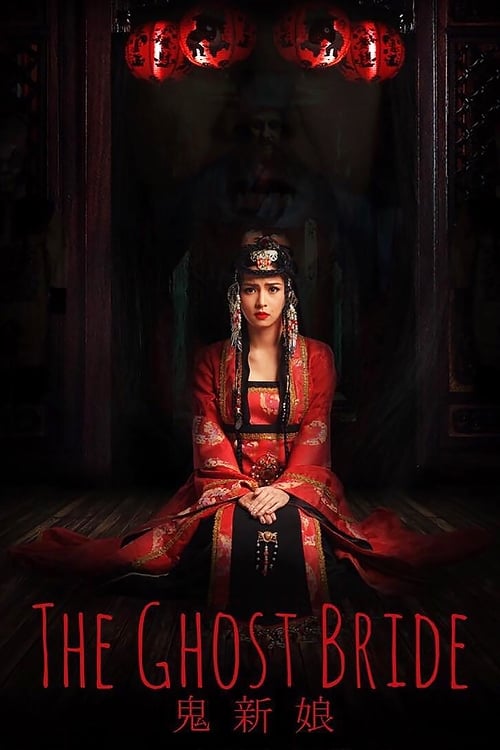
2017
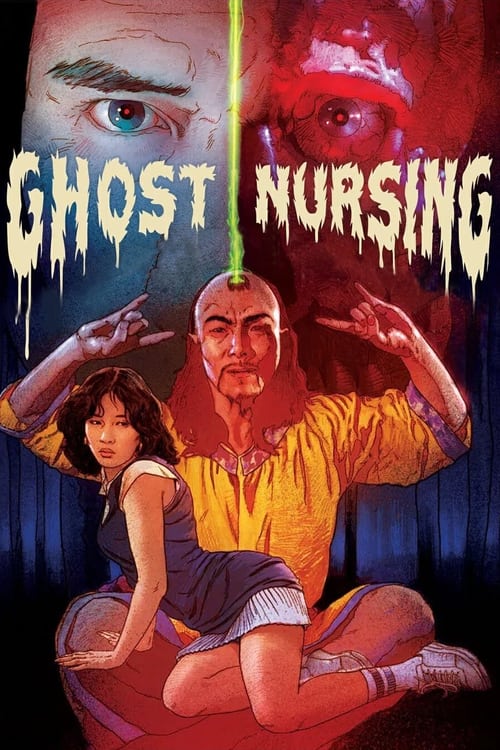
1982

2013
1987
2007
2025
2019
1992
2007

2004
1982
No reviews yet. Be the first to share your thoughts on this movie!
Use the rating form above to leave a star rating and optional review.