Au Revoir les Enfants
1987
No user ratings available yet
Diversity score: 5.7 out of 10
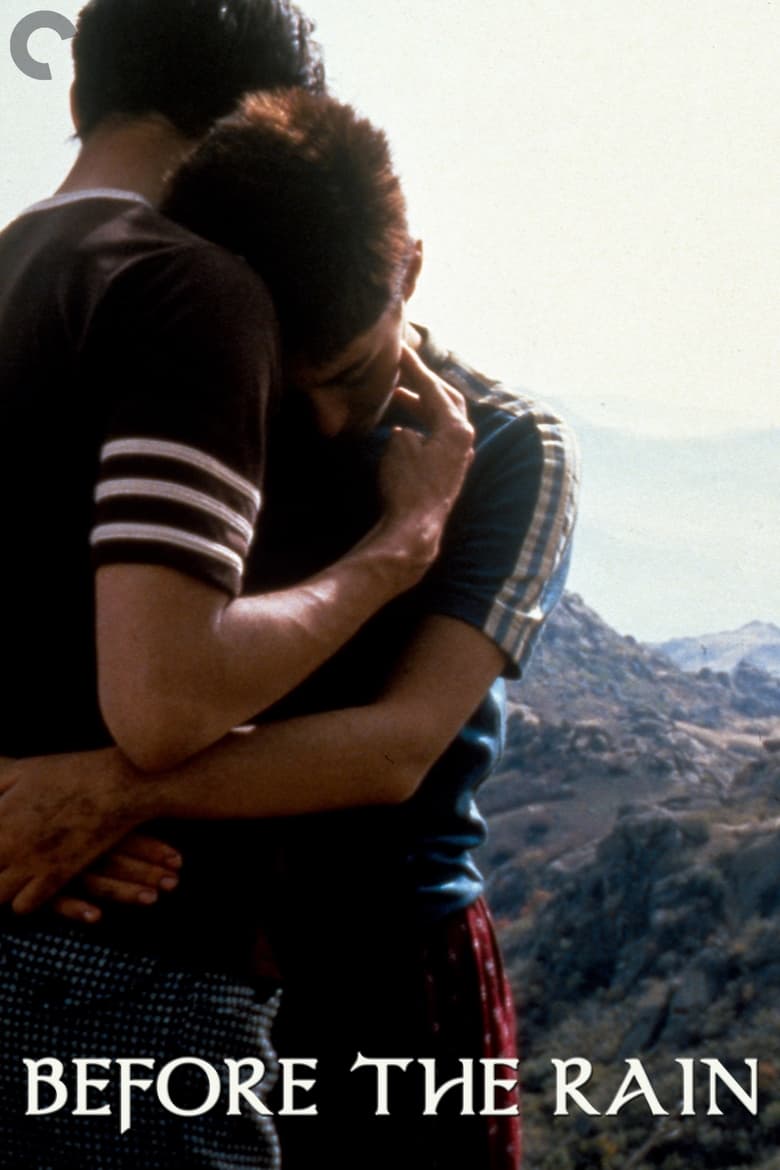
1994
NRDirector
Milcho Manchevski
Runtime
113 minutes
Average Rating
No ratings yetSynopsis
The circularity of violence seen in a story that circles on itself. In Macedonia, during the war in Bosnia, Christians hunt an ethnic Albanian girl who may have murdered one of their own. A young monk who's taken a vow of silence offers her protection. In London, a photographic editor who's pregnant needs to talk it out with her estranged husband and chooses a toney restaurant.
Overall Score
Fair
Category Breakdown
LGBTQ+ Representation
The film lacks LGBTQ+ characters or narratives. Interpersonal dynamics focus on traditional romantic and familial connections without exploring non-heteronormative identities.
Gender Representation
Women serve as central emotional catalysts, such as the pregnant editor and the Albanian girl. However, their agency is often limited by patriarchal social structures and male-driven violence.
Racial & Ethnic Diversity
The film provides a nuanced look at ethnic friction, specifically between Macedonians and ethnic Albanians. It avoids monolithic depictions, using identity as a source of tragic narrative tension.
Religious & Cultural Diversity
Traditional institutions like religious vows and tribal honor are depicted in constant friction with war. The film critiques the intersection of Western perspectives and Balkan realities.
Disability Representation
There is no intentional focus on visible or invisible disabilities. While the film explores psychological trauma, disability is not a primary narrative driver.
Strengths
Areas for Improvement
AI Analysis
Milcho Manchevski’s debut is a sophisticated meditation on systemic instability and ethnic friction. It succeeds by deconstructing the hero archetype, replacing it with characters trapped in the machinery of cultural tradition and violence. The film's strength lies in its ethnic complexity and its refusal to present a simple good-versus-evil morality. By focusing on the tensions of identity and the subjectivity of truth, it disrupts standard Western narrative expectations. However, the work operates within a patriarchal framework and lacks representation for LGBTQ+ identities. While it explores human suffering, it does not specifically address disability as a central character trait.
1987
1989

1985
2015
1967
2014
1996
2006
2015

1971
2009

2018
No reviews yet. Be the first to share your thoughts on this movie!
Use the rating form above to leave a star rating and optional review.