
Indian Uprising
1952
No user ratings available yet
Diversity score: 1.9 out of 10
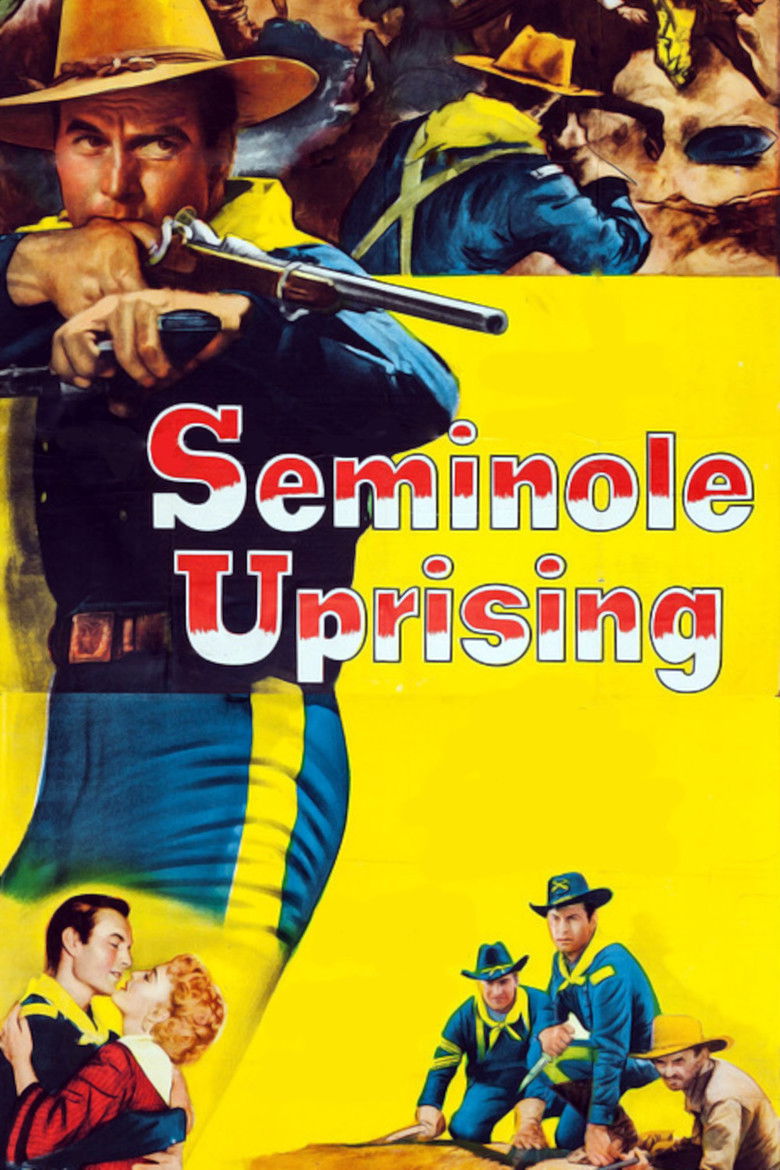
1955
NRDirector
Earl Bellamy
Runtime
74 minutes
Average Rating
No ratings yetSynopsis
An angry Seminole chief wages war after his tribe is relocated from Florida to the American West.
Overall Score
Limited
Category Breakdown
LGBTQ+ Representation
The film follows a traditional heteronormative framework. The central romantic tension relies on a conventional love triangle between a male protagonist, a female character, and a male antagonist.
Gender Representation
Gender hierarchies reflect 1950s Western tropes. The female lead acts primarily as a catalyst for male conflict, while military command and physical confrontations remain exclusively male-dominated roles.
Racial & Ethnic Diversity
The story provides visibility to the Seminole people and their forced relocation. While the leader Black Cat is portrayed with sympathetic depth, the narrative remains centered on the U.S. Cavalry.
Religious & Cultural Diversity
Themes of systemic injustice regarding tribal relocation are present. However, these are framed within a traditional Western moral structure rather than deconstructing the institutional framework of the frontier.
Disability Representation
There is no discernible representation of physical or neurodivergent disabilities within the film's narrative.
Strengths
Areas for Improvement
AI Analysis
Seminole Uprising is a mid-century Western that adheres to established genre tropes. It prioritizes romantic rivalry and individual moral failings over a deep critique of systemic power dynamics. The film offers more nuance than many contemporaries by giving the Seminole leader sympathetic motivations. However, the perspective remains firmly rooted in the U.S. Cavalry's viewpoint. Ultimately, the work functions as a standard period piece, reinforcing traditional masculine leadership and heteronormative social structures common to 1955 cinema.
1952
1950
1961
1953
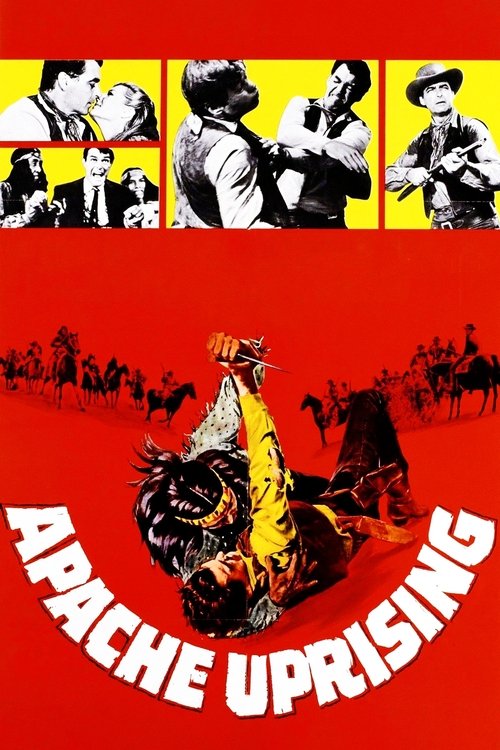
1965
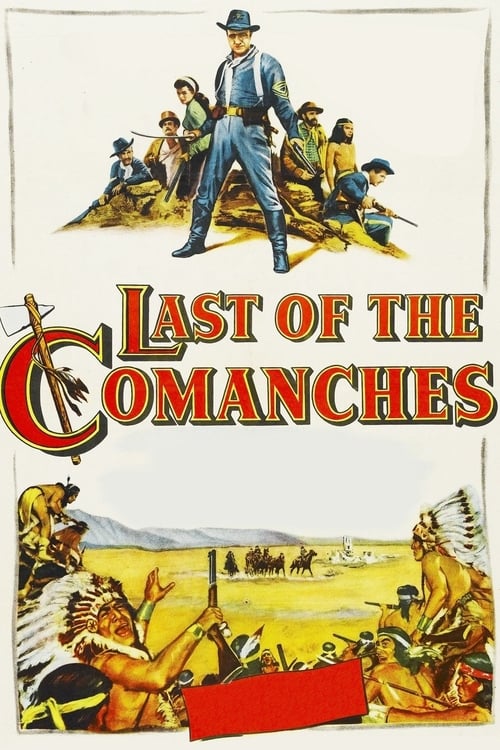
1953
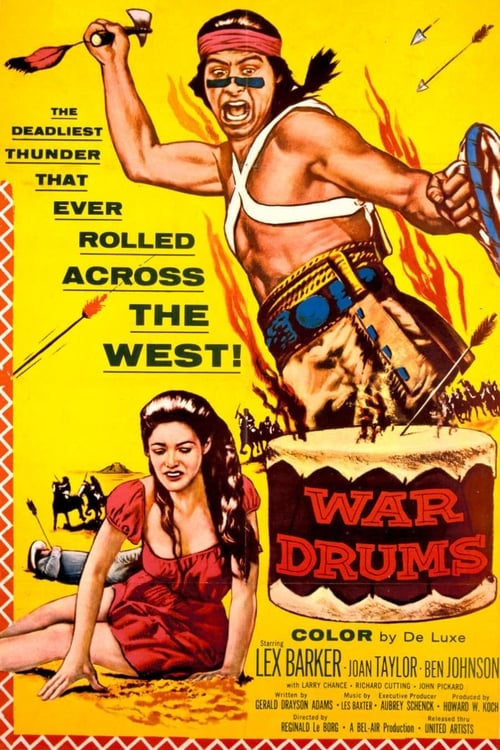
1957
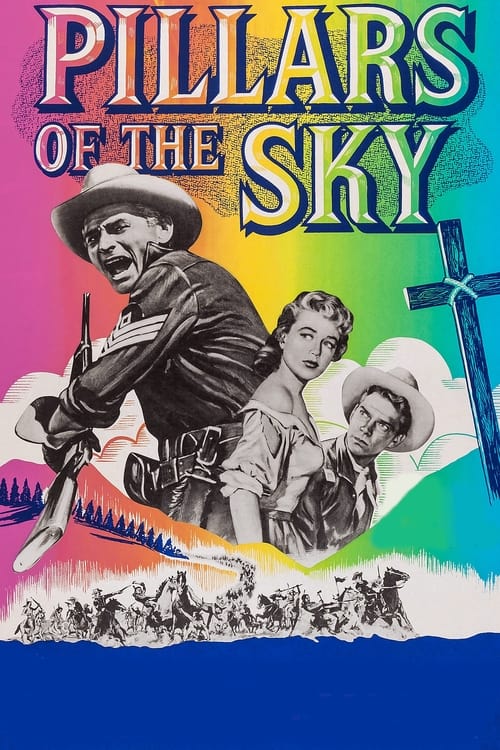
1956
1957
1957
1937
1953
No reviews yet. Be the first to share your thoughts on this movie!
Use the rating form above to leave a star rating and optional review.