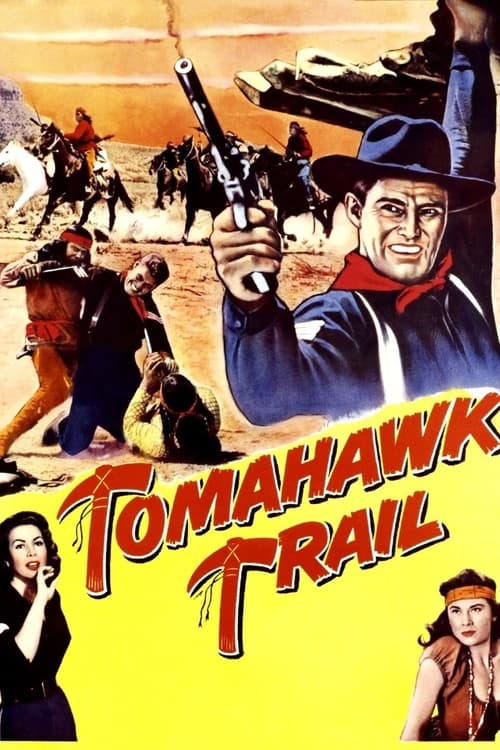
Tomahawk Trail
1957
No user ratings available yet
Diversity score: 1.3 out of 10

1954
NRDirector
Lesley Selander
Runtime
82 minutes
Average Rating
No ratings yetSynopsis
When the army insists on building a fort on Indian land, in defiance of a treaty, the warnings of a scout go unheeded.
Overall Score
Limited
Category Breakdown
LGBTQ+ Representation
The film adheres to the strict heteronormative codes of the 1954 studio system. There is no evidence of LGBTQ+ characters or non-heteronormative narratives within the story.
Gender Representation
The narrative focuses on masculine leadership and physical agency through military conflict. Female characters appear relegated to passive roles, such as domestic figures or romantic interests.
Racial & Ethnic Diversity
While the plot addresses treaty violations and Indigenous land rights, characters often serve as obstacles to expansionism. The film lacks deep, intersectional agency for Indigenous populations.
Religious & Cultural Diversity
The story is rooted in traditional American frontier myths and institutional frameworks. It prioritizes patriotic, frontier-focused storytelling over modern moral relativism or anti-institutional critiques.
Disability Representation
There is no evidence of characters with visible or invisible disabilities in the film's narrative.
Strengths
Areas for Improvement
AI Analysis
The Yellow Tomahawk is a conventional 1950s Western that prioritizes genre tropes over social nuance. It functions as a product of its era, emphasizing military conflict and traditional masculine agency. The film reinforces established social hierarchies rather than challenging them. While it acknowledges systemic grievances regarding treaty violations, it does so through a lens of historical conflict rather than complex character studies. Ultimately, the production lacks the intentionality required for intersectional representation, instead reflecting the standard cinematic norms of the mid-century studio system.
1957
1952
1967
1948
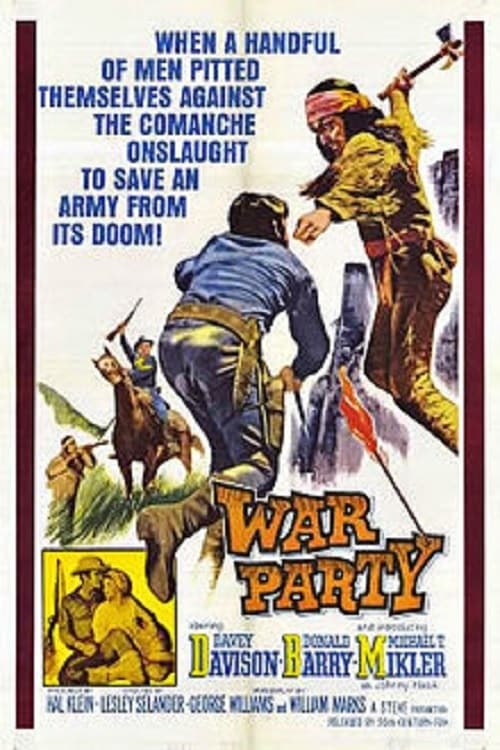
1965
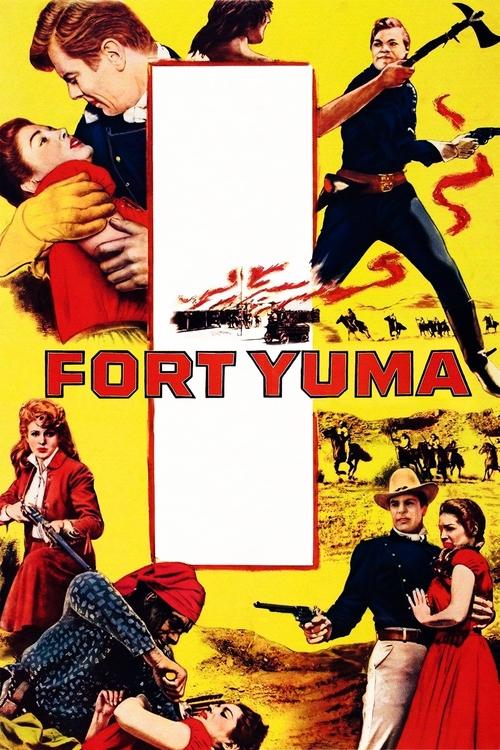
1955
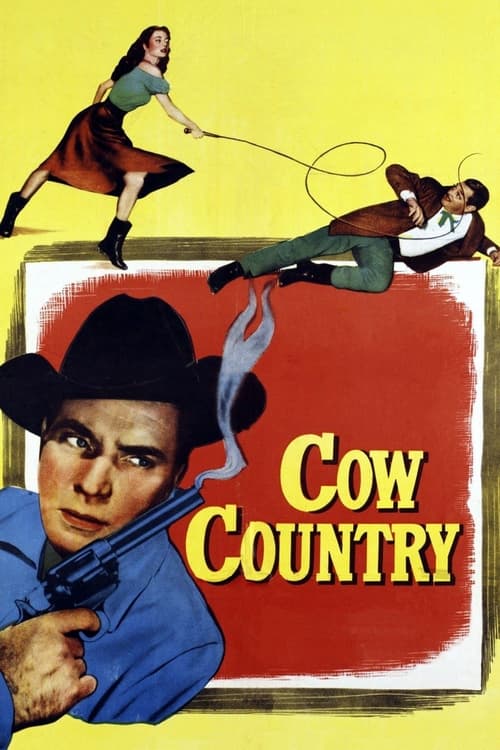
1953
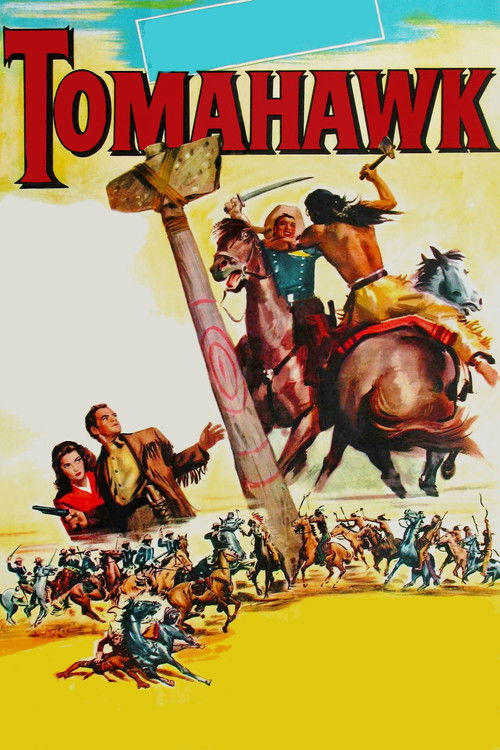
1951
2011
1953
1954
1932
No reviews yet. Be the first to share your thoughts on this movie!
Use the rating form above to leave a star rating and optional review.