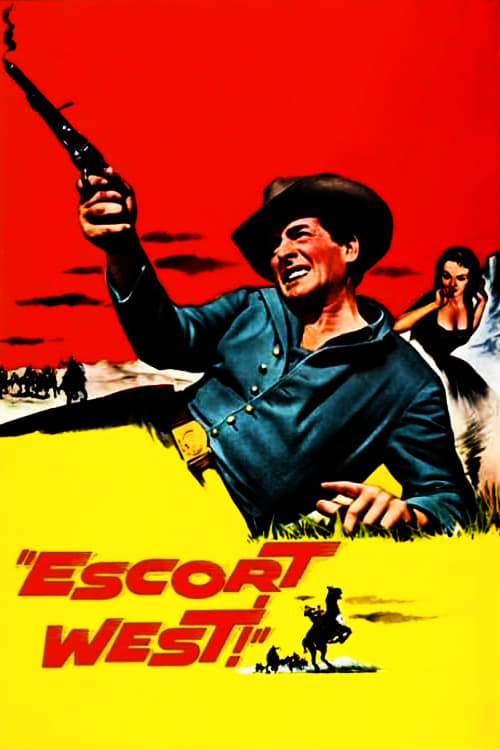
Escort West
1959
No user ratings available yet
Representation score: 0.7 out of 10
Representation Score
Minimal
1957
NRDirector
George Marshall
Runtime
82 minutes
Average Rating
No ratings yetNew Showbiz Analysis
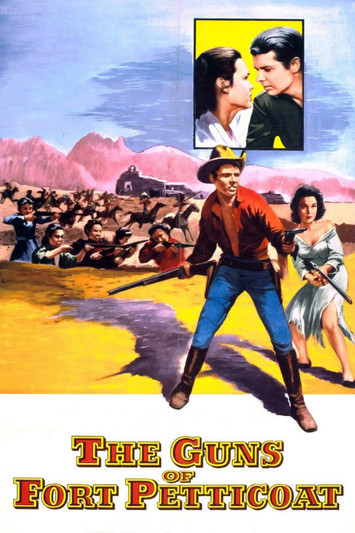
The Guns of Fort Petticoat is a typical mid-century Western that prioritizes traditional narrative structures over modern representations. While the film examines individual morality and conscience within an unjust military system, it does not challenge the established social hierarchy of the time. The movie relies on well-known genre clichés, especially regarding gender and race. It presents a binary worldview where masculine protection and feminine resilience are clearly defined, and indigenous populations are used as plot devices rather than fully developed characters. Overall, the film serves as a classic example of 1950s cinema, upholding colonialist views and conventional social norms while emphasizing the survival of the settler community.
Category Breakdown
The film does not include any LGBTQ+ characters or explore non-straight identities. The social context is strictly centered around straight relationships.
The story follows traditional mid-century gender roles. Women gain some influence by preparing for self-defense, but the male character remains the main leader and decision-maker in military actions.
Native American characters are portrayed mainly as antagonists to create tension in the plot. The narrative adheres to colonialist clichés, presenting indigenous peoples as a threat that settlers must manage.
The film emphasizes the importance of organized defense and the preservation of the settler community. It highlights the legitimacy of established military and settler structures.
The film does not focus on visible or invisible disabilities. Characters are defined by their physical abilities needed for frontier survival.
Present on Screen
Limited or Absent
Official Synopsis
Opposing his commanding officer's decision to attack a group of innocent Indians and wipe them out, Lt. Frank Hewitt leaves his post and heads home to Texas. He knows that the attack will send all of the tribes on the warpath and he wants to forewarn everyone. He gets a chilly reception back home however. With most of the men away having enlisted in the Confederate army Frank, a Union officer, is seen by the local women as a traitor. He convinces them of the danger that lies ahead and trains them to repel the attack that will eventually come.
1959
1959
1965
1970
1957

1949
1972

1950
No reviews yet. Be the first to share your thoughts on this movie!
Use the rating form above to leave a star rating and optional review.