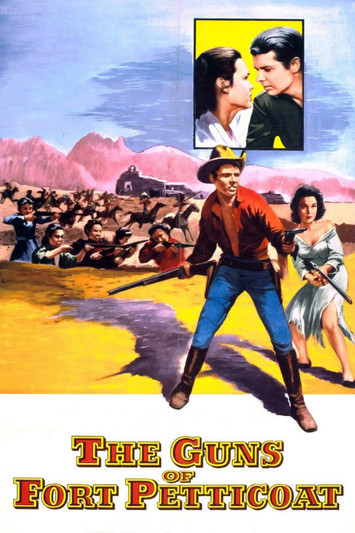
The Guns of Fort Petticoat
1957
No user ratings available yet
Diversity score: 2.9 out of 10
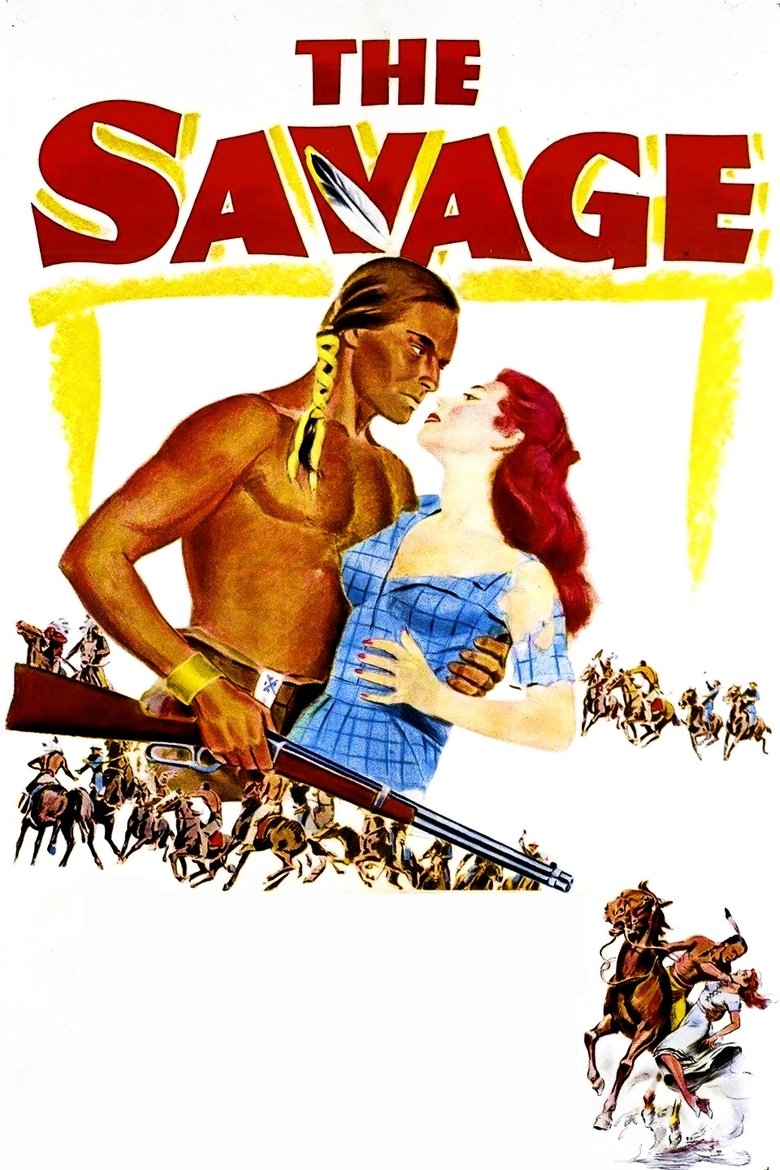
1952
ApprovedDirector
George Marshall
Runtime
95 minutes
Average Rating
No ratings yetSynopsis
The only white survivor of a Crow Indian raid on a wagon train is a young boy. He is rescued by the Sioux, and the Sioux chief raises him as an Indian in very way. Years later, the white men and the Sioux threaten to go to war and the Indian-raised white man is torn between his racial loyalties and his adopted tribe.
Overall Score
Limited
Category Breakdown
LGBTQ+ Representation
The film follows a strictly heteronormative structure typical of its era. No LGBTQ+ characters or non-cisnormative gender expressions appear in the narrative.
Gender Representation
Narrative agency is almost exclusively male-centric, focusing on leadership and physical conflict. Women occupy peripheral roles, serving primarily as catalysts for male emotional arcs.
Racial & Ethnic Diversity
The story explores cultural identity through a white protagonist raised by the Sioux. While it provides significant screen time to Native characters, it centers the white experience.
Religious & Cultural Diversity
The film operates within traditional 1950s Western frameworks. It focuses on the clash between frontier law and tribal customs without deconstructing Western institutions.
Disability Representation
There are no prominent depictions of physical or neurodivergent disabilities. Characters are defined by survivalist capabilities and cultural affiliations.
Strengths
Areas for Improvement
AI Analysis
The Savage functions as a mid-century study of identity through the 'nature vs. nurture' trope. By centering a white man caught between Sioux and settler loyalties, the film offers more cultural immersion than many contemporary Westerns. However, the film remains tethered to traditional hierarchies. It lacks intersectional complexity and fails to subvert the patriarchal or Anglo-centric perspectives that define the genre's standard tropes. Ultimately, the film explores the tension of dual loyalties without offering a critique of systemic power dynamics or providing meaningful representation for women or LGBTQ+ individuals.
1957
1950

1953
1987

1950
1956
No reviews yet. Be the first to share your thoughts on this movie!
Use the rating form above to leave a star rating and optional review.