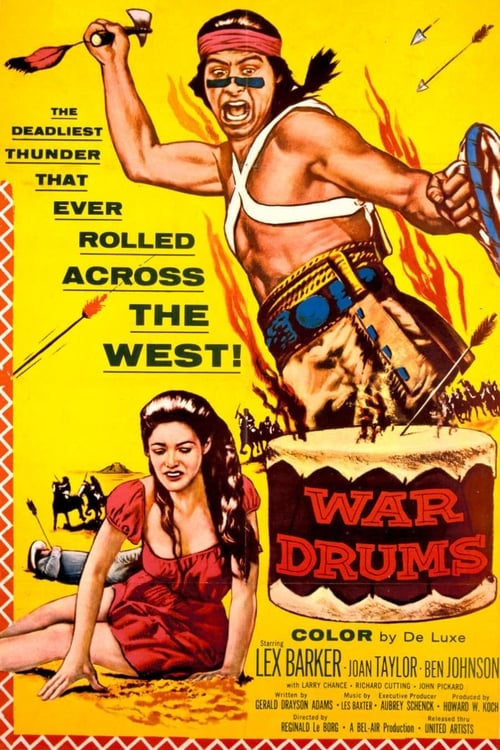
War Drums
1957
No user ratings available yet
Diversity score: 2.5 out of 10
1951
NRDirector
William Cameron Menzies
Runtime
87 minutes
Average Rating
No ratings yetSynopsis
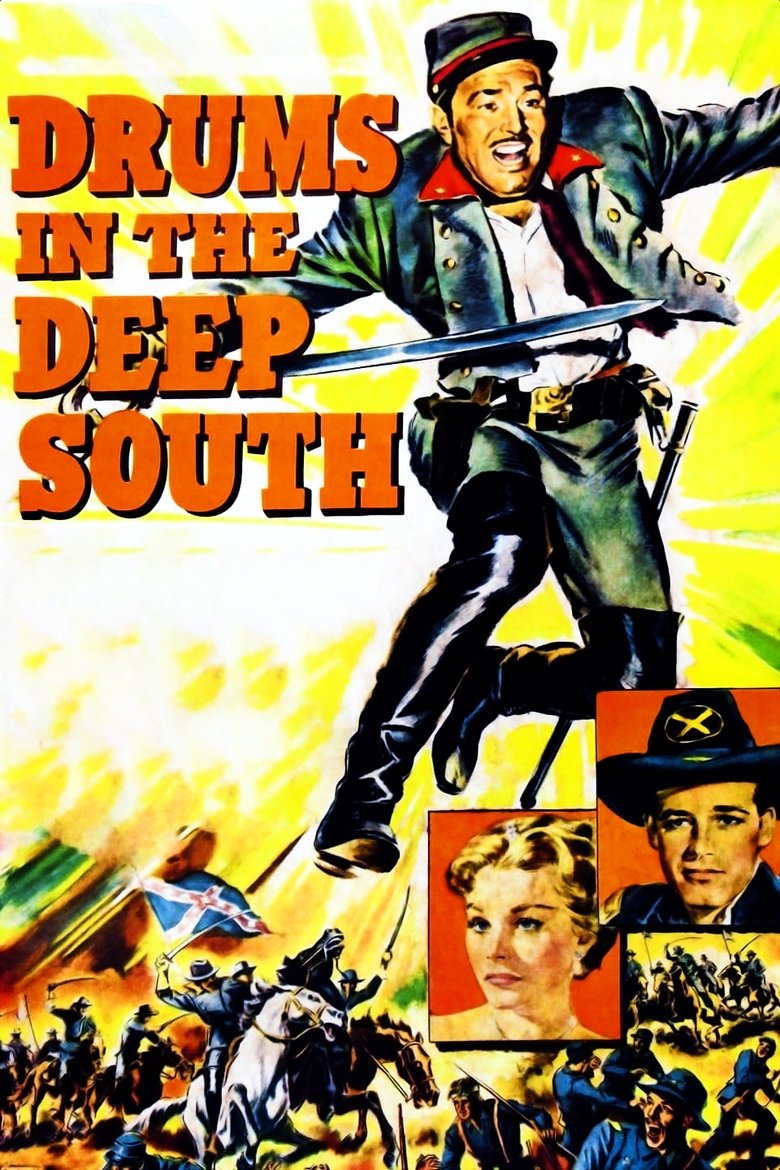
Two old friends find themselves on opposite sides during the Civil War in a desperate battle atop an impregnable mountain.
Overall Score
Limited
Category Breakdown
LGBTQ+ Representation
The film contains no discernible LGBTQ+ characters or non-heteronormative identities. The social framework remains strictly aligned with mid-century heteronormative standards.
Gender Representation
Female characters are largely relegated to the domestic sphere, serving as emotional anchors within the plantation setting. The narrative drive is propelled almost exclusively by male protagonists.
Racial & Ethnic Diversity
Black actors appear in roles portraying enslaved individuals, though representation is constrained by era-specific tropes. These characters often function as background elements to the central conflict between white male leads.
Religious & Cultural Diversity
The film explores tensions between regionalist social codes and centralized legal authority. It navigates the historical friction between competing social orders without modern critiques of Western institutions.
Disability Representation
There is no evidence of visible or invisible disability representation within the primary character arcs.
Strengths
Areas for Improvement
AI Analysis
Drums in the Deep South is a period drama that prioritizes the ideological clash between white male protagonists. While it acknowledges the systemic cruelty of slavery, the narrative remains anchored in the paternalistic tropes of the Southern melodrama genre. The film reflects the mid-century cinematic tendency to use marginalized groups as a backdrop for melodrama rather than providing them with independent agency. Gender roles are strictly hierarchical, with women confined to domestic roles. Ultimately, the work functions as a product of its era, emphasizing traditional patriarchal authority and regionalist social codes over intersectional or complex storytelling.
1957
1950

1953
2020
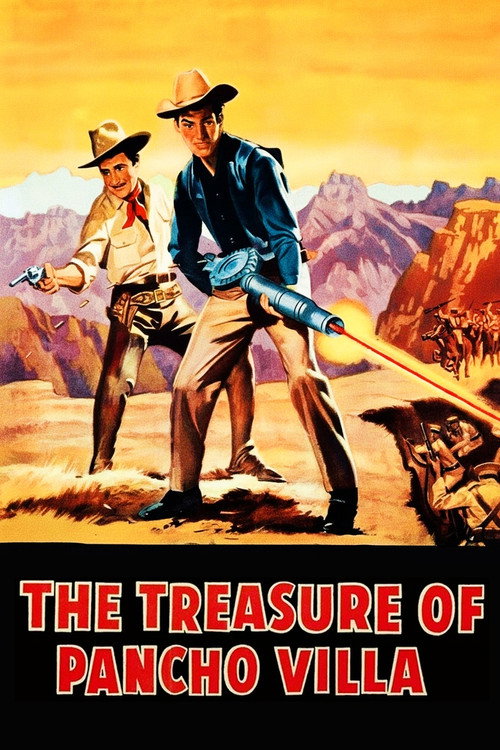
1955
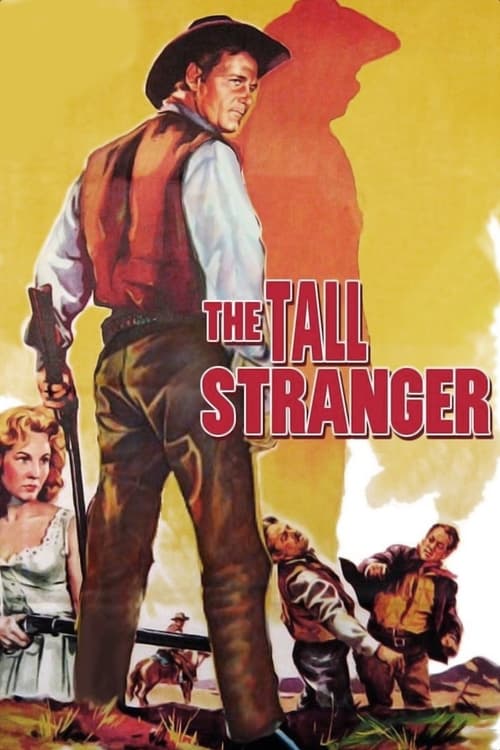
1957

1949

1966
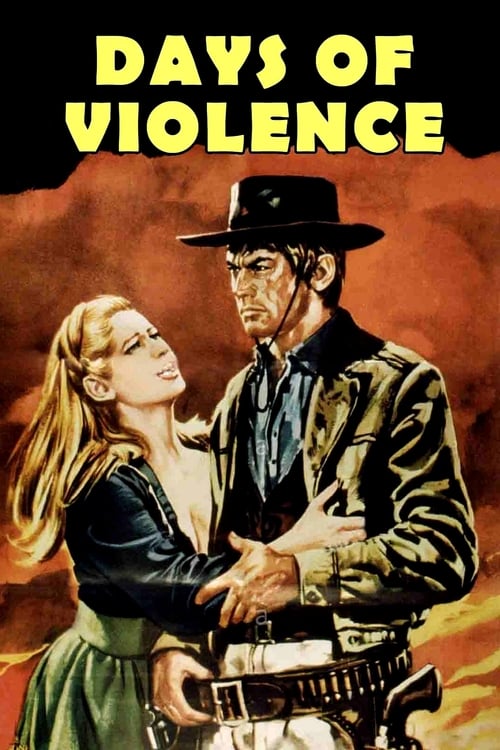
1967
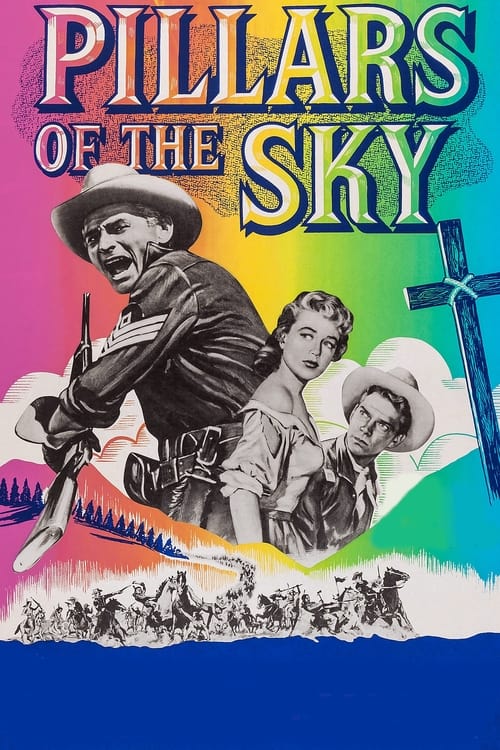
1956
1951
1952
No reviews yet. Be the first to share your thoughts on this movie!
Use the rating form above to leave a star rating and optional review.