
The Key
1997
No user ratings available yet
Representation score: 4.9 out of 10
Representation Score
Fair
2001
Director
Shinji Aoyama
Runtime
131 minutes
Average Rating
No ratings yetNew Showbiz Analysis
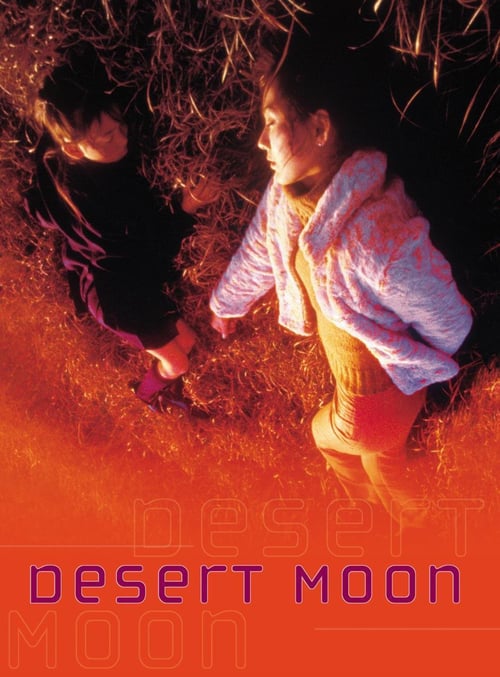
Shinji Aoyama’s *Desert Moon* is a deep exploration of human isolation and urban alienation. It dismantles the myth of the stable family unit, offering a sophisticated look at the breakdown of interpersonal connections in a modern city. However, the film prioritizes thematic depth and individualistic existentialism over demographic representation. It operates within traditional demographic boundaries, focusing on the psychological impact of social dislocation rather than identity-based politics. Ultimately, the work serves as a meditation on existential malaise. While it provides a nuanced view of systemic reintegration and social conflict, it lacks the broad diversity found in more contemporary narratives.
Category Breakdown
The film centers on the breakdown of a traditional marriage and past romantic relationships. It does not include significant narratives involving individuals with non-conforming gender identities or sexual orientations.
The story portrays the home environment as unstable and dysfunctional, challenging the idea of stable leadership. It questions the ideal domestic partnership through themes of alcoholism and emotional detachment.
The cast is culturally uniform, reflecting the socioeconomic context of early 2000s Tokyo. It stays focused on a localized experience without incorporating diverse cultural backgrounds.
Aoyama emphasizes a secular, existential worldview over religious or nationalistic themes. The film questions the effectiveness of traditional institutions in providing genuine meaning or connection.
The film explores mental health and addiction as symptoms of existential despair. It avoids overly inspirational stories but does not focus on neurodivergence or physical disabilities as primary issues.
Present on Screen
Limited or Absent
Official Synopsis
A successful businessman and his alcoholic wife attempt to piece together their unhappy lives and shattered marriage. Little do Nagai and Akira know that their precarious relationship will soon be transformed by a stranger, the enigmatic Keechie.
1997
1961

1999
1997

1997

1984
1986

2016
No reviews yet. Be the first to share your thoughts on this movie!
Use the rating form above to leave a star rating and optional review.