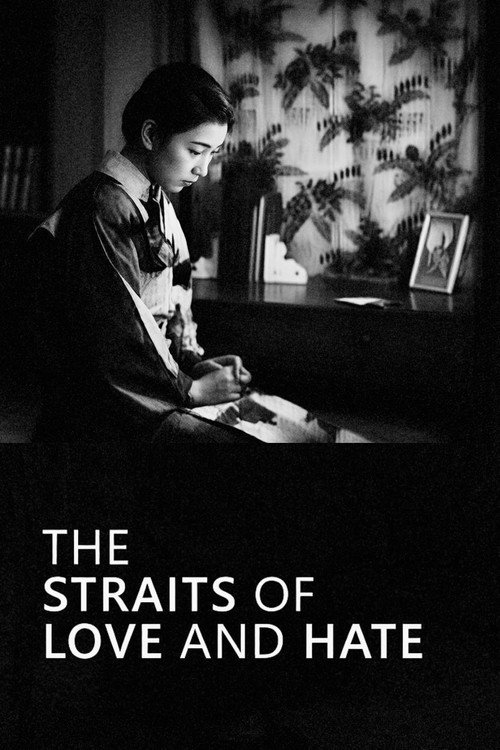
The Straits of Love and Hate
1937
No user ratings available yet
Diversity score: 6.9 out of 10

1950
Director
Kenji Mizoguchi
Runtime
85 minutes
Average Rating
No ratings yetSynopsis
A young woman takes up her new job as the servant of a noblewoman and soon discovers that underneath her facade of luxury lies great unhappiness.
Overall Score
Good
Category Breakdown
LGBTQ+ Representation
The film lacks overt evidence of non-heteronormative identities. However, Mizoguchi's focus on the hidden lives of women suggests potential for nuanced explorations of intimacy.
Gender Representation
The story prioritizes female psychological realities by centering on both a servant and a noblewoman. It disrupts traditional matriarchal tropes by portraying domestic luxury as a source of confinement.
Racial & Ethnic Diversity
As a 1950 Japanese production, the film maintains a culturally homogeneous framework. It offers authentic cultural specificity regarding the social stratification of post-war Japan.
Religious & Cultural Diversity
The narrative critiques traditional class hierarchies and the emptiness of aristocratic institutions. It prioritizes the lived experiences of the marginalized over the prestige of the ruling class.
Disability Representation
There is no information available regarding the portrayal of physical or neurodivergent disabilities.
Strengths
Areas for Improvement
AI Analysis
Kenji Mizoguchi’s work serves as a sophisticated critique of social stratification. By utilizing the perspective of a servant, the film dismantles the perceived stability of the ruling class and exposes the emotional isolation inherent in high-society structures. The film excels at centering the female experience, moving away from idealized depictions of nobility to show the systemic constraints placed upon women. This shift in agency allows for a deep dive into the friction between individual desire and societal expectations. While the film is culturally specific to post-war Japan, it lacks the multi-ethnic ensembles or overt LGBTQ+ representation found in contemporary cinema. Its value lies in its intense focus on class-based facades and domestic struggle.
1937
1951
1948

1956
1936

1952
1936
1935
1946
1947

1953
1948
No reviews yet. Be the first to share your thoughts on this movie!
Use the rating form above to leave a star rating and optional review.