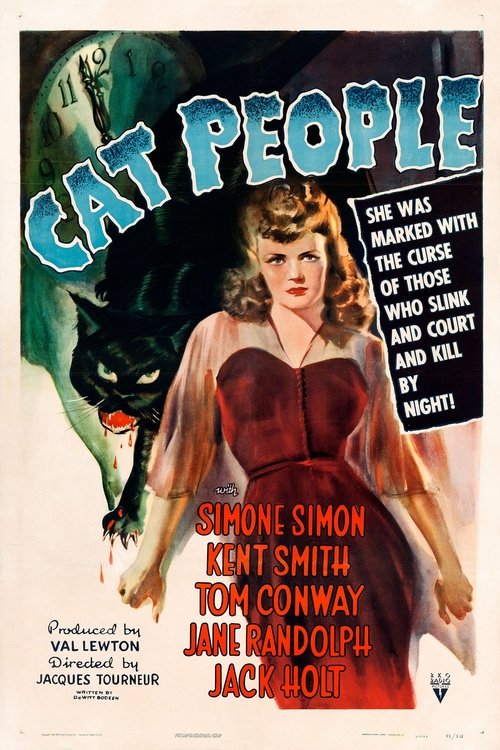
Cat People
1942
No user ratings available yet
Representation score: 5.3 out of 10
Representation Score
Fair
1943
ApprovedDirector
Jacques Tourneur
Runtime
69 minutes
Average Rating
No ratings yetNew Showbiz Analysis
Jacques Tourneur’s work stands out for its psychological depth and atmospheric tension. The film avoids the reductive moralism typical of 1940s cinema, opting instead for a sense of subjective reality and curiosity regarding the unknown. However, the film remains tied to the colonial perspectives of its era. While it treats local traditions with gravity rather than caricature, the power dynamics often position the local population as exoticized elements within a white protagonist's narrative arc. Ultimately, the film is a sophisticated departure from standard horror clichés, even if it falls short of modern standards for inclusive representation.
Category Breakdown
The film does not include any LGBTQ+ characters. Romantic tension is confined to traditional heterosexual relationships.
Caroleland actively drives intellectual and spiritual inquiries. She moves beyond passive stereotypes by serving as the central investigator of the supernatural.
The Jamaican setting showcases a diverse cast, but Black characters mainly serve as conduits for the white protagonist's journey. The narrative reflects a colonial power structure.
The film explores local folklore and voodoo with atmospheric gravity. It prioritizes psychological ambiguity over rigid Western rationalism or dogmatic moral frameworks.
The 'zombie' state is used as a metaphysical horror device. It lacks a nuanced exploration of lived experiences or actual neurodivergence.
Present on Screen
Limited or Absent
Official Synopsis
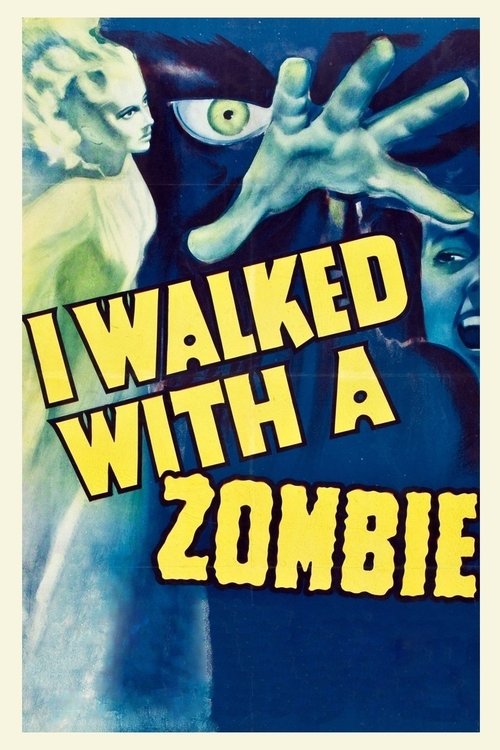
A nurse in the Caribbean turns to voodoo in hopes of curing her patient, a mindless woman whose husband she's fallen in love with.
1942
1936
1932
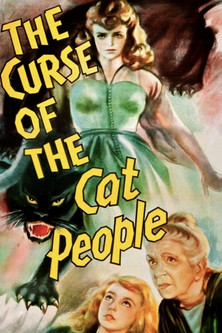
1944
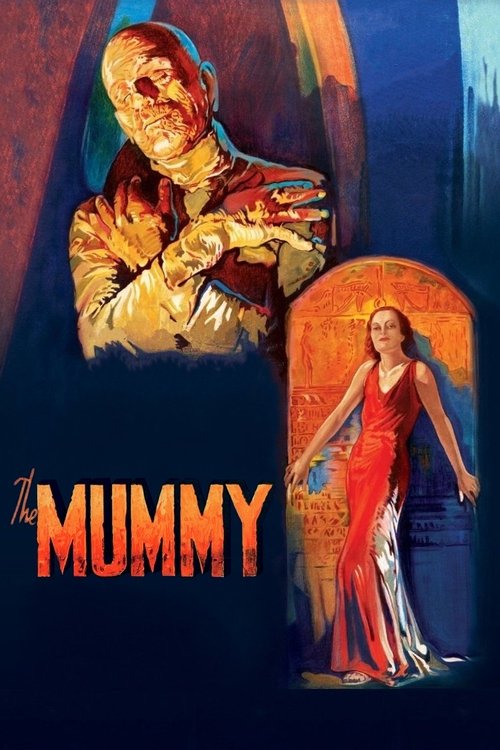
1932
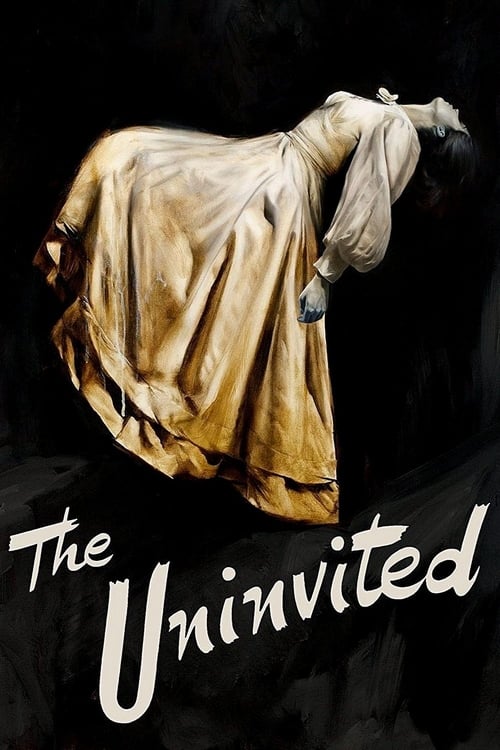
1944
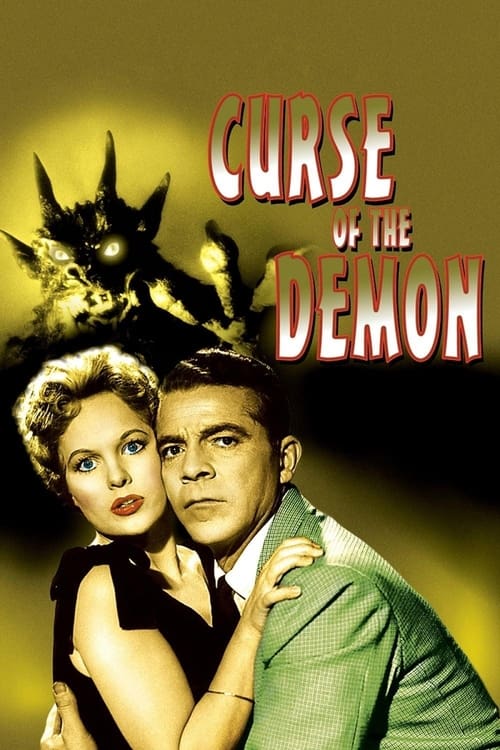
1957
1947
No reviews yet. Be the first to share your thoughts on this movie!
Use the rating form above to leave a star rating and optional review.