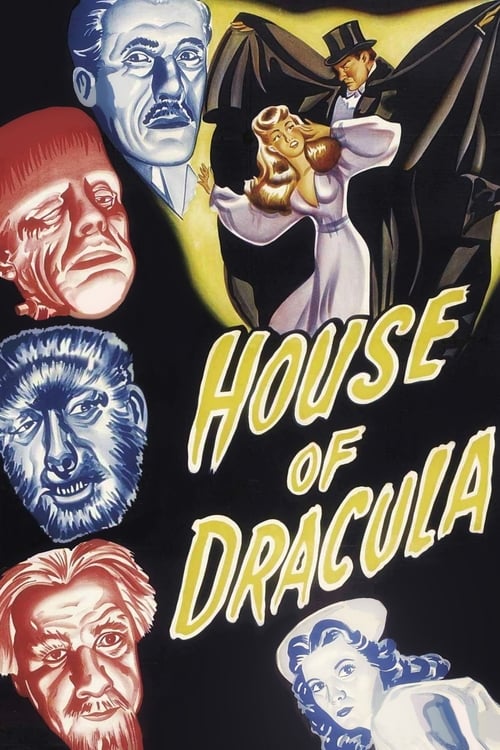
House of Dracula
1945
No user ratings available yet
Representation score: 1.8 out of 10
Representation Score
Limited
1935
ApprovedDirector
Stuart Walker
Runtime
75 minutes
Average Rating
No ratings yetNew Showbiz Analysis
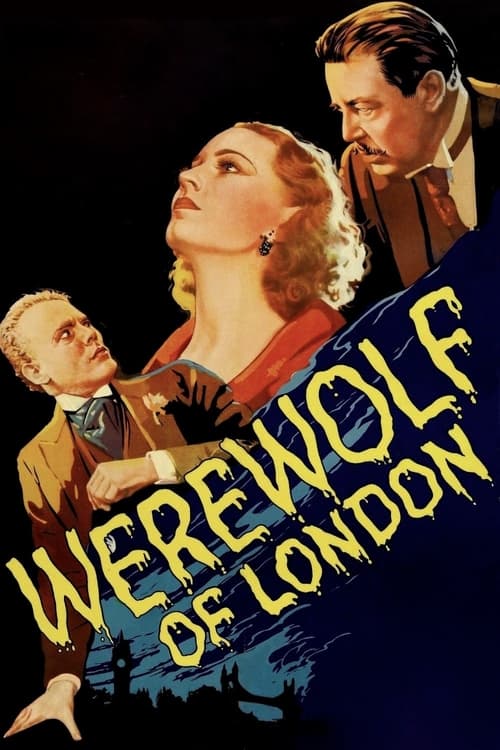
Werewolf of London is a classic 1930s horror film that emphasizes atmosphere and genre clichés over social commentary. The film relies on established hierarchies and offers little in terms of diverse perspectives or challenges to the status quo. Representation is limited by the era’s conventions, focusing on traditional relationships and male-dominated narratives. The supernatural curse is used as a plot device rather than a character study.
Category Breakdown
The film follows a traditional structure focused on heterosexual relationships. There is no indication of queer themes or non-traditional gender identities.
The narrative focuses on the male protagonist and male-led investigations. Although Gloria Saunders is a prominent figure, the film upholds the gender roles typical of the 1930s.
The production reflects the homogeneous demographics of early Hollywood. While Bela Lugosi brings a unique European ethnicity, the casting aligns with the era’s predominantly white norms.
The story adheres to traditional Western storytelling focused on maintaining social order. It lacks criticism of Western institutions, capitalism, or religious structures.
The protagonist's werewolf transformation serves as a classic horror device. It is used primarily to create fear rather than explore the experience of disability.
Present on Screen
Limited or Absent
Official Synopsis
A strange animal attack turns a botanist into a bloodthirsty monster.
1945
1936
1972
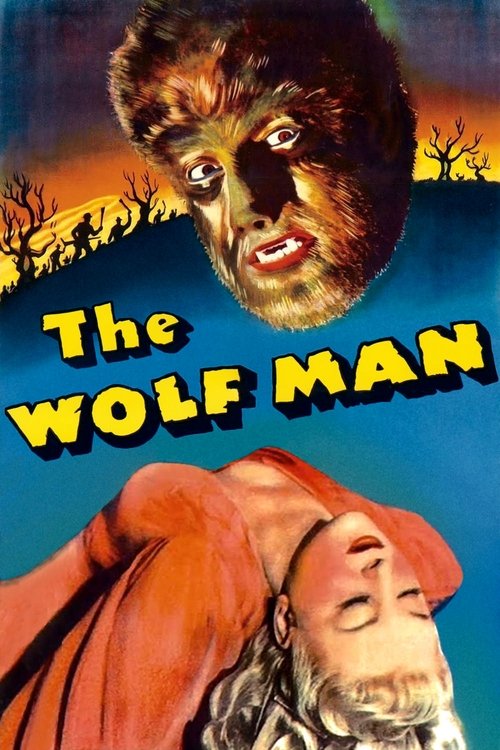
1941
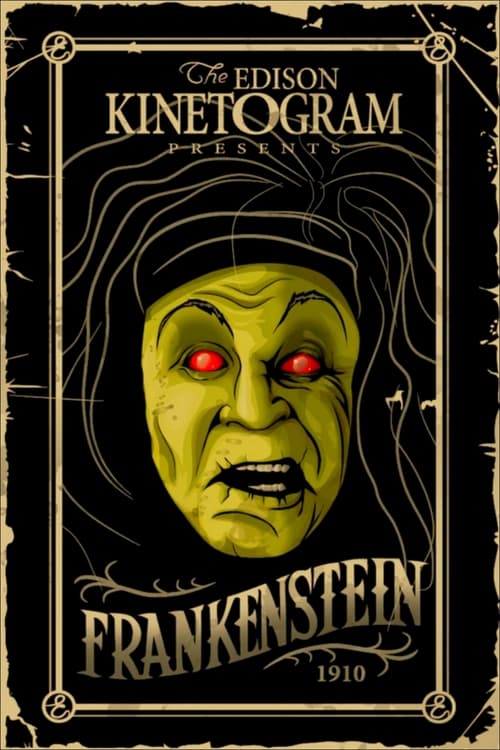
1910
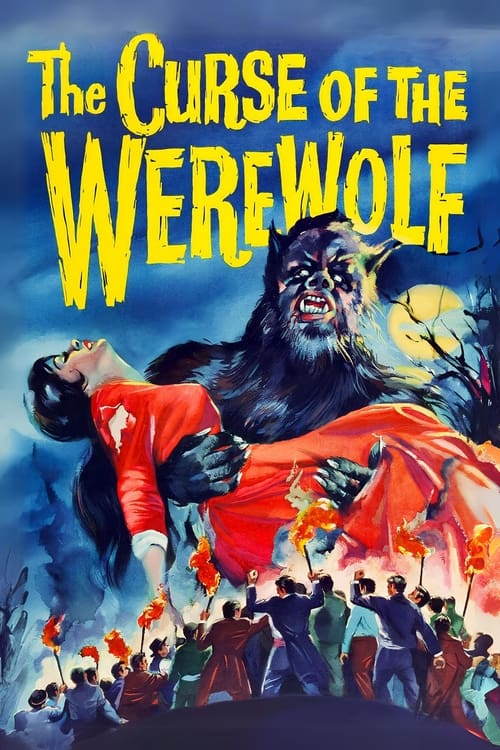
1961
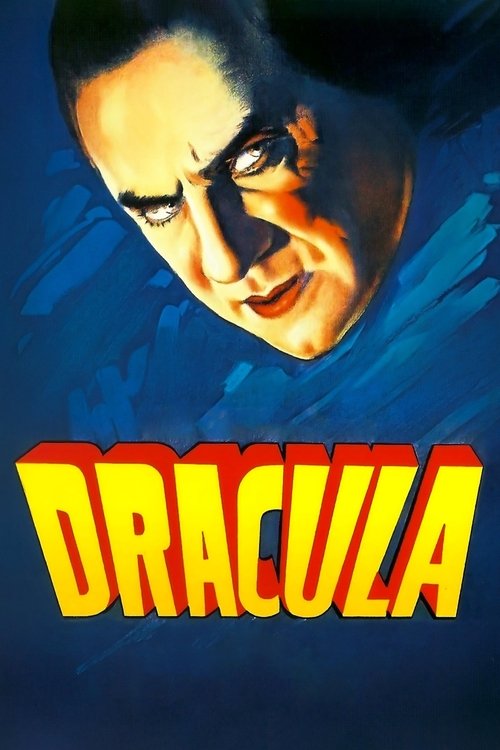
1931
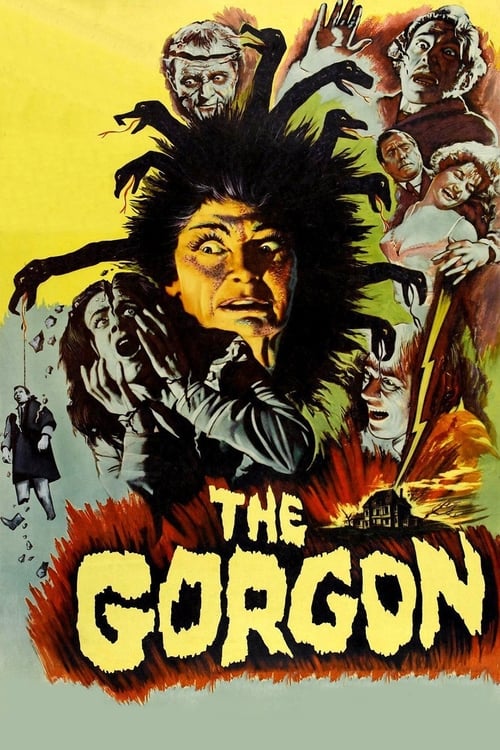
1964
No reviews yet. Be the first to share your thoughts on this movie!
Use the rating form above to leave a star rating and optional review.