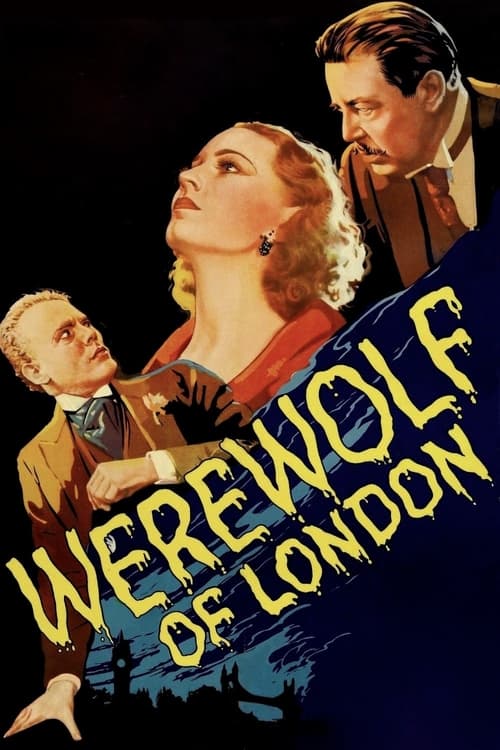
Werewolf of London
1935
No user ratings available yet
Representation score: 3.1 out of 10
Representation Score
Minimal
1945
ApprovedDirector
Erle C. Kenton
Runtime
64 minutes
Average Rating
No ratings yetNew Showbiz Analysis
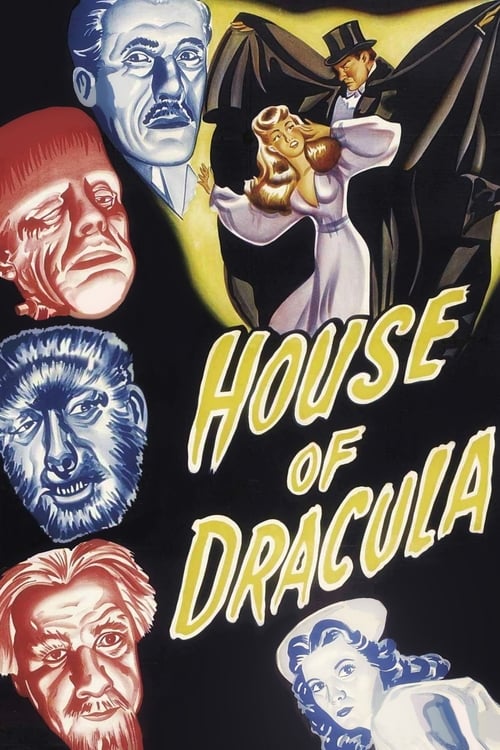
House of Dracula is a product of its time, emphasizing traditional horror themes and narrative structures over social or identity-focused storytelling. The film reinforces conventional hierarchies and lacks depth in representing diverse identities. While it introduces a character with a physical deformity, this condition is used mainly to advance the scientific plot, centering male intellect and action over the character's own experiences.
Category Breakdown
The film does not include any representations of LGBTQ+ identities or non-cisgender characters.
Female characters are often passive, serving as plot devices or biological resources. They have limited influence and are frequently overshadowed by the actions of male characters.
The cast is overwhelmingly white and European, reflecting the homogeneous demographics typical of 1940s Hollywood productions.
The narrative explores the tension between science and supernatural morality but does not critique Western institutions or religious structures.
A character with a spinal deformity serves as a catalyst for scientific experiments, which can be seen as reducing disability to a condition needing a cure rather than a lived experience.
Present on Screen
Limited or Absent
Official Synopsis
A scientist working on cures for rare afflictions, such as a bone softening agent made from molds to allow him to correct the spinal deformity of his nurse, finds the physical causes of lycanthropy in wolf-man Larry Talbot and of vampirism in Count Dracula, but himself becomes afflicted with homicidal madness while exchanging blood with Dracula.
1935
1936
1942
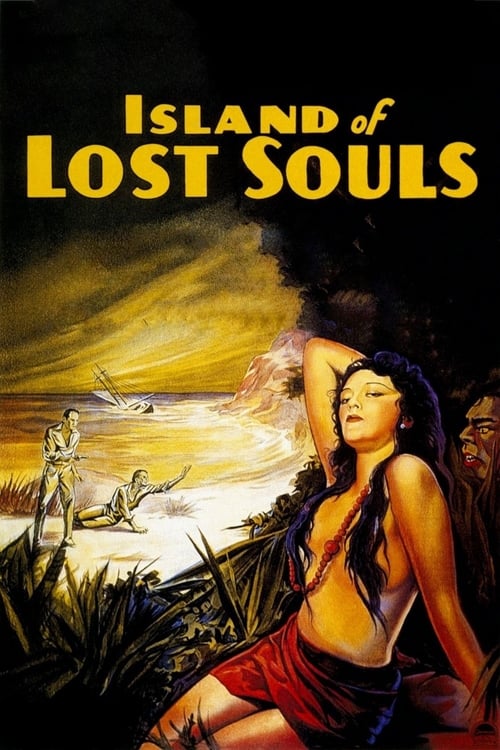
1932
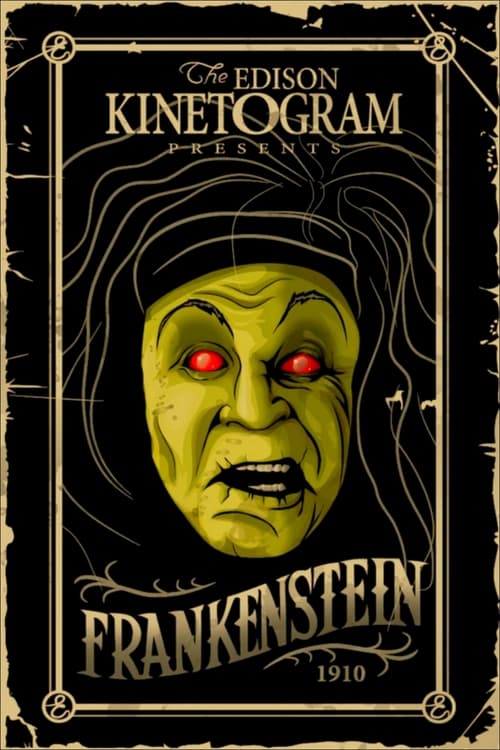
1910
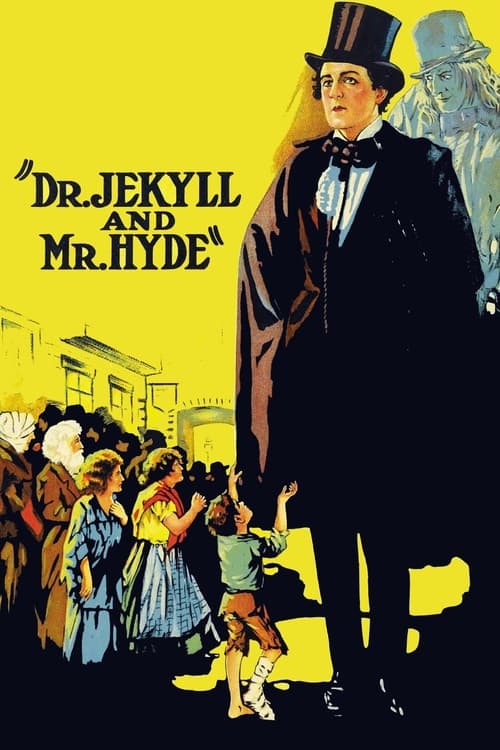
1920
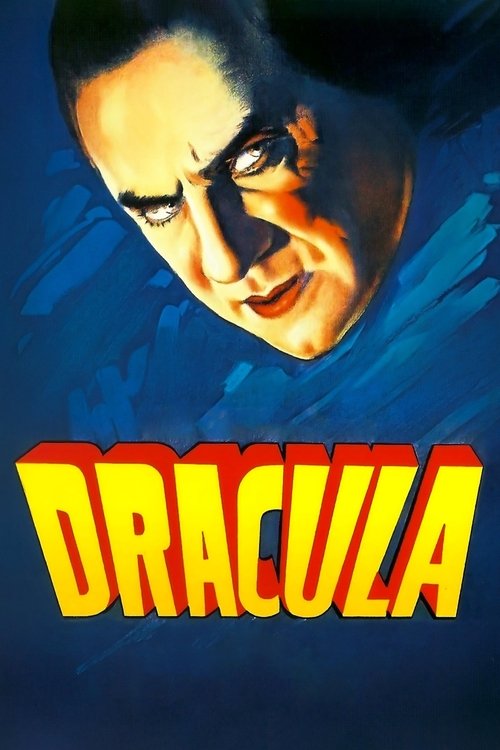
1931
1957
No reviews yet. Be the first to share your thoughts on this movie!
Use the rating form above to leave a star rating and optional review.