
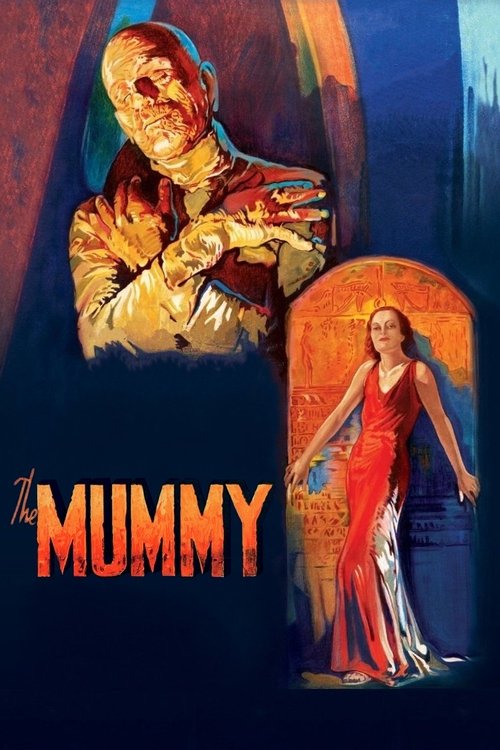
The Mummy
1959
No user ratings available yet
Representation score: 2.3 out of 10
Representation Score
Minimal
1932
Not RatedDirector
Karl Freund
Runtime
73 minutes
Average Rating
No ratings yetNew Showbiz Analysis
The Mummy (1932) is a foundational horror film that reflects the social and cinematic norms of early Hollywood. It relies on classical clichés that reinforce traditional hierarchies rather than challenging them. The film's perspective is heavily Western-centric, treating ancient Egyptian history as an exotic backdrop for Western protagonists. This reinforces colonial-era dynamics through its portrayal of archaeological discovery. While the supernatural female entity provides a unique source of influence, the film lacks complexity in representing multiple aspects of identity. It adheres to a singular, traditional view of romance and morality.
Category Breakdown
The film does not depict any queer identities or dynamics. The central romance is based on a traditionalist idea of reincarnation and soul-binding.
The spirit of Anck-su-namun drives the plot's tension, but mortal female characters are mostly defined by their relationships to men. The film upholds the gender hierarchies typical of the 1930s.
The narrative presents Egyptian history through a Western-centric perspective, typical of the time. The cast is uniform, presenting archaeology as a Western achievement.
The story follows a traditional moral framework regarding the sanctity of the dead. It portrays archaeological pursuits as normal scientific endeavors without critique.
The film does not include characters with visible or invisible disabilities as central narrative elements. The focus remains on supernatural and romantic themes.
Present on Screen
Limited or Absent
Official Synopsis
An ancient Egyptian priest named Imhotep is revived when a British archaeological expedition finds his mummy and one of the researchers accidentally reads an ancient life-giving spell. Imhotep escapes from the field site and searches for the reincarnation of the soul of his lover.
1959
1936
1931
1943

1944
1935
1972
1925
No reviews yet. Be the first to share your thoughts on this movie!
Use the rating form above to leave a star rating and optional review.