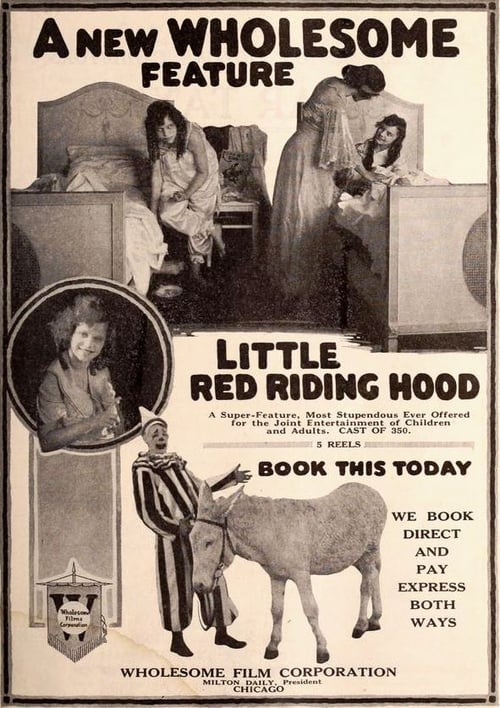
Little Red Riding Hood
1918
No user ratings available yet
Diversity score: 1.7 out of 10
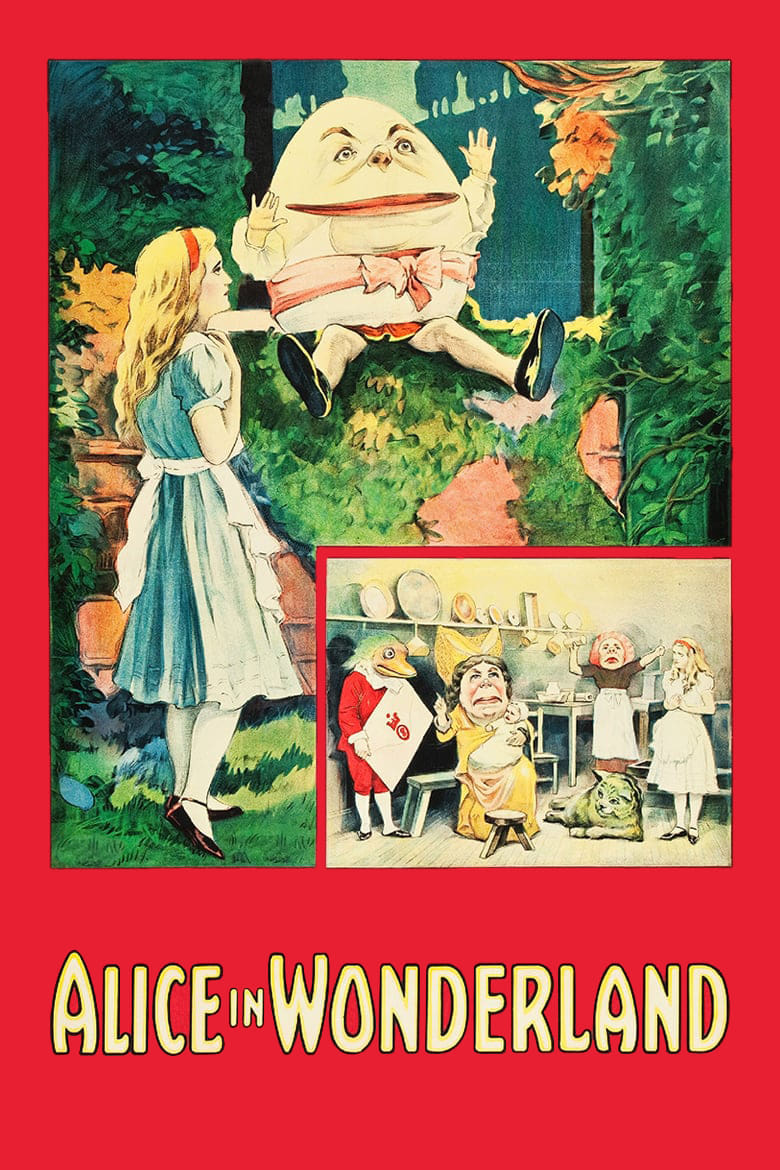
1915
NRDirector
W.W. Young
Runtime
59 minutes
Average Rating
No ratings yetSynopsis
Alice goes with her sister to a picnic and then she falls asleep and starts dreaming about a wonderland full of talking animals and walking playing cards.
Overall Score
Minimal
Category Breakdown
LGBTQ+ Representation
The film contains no depictions of non-heteronormative identities or queer subtext. The narrative focuses entirely on whimsical interactions between Alice and anthropomorphic entities.
Gender Representation
Alice serves as the central female protagonist and primary agent of discovery. However, the portrayal remains within the conventional 'innocent child' archetype of the era.
Racial & Ethnic Diversity
The cast is composed of white actors, reflecting the homogeneous casting standards of 1915. The film does not utilize diverse casting to challenge social constraints.
Religious & Cultural Diversity
The dreamscape mirrors Victorian and Edwardian sensibilities within a traditional Western framework. It embraces the established logic of the source material rather than offering systemic critiques.
Disability Representation
No visible or invisible disabilities are portrayed with agency. The fantastical nature of the characters precludes a meaningful analysis of human neurodivergence or physical disability.
Strengths
Areas for Improvement
AI Analysis
This 1915 silent short functions as a literal translation of Lewis Carroll’s nonsense literature. It prioritizes escapism through surrealist landscapes rather than intentional demographic disruption or social commentary. The production is a product of its historical moment, adhering strictly to the casting and social norms of the early 20th century. It lacks the intersectional intentionality found in modern storytelling. Ultimately, the film presents a monocultural fantasy world. It follows a traditionalist structure that reinforces the era's existing social hierarchies rather than subverting them.
1918

1959
1933
1949
1972
1966
1940
1954
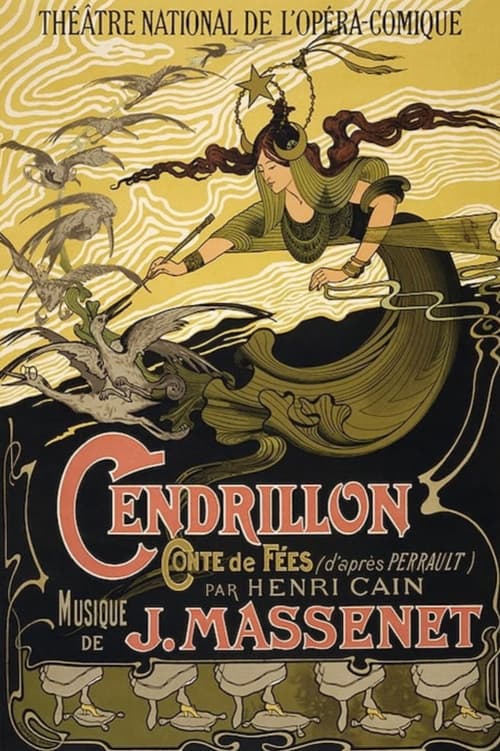
1899
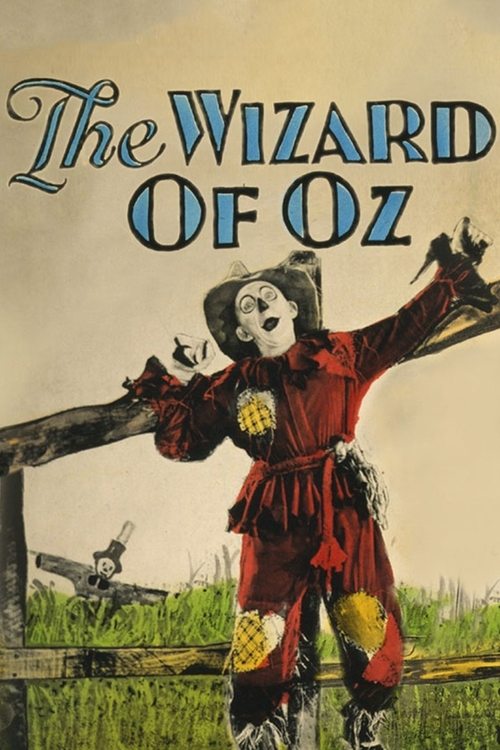
1925
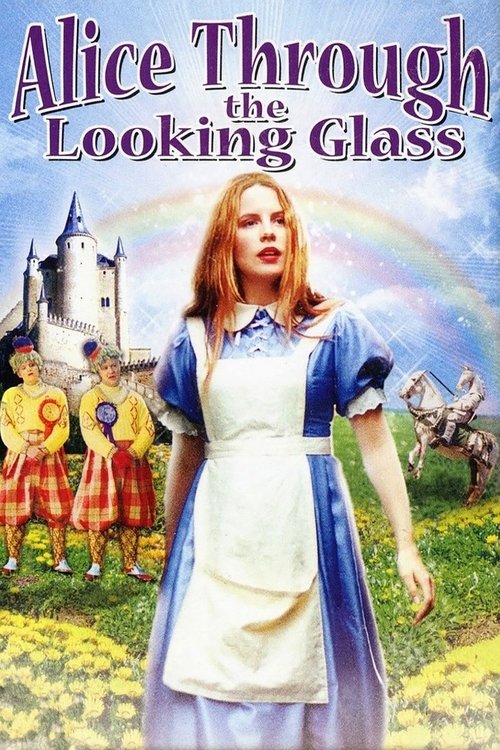
1998
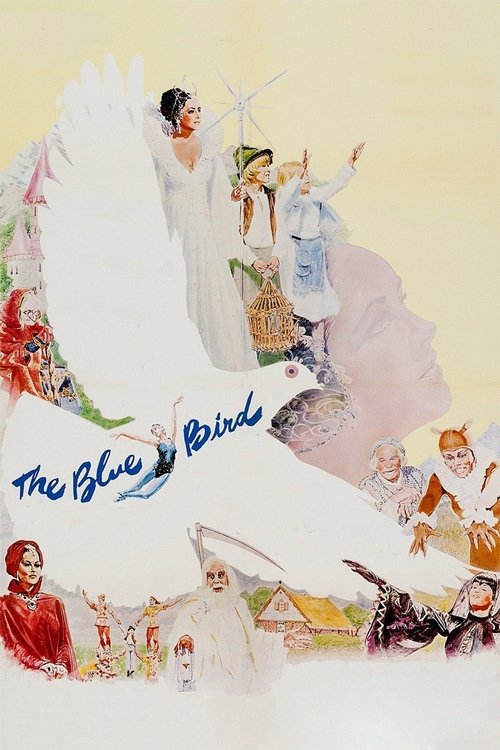
1976
No reviews yet. Be the first to share your thoughts on this movie!
Use the rating form above to leave a star rating and optional review.