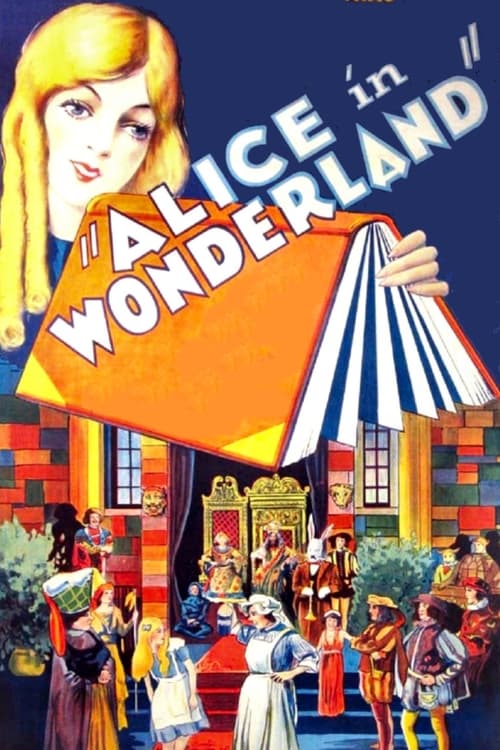
Alice in Wonderland
1931
No user ratings available yet
Representation score: 4.5 out of 10
Representation Score
Limited
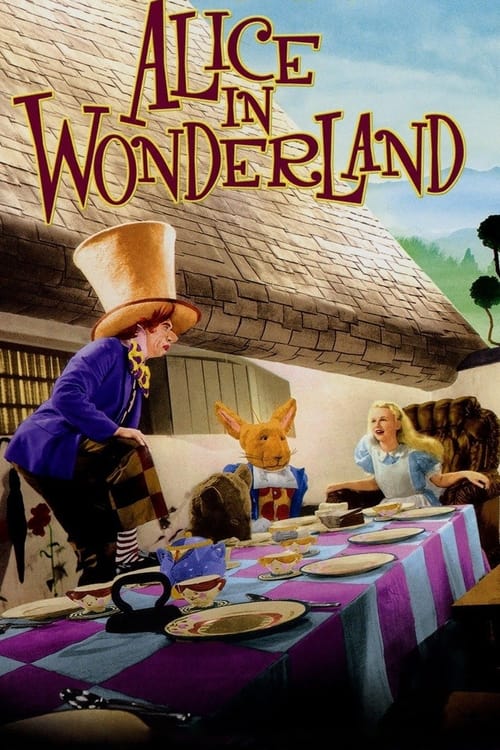
1933
NRDirector
Norman Z. McLeod
Runtime
76 minutes
Average Rating
No ratings yetNew Showbiz Analysis
This 1933 adaptation of Lewis Carroll's work prioritizes whimsical, escapist entertainment over social commentary. While it offers a moderate departure from rigid Victorian social structures through its protagonist, it remains a product of its time. The film succeeds in challenging traditional hierarchies via Alice's role and the Queen of Hearts' authoritarianism. However, these elements are driven by genre whimsy rather than a deliberate critique of gendered power. Ultimately, the film lacks intentionality regarding diverse identities. It relies on homogeneous casting and surrealist clichés that fail to provide meaningful representation for racial, cultural, or disabled communities.
Category Breakdown
The film does not depict any non-straight or non-cisgender identities or same-sex relationships. The character dynamics focus on surreal archetypes and dream logic rather than sexual orientation.
Alice serves as a key figure navigating a chaotic landscape, outmaneuvering adult figures. The Queen of Hearts provides a volatile, authoritarian presence that disrupts traditional feminine archetypes.
The production features a primarily homogeneous cast reflecting 1933 casting norms. The narrative offers no meaningful representation of diverse backgrounds or color-blind casting within its Victorian-era setting.
The film uses nonsense and moral relativism to disrupt linear logic. However, it does not explicitly critique Western institutions like religion or the family unit.
Eccentricities like the Mad Hatter's madness function as narrative clichés of absurdity. These characters act as surrealist symbols rather than authentic depictions of neurodivergence or disability.
Present on Screen
Limited or Absent
Official Synopsis
In Victorian England, a bored young girl dreams that she has entered a fantasy world called Wonderland, populated by even more fantastic characters.
1931
1951
1915
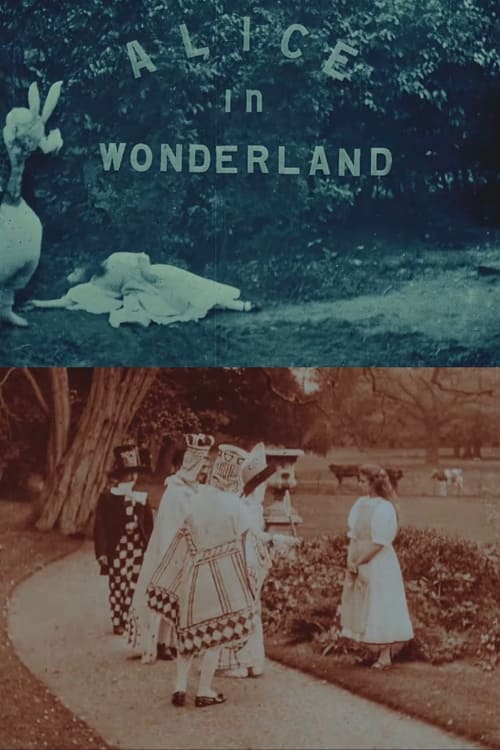
1903
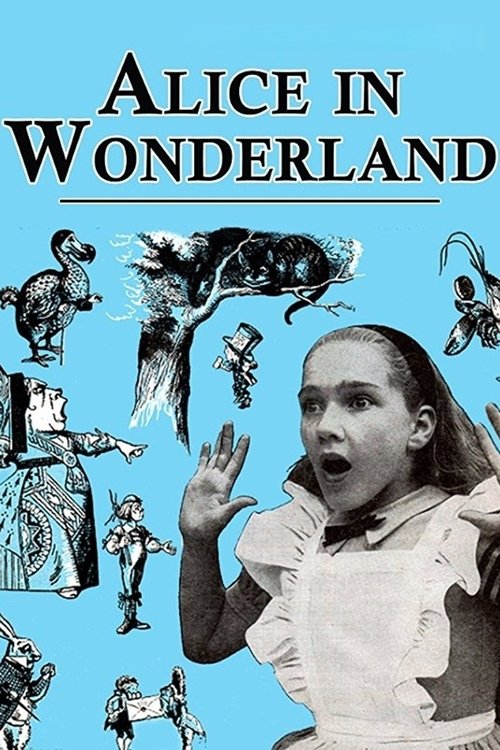
1955
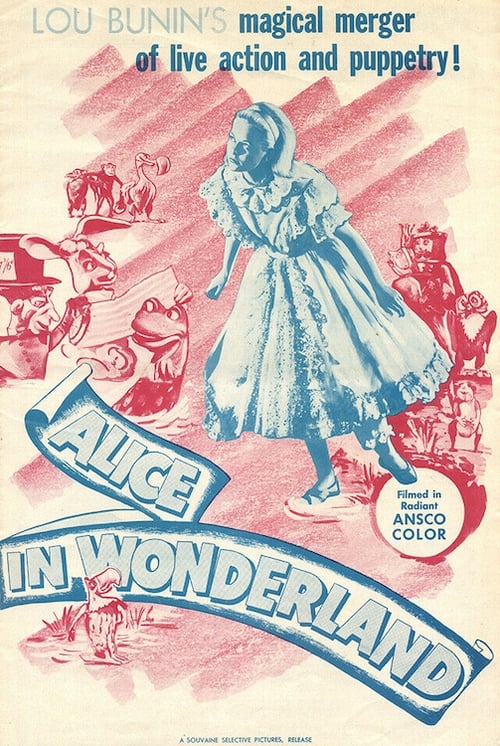
1949
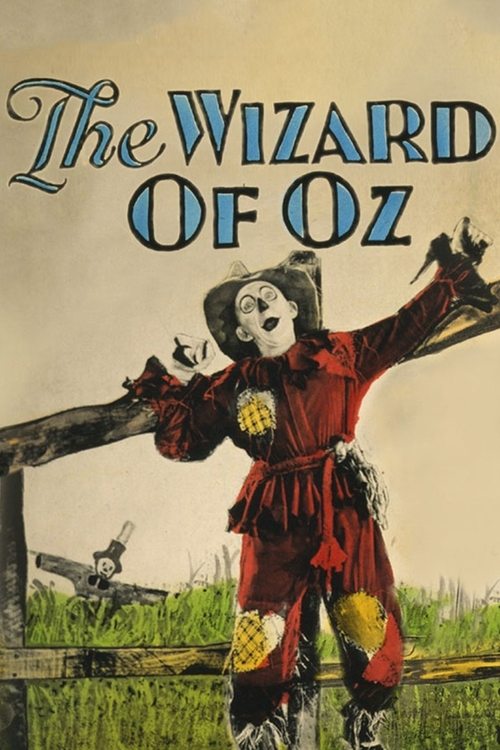
1925

1910
No reviews yet. Be the first to share your thoughts on this movie!
Use the rating form above to leave a star rating and optional review.