The Blue Bird
1976
No user ratings available yet
Representation score: 4.3 out of 10
Representation Score
Limited
1940
GDirector
Walter Lang
Runtime
88 minutes
Average Rating
No ratings yetNew Showbiz Analysis
The Blue Bird is a traditional allegorical fairy tale set in the mid-20th century. While it offers a whimsical escape, it does not aim to challenge social hierarchies or provide diverse representation. The narrative structure focuses on a universal quest for happiness, reinforcing the cultural norms of its era rather than questioning them.
Category Breakdown
The film does not include any LGBTQ+ characters or narratives. Relationships are centered around children and their anthropomorphic friends.
The film features two main characters, Mytyl and Tyltyl, who share similar roles and influence. However, it adheres to traditional gender roles typical of the 1940s.
The casting reflects a uniform European appearance from the time period. The film does not include any non-white characters, maintaining a Western-centric look.
The story follows a traditional Western moral framework, presenting a nostalgic view of rural life and family. It emphasizes conventional ideas of childhood and family.
The film does not feature any characters with physical or cognitive disabilities. The focus remains on fantastical elements rather than realistic portrayals of disability.
Present on Screen
Limited or Absent
Official Synopsis
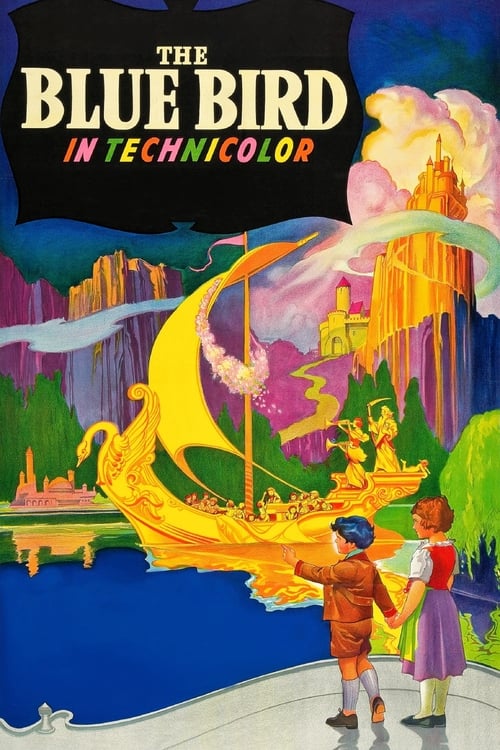
Peasant children Mytyl and Tyltyl are led on a magical quest for the fabulous Blue Bird of Happiness by the fairy Berylune. On their journey, they're accompanied by the anthropomorphized presences of a Dog, a Cat, Light, Fire, and Bread, among other entities.
No reviews yet. Be the first to share your thoughts on this movie!
Use the rating form above to leave a star rating and optional review.