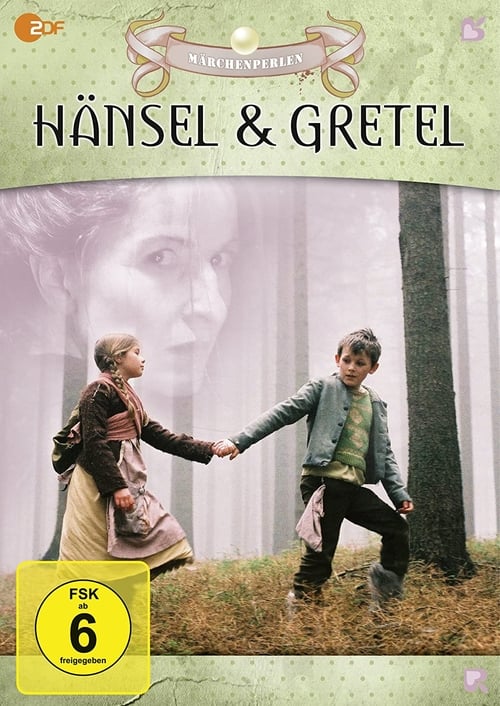
Hänsel und Gretel
2006
No user ratings available yet
Representation score: 0.4 out of 10
Representation Score
Minimal
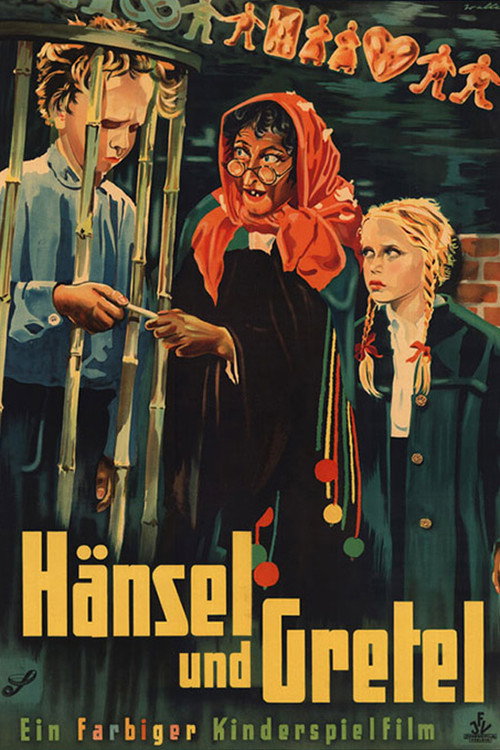
1954
Director
Walter Janssen
Runtime
52 minutes
Average Rating
No ratings yetNew Showbiz Analysis
This 1954 adaptation of the Brothers Grimm fairy tale is a faithful, traditionalist rendition of folklore. It operates within the social and cultural constraints of mid-century European television, emphasizing a classical moral framework over narrative subversion. The production lacks diverse casting and modern social critiques. Instead, it reinforces established hierarchies and traditional archetypes common to the period, focusing on the conflict between innocence and predatory evil. Ultimately, the film reflects the homogeneity of its time, adhering to conventional storytelling norms.
Category Breakdown
The story focuses solely on the relationship between Hansel and Gretel, without depicting any non-straight or non-cisgender identities. It adheres to the straight-centered standards of the time.
The film uses traditional folklore archetypes. While Gretel ultimately takes control by defeating the antagonist, the narrative still depends on classic gender clichés involving capture and threats.
This mid-century European production features a culturally uniform cast. The setting and characters reflect the demographic norms of 1950s Western Europe without any diverse representation.
The narrative upholds conventional Western moral values and the sanctity of the family unit. It lacks the moral complexity or institutional critiques seen in more contemporary storytelling.
There is no evidence of characters with visible or invisible disabilities being integrated into the plot or used as central narrative devices.
Present on Screen
Limited or Absent
Official Synopsis
A Brothers Grimm fairy tale involving siblings finding a gingerbread house in the middle of the forest owned by an evil witch who captures them and by fattening them, intends to have them for her meal.
2006
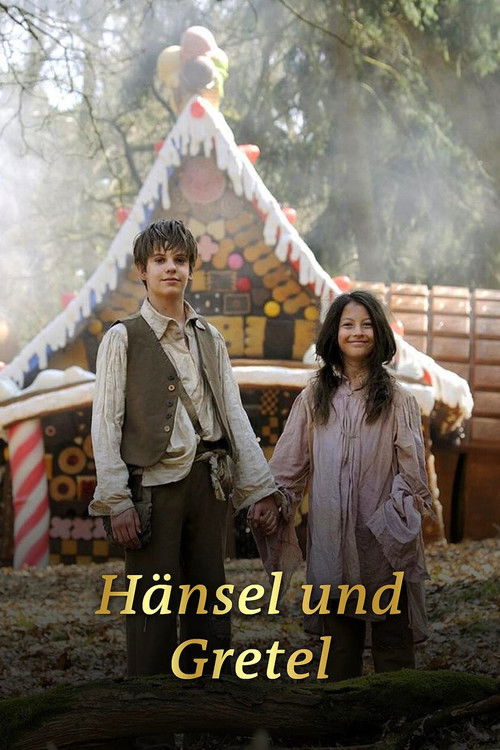
2012
1977
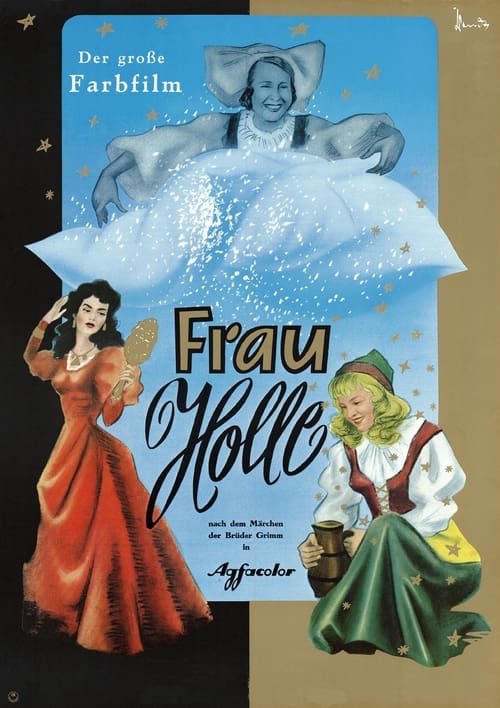
1954
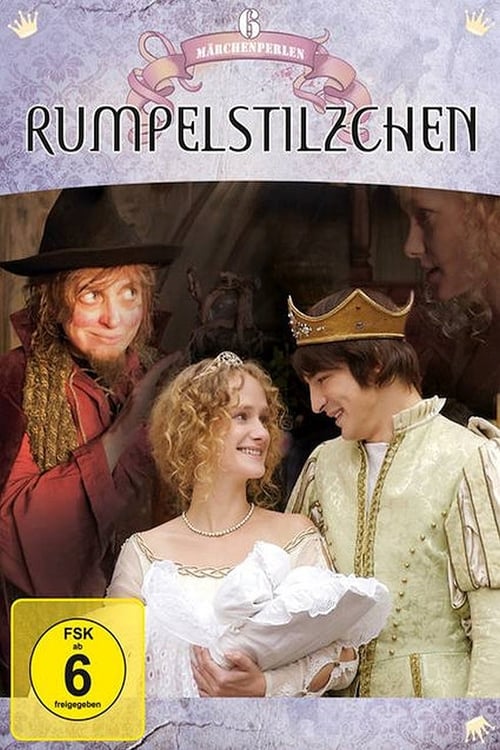
2007
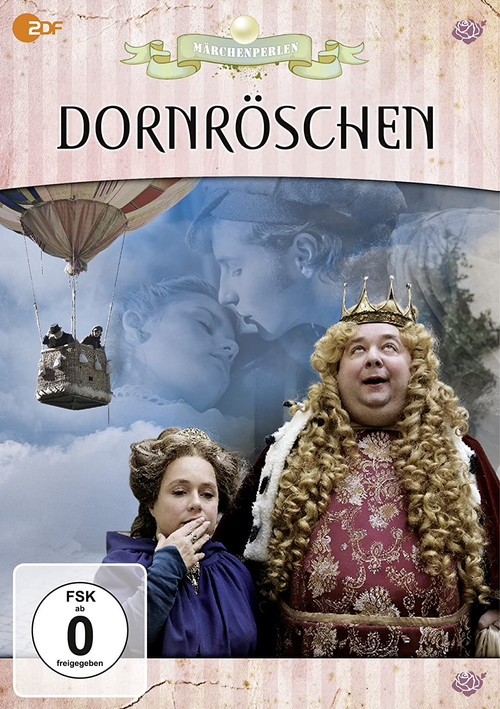
2009
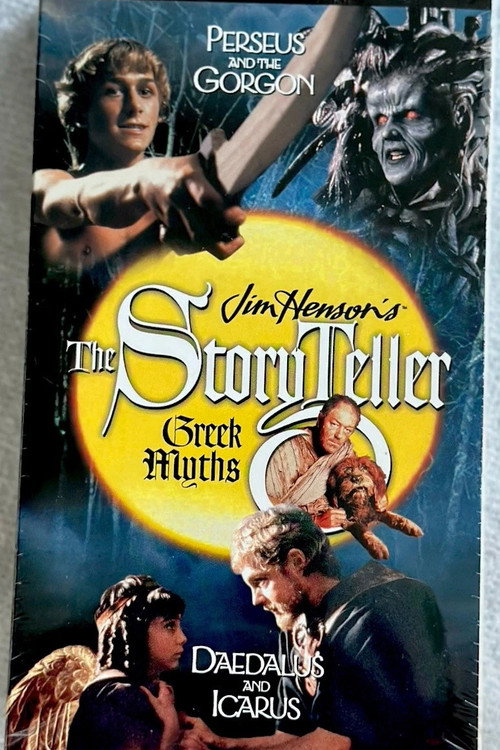
1991
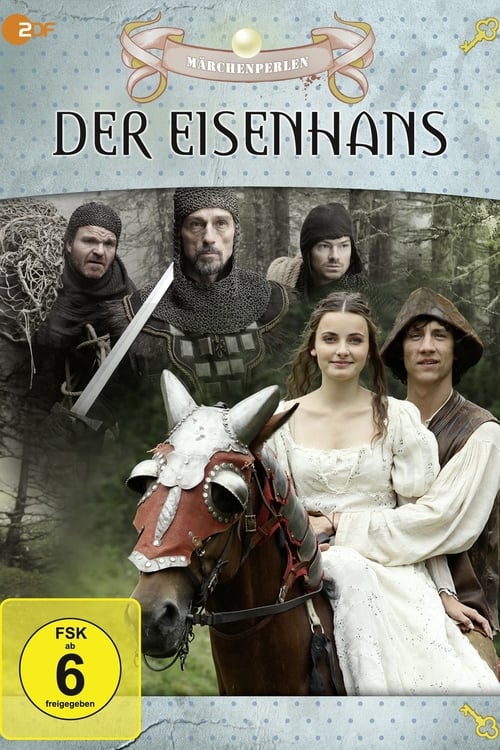
2011
No reviews yet. Be the first to share your thoughts on this movie!
Use the rating form above to leave a star rating and optional review.